
The smell of freshly shaved cedar and the cool, biting scent of industrial adhesive are the true perfumes of a visionary. When you run your thumb across the grain of a high-density hardwood or feel the specific resistance of a heavy-gauge copper wire, you are not just playing; you are conducting a symphony of material physics. Transitioning from a casual weekend tinkerer to a professional requires more than just passion; it demands a strategic pivot toward Crafting a Maker Business that respects both the art and the ledger. You have likely spent years perfecting the way a bone folder creases heavy cardstock or how a jeweler's saw navigates a tight curve. Now, it is time to take that tactile obsession and scale it into a sustainable enterprise. We are moving past the "gift for mom" phase and entering the world of production cycles, material sourcing, and structural integrity. It is about understanding that every fiber, every weld, and every stitch is a brick in your brand's foundation.
THE STUDIO KIT
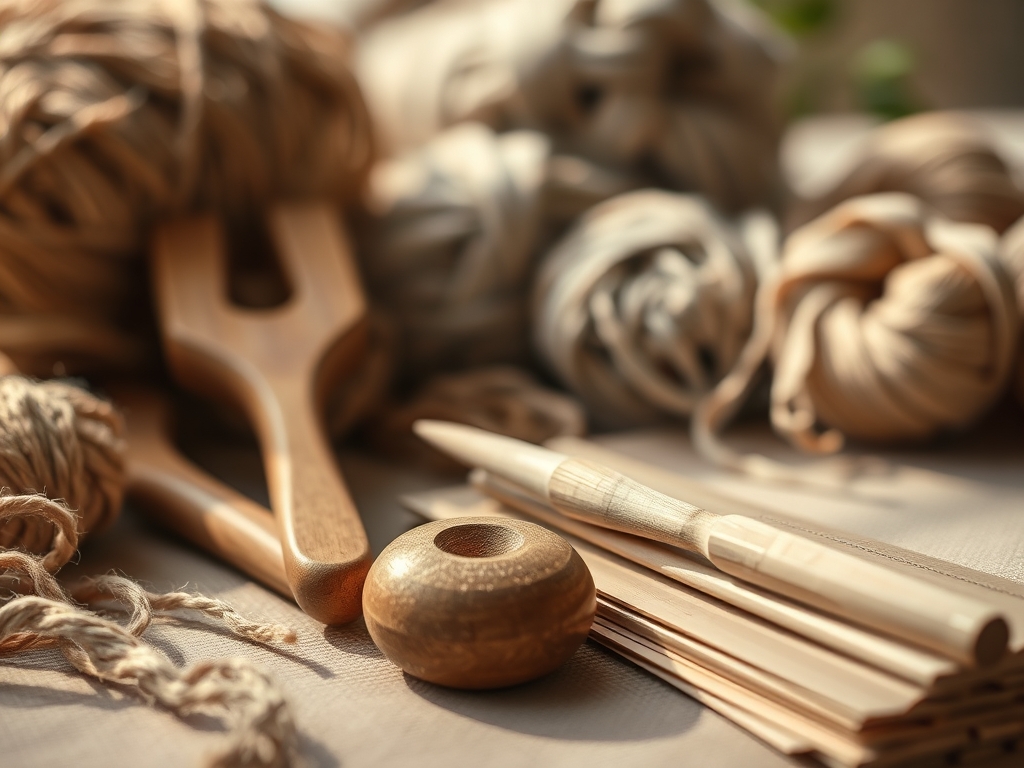
To elevate your output, your studio must be equipped with precision instruments that minimize human error. A standard ruler will no longer suffice; you need digital calipers to measure thickness down to the millimeter, ensuring that your component fitment remains consistent across a batch of fifty units. For those working with textiles or leather, a rotary cutter with a tungsten carbide blade provides the clean, shear-force edges necessary for professional assembly. If your medium is wood or resin, an oscillating tool allows for intricate detail work without compromising the structural grain of the piece.
Material selection is where your profit margins live or die. High-tensile strength fibers or FSC-certified hardwoods offer the durability that premium customers expect. However, a smart maker knows the art of Material Substitutions. If a specific exotic wood is unavailable or too costly, look for domestic species with similar Janka hardness ratings and grain densities. For metals, substituting silver-filled wire for solid sterling during the prototyping phase can save hundreds in overhead without sacrificing the tactile feedback needed to test a design's ergonomics.
THE TEMPO
The Maker's Rhythm is the heartbeat of your business. It is the calculated balance between the latent period of drying adhesives and the high-energy burst of assembly. Professional crafting is not a sprint; it is a series of timed intervals. For instance, a production run of ten ceramic vessels requires a strict timeline: four hours for throwing, twenty-four hours for a slow dry to prevent cracking, and a twelve-hour firing cycle.
Understanding the viscosity of your glues or the cure time of your finishes allows you to stack tasks. While the resin sets on one project, you should be using your awl to pre-punch holes in the leather straps for the next. This overlap ensures that your hourly rate remains high and your studio remains a site of constant kinetic energy rather than a graveyard of waiting projects.
THE CORE METHOD
1. The Blueprint Phase
Before the first cut is made, you must map the geometric constraints of your design. Use a drafting compass and a T-square to ensure perfect symmetry. A professional result starts with a technical drawing that accounts for kerf loss, which is the width of the material removed by the cutting tool.
Mastery Tip: Always account for material expansion. Wood moves with humidity, and metals expand with heat; leaving a fraction of a millimeter for "breathing" prevents future structural failure.
2. Precision Preparation
Clean your surfaces with anhydrous isopropyl alcohol to remove oils that interfere with molecular bonding. Whether you are soldering or gluing, the presence of skin oils can reduce the surface tension of your bonding agent, leading to a weak joint that will fail under stress.
Mastery Tip: Use a tack cloth to remove microscopic particulates. In finishing, even a single speck of dust can create a "fish-eye" crater in your lacquer due to disrupted surface tension.
3. Structural Assembly
Join your components using the principle of mechanical advantage. If you are creating furniture, use mortise and tenon joints; if you are making jewelry, ensure your solder flow is guided by capillary action. The goal is to make the joint stronger than the surrounding material.
Mastery Tip: When using adhesives, apply pressure using parallel jaw clamps to ensure an even glueline. This forces the adhesive into the porous structure of the substrate, creating a deep mechanical bond.
4. The Refinement Burnish
Finishing is where the amateur is separated from the professional. Use progressively finer grits of sandpaper or polishing compounds to remove tool marks. A burnishing tool can be used on leather or soft metals to compress the surface fibers, creating a high-gloss, durable edge.
Mastery Tip: Work in a "cross-hatch" pattern. By changing direction with every grit increase, you ensure that you are leveling the micro-peaks and valleys of the material surface rather than just polishing the scratches.
THE TECHNICAL LEDGER
Maintaining your tools is non-negotiable for Crafting a Maker Business. A dull blade requires more force, which increases the risk of "chatter" marks or, worse, physical injury. Regularly hone your chisels and oil your pliers to prevent oxidation.
Material Variations:
- Sustainable: Bamboo fibers or recycled PET plastics offer high ply strength with a low carbon footprint.
- Premium: Grade 5 Titanium or vegetable-tanned bridle leather provides superior longevity and patina.
- Recycled: Reclaimed barn wood offers unique aesthetic character but requires careful inspection for hidden metal fasteners using a magnet.
The Correction:
- The Over-Sand: If you sand through a veneer, use a matching wood grain filler mixed with sawdust to create a "invisible" patch.
- The Solder Slump: If solder pools incorrectly, use a desoldering braid to wick away the excess via capillary action.
- The Grain Tear-Out: When a drill bit tears the exit hole, use a "sacrificial" backing board to support the fibers during the exit.
Studio Organization: Store your materials in a climate-controlled environment. High humidity can cause delamination in plywood and blooming on leather. Use vertical racks for lumber to prevent bowing and airtight bins for moisture-sensitive polymers.
THE FINAL REVEAL
Look at that! The finished piece is a testament to your mastery of physics and flair. When you hold a professionally crafted item, you can feel the ergonomic balance and the weight of quality. The edges are crisp, the joints are seamless, and the finish is glass-smooth. This is no longer just a hobby; it is a high-end product ready for the marketplace. You have successfully navigated the transition from "making things" to Crafting a Maker Business. Your studio is now a powerhouse of precision, and your brand is built on the rock-solid foundation of technical excellence.
STUDIO QUESTIONS
How do I price my handmade items fairly?
Calculate your total material costs plus your hourly shop rate. Add a thirty percent markup for overhead and profit. This ensures your Crafting a Maker Business remains solvent while accounting for tool wear and studio utilities.
What is the best way to ship fragile items?
Use the "box-within-a-box" method. Suspend the item in a primary container with biodegradable packing peanuts, then place that container inside a larger box with at least two inches of shock-absorbing clearance on all sides.
How can I speed up my production without losing quality?
Implement jigs and fixtures. By creating custom guides for your saw or drill press, you eliminate the need for repetitive measuring, ensuring every piece has the exact same dimensional accuracy while cutting labor time in half.
Which material is best for outdoor durability?
Choose materials with low hygroscopic properties, such as marine-grade stainless steel or teak. These substances resist water absorption and UV degradation, ensuring your products maintain their structural integrity even when exposed to harsh environmental elements.