
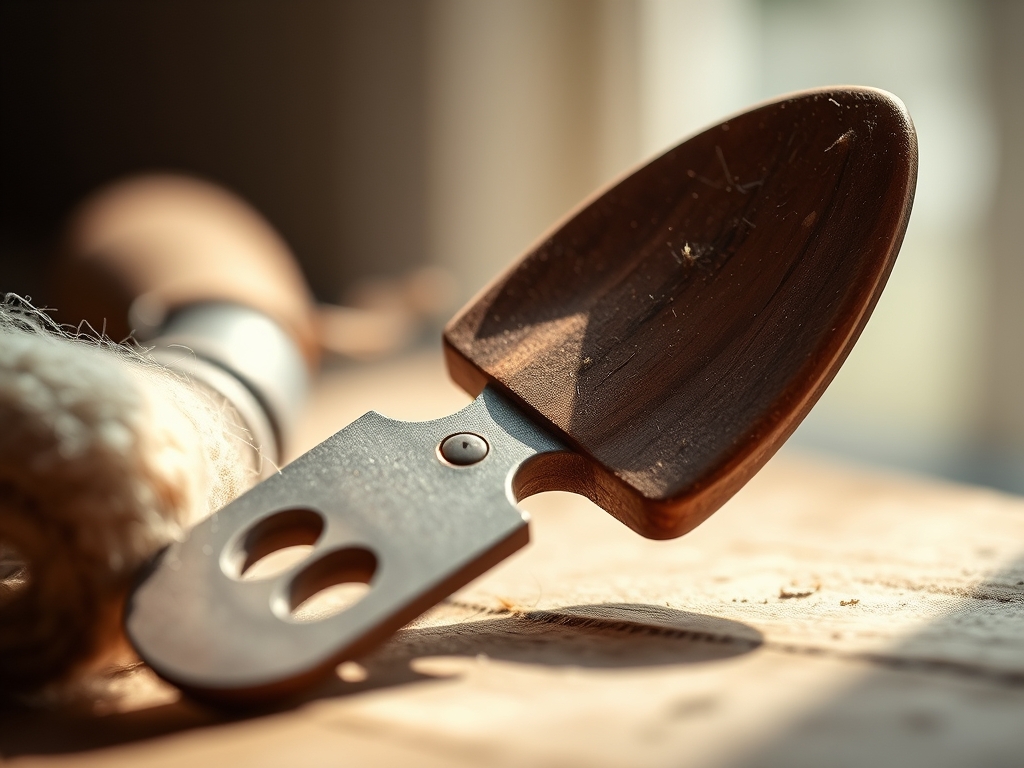
Imagine the scent of cold carbon steel meeting raw linseed oil. It is that sharp, metallic tang mixed with the earthy, golden perfume of curing wood. When you grip a handle that you shaped yourself, the physics of the lever becomes an extension of your own forearm. We are not just making objects today; we are crafting high performance gear. Mastering the art of Handmade Garden Tools requires more than a steady hand. It demands an understanding of grain direction and the tensile strength of forged metals. You can feel the potential energy stored in a well seasoned piece of ash wood. It vibrates with a specific frequency that tells you it is ready to be transformed. We are diving deep into the workshop to build tools that do not just survive the season but thrive under the pressure of compacted soil and stubborn roots. Grab your safety glasses and clear the workbench. We are about to turn raw materials into heirloom instruments of growth.
THE STUDIO KIT
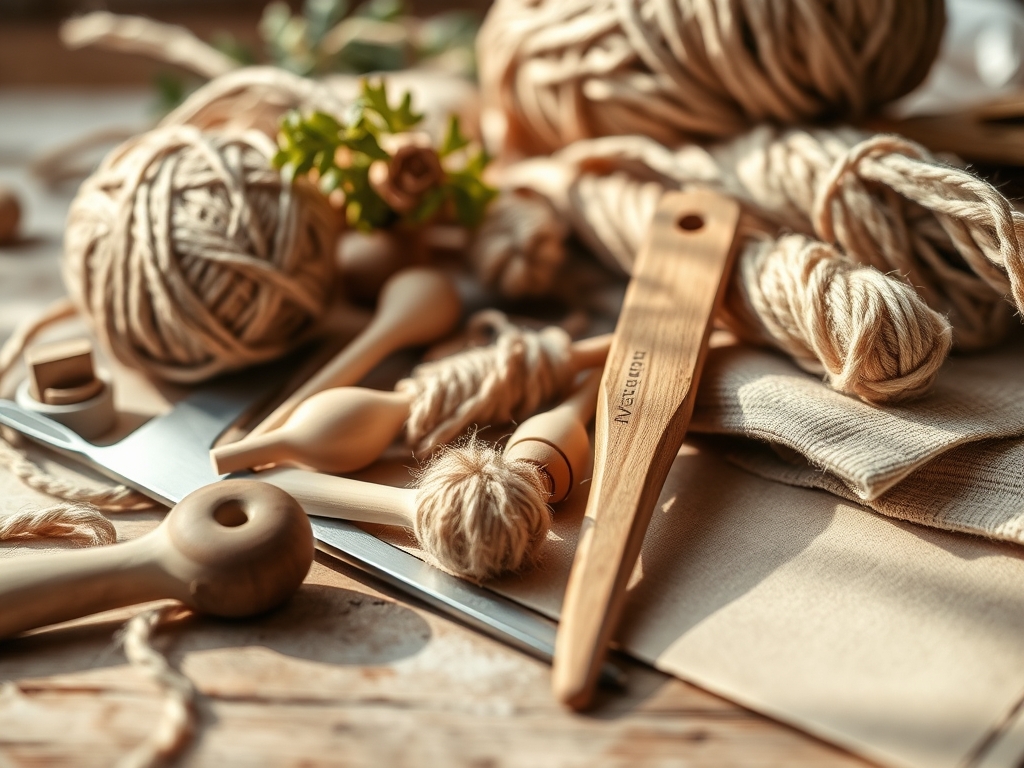
To build tools that last a century, your kit must prioritize material integrity over aesthetic fluff. We start with high carbon steel flats or reclaimed leaf springs for the business end of our trowels and weeders. You will need a digital caliper to measure the thickness of your metal stock; precision is non-negotiable when you are calculating the moment of inertia for a tool handle. For the wood, we look for straight grain ash or hickory because of their incredible shock resistance and high modulus of rupture. You will also need a ball-peen hammer, a bench vise, and an angle grinder with various grit flap discs. For the finishing touches, keep a burnishing tool and a tin of beeswax nearby.
Material Substitutions: If you cannot source high carbon steel, look for old, broken shovels at estate sales. The tempered steel is already hardened. If ash wood is unavailable, white oak offers excellent rot resistance due to its closed cellular structure (tyloses), though it is significantly heavier and harder to carve.
THE TEMPO
The "Maker's Rhythm" is a sequence of tension and release. You cannot rush the molecular bonding of a finish or the cooling of a heat-treated blade.
- The Forging Phase (3 Hours): This is high intensity. It involves heavy grinding, shaping, and quenching. Your heart rate will be up as you fight the resistance of the metal.
- The Shaping Phase (2 Hours): Here, the tempo slows. You are using spokeshaves and rasps to contour the wood to your specific grip. It is rhythmic and tactile.
- The Curing Phase (24 to 48 Hours): This is the silent work. Oils must penetrate the wood fibers through capillary action, and adhesives must achieve full cross-linking.
Respecting these intervals ensures that the internal stresses of the materials are neutralized before the tool ever touches the dirt.
THE CORE METHOD
1. The Ergonomic Handle Carve
Start by mapping the grain of your wood blank. You want the grain lines to run parallel to the length of the tool to maximize longitudinal strength. Use a drawknife to remove bulk material, then refine the shape with a four-in-hand rasp. Focus on the "palm swell" to ensure the tool fits the natural arc of your hand.
Mastery Tip: Always carve with the grain to prevent "tear-out." This happens when the blade dives too deep into the wood fibers, compromising the structural integrity of the handle. If the wood feels fuzzy, you are going against the grain.
2. Tempering the Blade
After grinding your steel into a sharp taper, you must heat treat it. Heat the metal until it reaches a "cherry red" glow (roughly 1,500 degrees Fahrenheit) and quench it in oil. This creates martensite, a crystal structure that is incredibly hard but brittle. You must then "temper" it in a kitchen oven at 400 degrees to restore some elasticity.
Mastery Tip: The quenching process relies on thermal conductivity. Using oil instead of water slows the cooling process just enough to prevent the steel from cracking under the sudden internal stress.
3. The Tang and Ferrule Fit
The connection point between metal and wood is the most common failure site. Drill a pilot hole slightly smaller than the tool's tang. Use a copper ferrule (a metal ring) to encircle the end of the wood handle. This prevents the wood from splitting when you drive the metal tang into the socket.
Mastery Tip: Use a two-part epoxy with a long set time. This allows the adhesive to seep into the porous end grain of the wood, creating a mechanical bond that resists the shear forces of digging.
4. Beveling the Edge
A garden tool is not a kitchen knife; it needs a robust primary bevel. Use a mill file to create a 45-degree angle on the cutting edge. This angle provides enough "meat" behind the edge to prevent chipping when you hit a rock, while still being sharp enough to slice through root systems.
Mastery Tip: Observe the surface tension of water on your newly ground edge. If it beads perfectly, your surface is smooth enough to resist the oxidative process of rust.
5. Burnishing and Sealing
Do not just sand your wood; burnish it. Take a smooth piece of hardwood or a bone folder and rub the surface of your handle vigorously. This compresses the surface fibers, making the wood denser and more water-resistant. Follow this with a heavy coat of boiled linseed oil.
Mastery Tip: The oil moves through the wood via capillary action. Heating the oil slightly decreases its viscosity, allowing it to penetrate deeper into the cellular structure for long term protection.
6. The Leather Hanging Strap
Punch a hole through the end of the handle using a power drill and a brad-point bit. Thread a strip of top-grain latigo leather through the hole. Leather has high tensile strength and will not snap under the weight of the tool when stored on a hook.
Mastery Tip: Treat the leather with a tallow-based conditioner. This keeps the fibers supple and prevents the leather from becoming a desiccant that pulls moisture out of the wooden handle.
THE TECHNICAL LEDGER
Maintenance & Longevity: After every use, wipe the blade with a rag soaked in mineral oil. This creates a hydrophobic barrier that prevents oxygen from reacting with the iron in the steel. Store your tools in a bucket of dry sand mixed with a small amount of motor oil to keep the edges honed.
Material Variations: For a premium version, use 304 Stainless Steel for the blade; it offers superior corrosion resistance but is much harder to sharpen. For a sustainable route, use reclaimed pallet wood (specifically the oak runners) and old circular saw blades for the metal components.
The Correction:
- Loose Head: If the blade wobbles, do not just add glue. Drive a small hardwood wedge into the end of the handle to expand the wood against the ferrule.
- Rust Spots: Use a scouring pad and white vinegar to dissolve iron oxide without pitting the base metal.
- Cracked Handle: If a crack appears along the grain, use a syringe to inject wood glue into the void, then clamp it with high pressure to restore the cross-sectional strength.
Studio Organization: Store these tools in a low-humidity environment. Use a pegboard system where tools are hung vertically. This prevents moisture from pooling at the junction of the handle and the blade, which is the primary cause of rot.
THE FINAL REVEAL
There is a profound sense of power in holding a tool that you engineered from the ground up. These are not the flimsy, stamped-metal trowels you find at a big-box store. These are heavy, balanced, and surgically sharp instruments. When you drive your handmade weeder into the earth, you will feel the difference in the vibrational feedback. The ash handle absorbs the shock while the tempered steel slices through the soil like it is water. Your garden will feel the difference too. Precision tools lead to precision care. You have just leveled up from a hobbyist to a maker.
STUDIO QUESTIONS
What is the best wood for tool handles?
Ash is the gold standard due to its high shock resistance and straight grain. It possesses a unique cellular structure that allows it to flex without breaking under high tensile loads, making it more durable than maple or pine.
How do I prevent my handmade tools from rusting?
Keep the steel surface polished and coated in a non-drying oil. Rust occurs when iron, oxygen, and moisture create a chemical reaction. A thin layer of camellia oil or mineral oil creates a permanent oxygen barrier.
Why use a copper ferrule on the handle?
The ferrule acts as a compression ring. It prevents the wood fibers from spreading and splitting when the metal tang is driven in. It also protects the most vulnerable part of the handle from impact and moisture.
Can I use recycled steel for garden tools?
Yes, but ensure it is high carbon steel. Old saw blades or leaf springs are ideal because they have been heat-treated. Mild steel is too soft and will not hold an edge against abrasive soil.
How often should I oil the wooden handles?
Apply a fresh coat of linseed oil whenever the wood feels "thirsty" or looks dull. This maintains the hydrophobic properties of the wood and prevents the fibers from becoming brittle and prone to splintering over time.