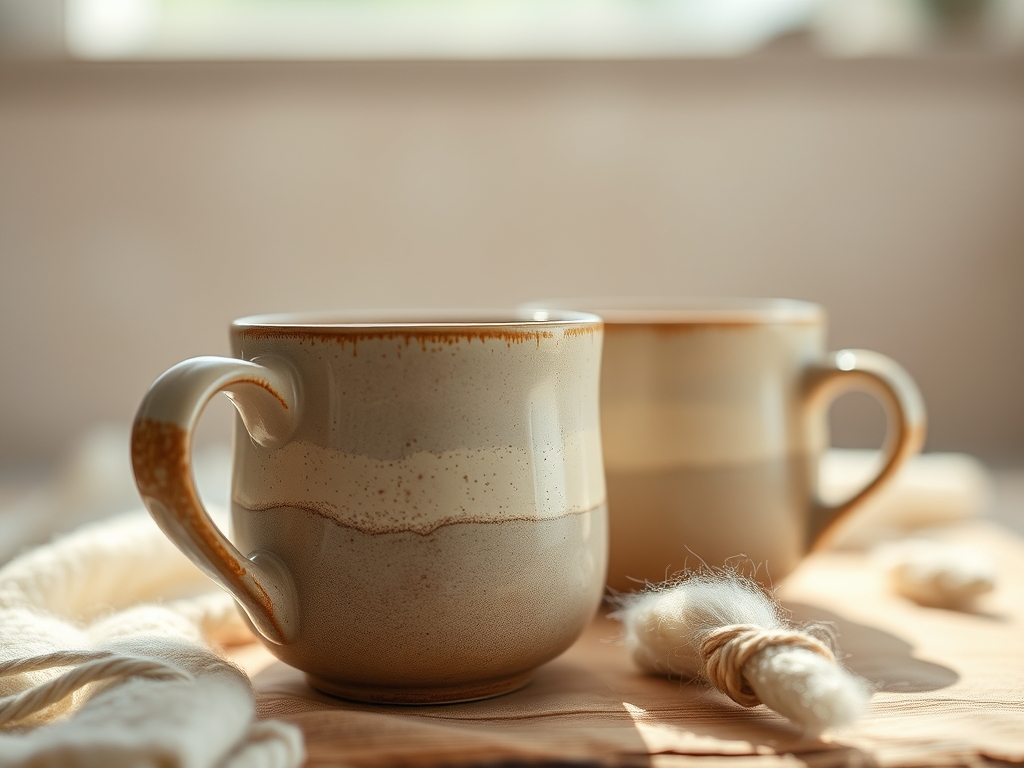
Imagine the scent of crushed rosemary hitting the air as you press your thumbs into a bundle of dried stems. There is a specific friction there; the way the brittle leaves resist before snapping is pure physics in action. We are diving deep into the world of Crafting for Wellness today. This is not just about making pretty things. It is about the tactile feedback of organic matter and the rhythmic regulation of your nervous system through precise, manual labor.
When you engage in Crafting for Wellness, you are essentially hacking your brain's reward circuitry. We are going to use high-quality botanicals and professional-grade tools to build a bridge between raw nature and refined health. Grab your favorite mug of tea and clear your workbench. We are about to manipulate fibers, oils, and resins with the precision of a laboratory tech and the heart of an artist.
THE STUDIO KIT
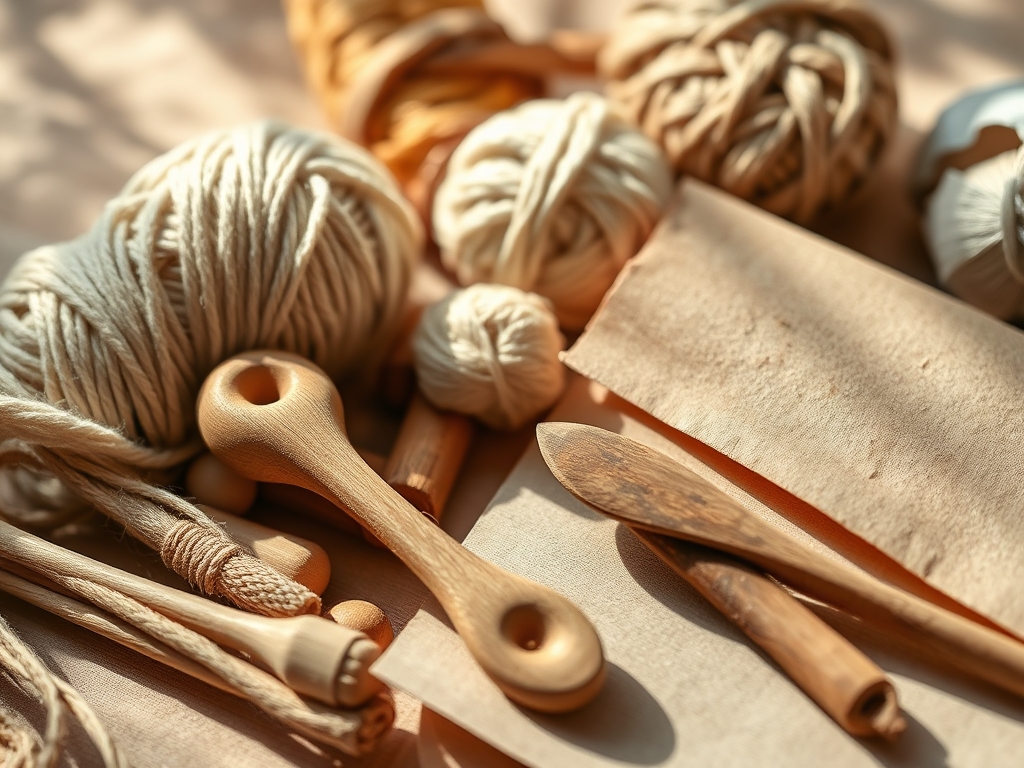
To execute these projects with professional results, your kit must go beyond basic kitchen shears. You need tools that respect the tensile strength of plant fibers. Start with a pair of high-carbon steel floral snips for clean vascular cuts that do not crush the stems. You will also need a bone folder for crisp creases in herbal sachets and a caliper to measure the thickness of your beeswax wraps.
For the structural elements, keep a rotary cutter and a self-healing mat nearby to ensure your textiles are cut on the true grain. If you are working with resins or heavy wood-based herbs like cinnamon sticks, a small jeweler's saw offers the control needed for delicate decorative notches.
Material Substitutions: If you cannot find organic linen for your eye pillows, look for hemp; it has a higher fiber density and superior antimicrobial properties. Instead of beeswax, soy wax flakes can be used, though they have a lower melting point and less structural rigidity.
THE TEMPO
The "Maker's Rhythm" is a state of flow where your heartbeat syncs with the repetitive motions of the craft. For these seven projects, the tempo varies. Expect a "Fast Build" phase of 15 minutes for simple infusions, followed by a "Curing Phase" that can last weeks.
The total active time for a full wellness suite is approximately four hours. However, the true mastery lies in the waiting. You are working with porous materials that require time for molecular diffusion. Do not rush the drying of your smudge sticks or the setting of your salves. Respect the clock, and the chemistry will reward you with potency and longevity.
THE CORE METHOD
1. The Weighted Herbal Eye Pillow
Begin by cutting two 4×9 inch rectangles of heavy-weight silk or linen. Use your bone folder to press the seams flat before sewing three sides. Fill the pouch with a mixture of organic flaxseeds and dried lavender buds. The flaxseeds provide a gentle, uniform pressure that triggers the vagus nerve.
Mastery Tip: The science here is proprioceptive input. The weight must be precisely calibrated to 200 grams to provide enough pressure to stimulate the ocular-cardiac reflex without compressing the globe of the eye.
2. Botanical Resin Wall Hangings
Using a high-viscosity epoxy or a natural bio-resin, arrange pressed botanicals like ferns and calendula inside a brass bezel. Use an oscillating tool with a fine sanding head to smooth any sharp edges once the resin has fully cured.
Mastery Tip: Prevent bubbles by understanding surface tension. Pass a butane torch quickly over the surface to pop micro-bubbles that rise as the resin undergoes its exothermic reaction.
3. Beeswax and Eucalyptus Salve
Melt your beeswax pellets in a double boiler until they reach a liquid state. Stir in infused olive oil using a glass stirring rod to prevent contamination. Pour the mixture into amber glass jars to protect the volatile oils from UV degradation.
Mastery Tip: Use a digital thermometer to ensure the oil never exceeds 140 degrees Fahrenheit. High heat can cause the molecular breakdown of the beneficial compounds in the eucalyptus.
4. Hand-Bound Botanical Journal
Fold sheets of recycled 80lb paper into signatures. Use an awl to punch holes through the spine and the herbal-dyed canvas cover. Thread a waxed linen cord through the holes using a Coptic stitch.
Mastery Tip: Pay attention to the grain direction of the paper. Folding against the grain causes the fibers to fracture, leading to a weak spine and a messy aesthetic.
5. Pressed Herb Tallow Candles
Render high-quality tallow and mix it with a small amount of stearic acid for hardness. Press dried flat-leaf herbs against the inside of a glass vessel before pouring the wax. Use a wick centering tool to ensure an even burn.
Mastery Tip: The capillary action of the wick is dependent on the density of the wax. If your tallow is too soft, the wick will drown; the stearic acid increases the melting point for a cleaner flame.
6. Lavender and Cedar Smudge Bundles
Gather fresh stalks and align them so the base ends are flush. Use a heavy gauge cotton thread to wrap the bundle tightly, starting from the base and moving to the tip in a spiral pattern.
Mastery Tip: As the plants dry, they lose volume. Wrap them 20 percent tighter than you think necessary to account for the moisture loss and subsequent shrinkage of the plant cells.
7. Infused Culinary Vinegar
Place dried hibiscus and peppercorns into a sterilized glass bottle. Pour in apple cider vinegar, ensuring all solids are fully submerged. Seal with a non-reactive lid.
Mastery Tip: This is a lesson in osmosis. The acetic acid in the vinegar pulls the water-soluble vitamins and pigments out of the hibiscus, creating a nutrient-dense tonic through passive diffusion.
THE TECHNICAL LEDGER
Maintenance & Longevity: To keep your herbal creations potent, store them in a cool, dark environment. Salves should be used within six months to prevent the oils from going rancid. Keep journals away from high humidity to prevent the hygroscopic paper from warping.
Material Variations: For a premium experience, swap cotton thread for silk in your smudge bundles. If you want a more sustainable option, use upcycled glass jars for your salves, ensuring they are boiled for 10 minutes to reach full sterilization.
The Correction:
- Cloudy Resin: This usually happens due to high humidity. Fix it by using a dehumidifier in your workspace or lightly polishing the surface with a high-grit sandpaper and buffing compound.
- Leaking Sachets: If your eye pillow is leaking seeds, your stitch length was too wide. Rip the seam and re-sew using a 2.0mm setting for maximum security.
- Sinking Candle Wicks: If the center of your candle caves in, it is due to rapid cooling. Use a heat gun to melt the top layer and "top off" the cavity with a bit more wax.
Studio Organization: Store your botanicals in airtight Mylar bags or dark glass jars. Label everything with the harvest date and the botanical name. Organize your tools by "Action Type" (Cutting, Piercing, Measuring) to maintain an ergonomic workflow.
THE FINAL REVEAL
Look at that spread! You have successfully navigated the intersection of biology and craftsmanship. Your studio should now smell like a high-end apothecary, and your shelves are stocked with tools for your own mental and physical restoration. These projects represent a commitment to slow living and technical excellence. You didn't just make a sachet; you engineered a relaxation tool. You didn't just pour a candle; you mastered thermal dynamics. Now, take a deep breath, enjoy the fruits of your labor, and let the wellness begin.
STUDIO QUESTIONS
What is the best fabric for herbal sachets?
Linen or tightly woven cotton is ideal. These natural fibers are breathable and allow the volatile oils from the herbs to diffuse into the air while being strong enough to contain fine botanical dust.
How do I prevent mold in my smudge bundles?
Ensure there is adequate airflow during the drying process. Hang bundles in a dark, dry spot with a fan nearby. High moisture content trapped in the center of a tight bundle is the primary cause of mold.
Can I use fresh herbs in oil infusions?
It is risky due to the water content. Water introduces the threat of bacterial growth. It is technically safer to use dried herbs to ensure the shelf stability and safety of your final wellness product.
Why does my beeswax wrap feel sticky?
This is usually caused by an excess of pine resin in your mixture. To fix it, add more beeswax to the ratio and re-melt the wrap in the oven to redistribute the molecular coating evenly.
How do I clean my floral snips?
Wipe the blades with isopropyl alcohol after every use. This removes sticky resins and prevents the transfer of pathogens between different plant materials, maintaining the integrity of your tools and your projects.