Imagine the sensation of raw, unspun wool sliding between your fingers or the crisp, rhythmic snap of a rotary cutter slicing through heavy linen. We are not just decorating here; we are engineering an environment that absorbs the chaos of the outside world. Crafting a Cozy Home requires a deep understanding of how textures interact with light and human touch. When you select a textile, you are choosing a specific molecular arrangement that dictates how heat is trapped and how sound waves are dampened within your living space. We are going to dive into the physics of softness, from the high tensile strength of braided cotton to the delicate, porous nature of brushed mohair. This is about more than just aesthetics. It is about creating a sensory sanctuary where the structural integrity of every handmade piece reflects the warmth of your family. Grab your coffee and let us get into the grit of the soft stuff because we have some serious tactile magic to manufacture today.
THE STUDIO KIT
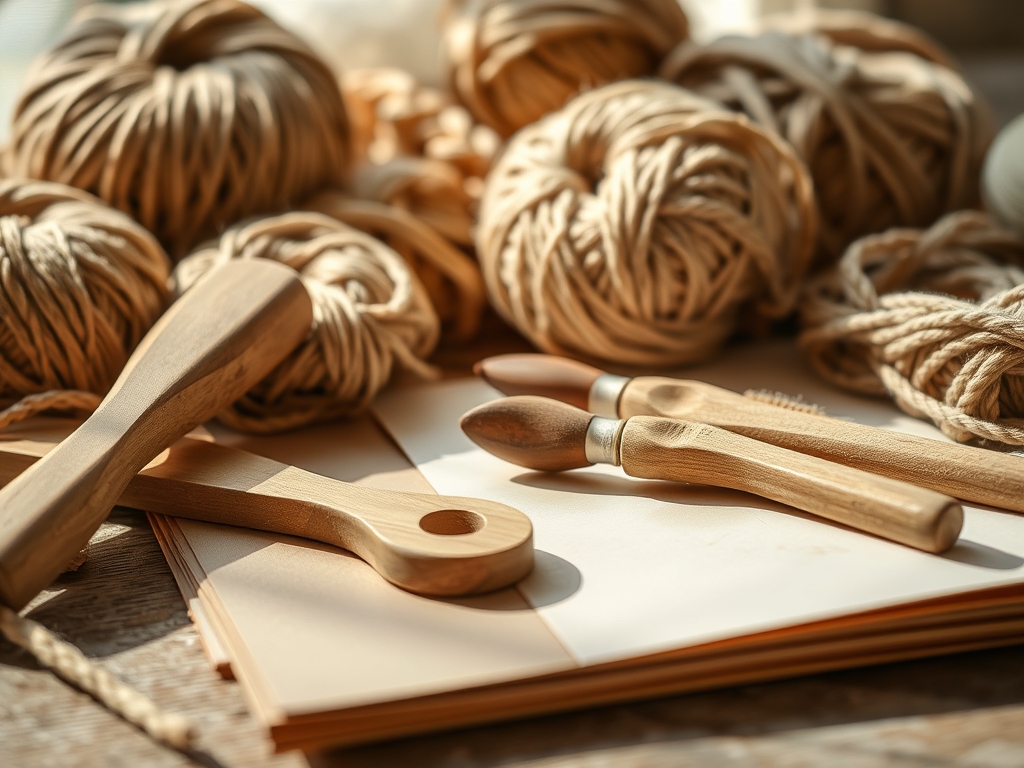
To master these six textures, your workbench needs a blend of traditional hand tools and precision instruments. You will need a high-carbon steel rotary cutter for clean edges on woven fabrics; this prevents the fraying caused by the jagged microscopic tears of dull scissors. A bone folder is essential for burnishing seams in heavy canvas or leather, ensuring a crisp fold without damaging the fibers. For knit textures, keep a set of calipers nearby to measure the gauge of your yarn; consistency in loop diameter is the secret to professional-grade elasticity. You will also need a tapered awl for piercing dense materials and a serrated tracing wheel to transfer patterns without bleeding ink into porous surfaces.
Material Substitutions: If you cannot source organic merino wool, look for recycled PET felt. It offers a similar structural density and impressive thermal resistance. Instead of premium Belgian linen, a heavyweight hemp blend provides comparable breathability and even higher durability against abrasion. For those avoiding animal products, pineapple leather (Piñatex) serves as a fantastic high-texture substitute for suede, offering a unique cellular pattern that catches the light beautifully.
THE TEMPO
The Maker's Rhythm is a physiological state where your heart rate synchronizes with the repetitive motions of your craft. For this project, expect a total commitment of roughly fifteen hours spread over a weekend. The Preparation Phase takes two hours; this involves washing, drying, and ironing fabrics to account for initial shrinkage. The Construction Phase is the bulk of the work, requiring ten hours of focused assembly. Finally, the Refining Phase takes three hours to trim loose threads, steam-block knits, and apply protective finishes. Respecting this tempo prevents "maker fatigue," a condition where grip strength diminishes and precision suffers.
THE CORE METHOD
1. The Architectural Knit
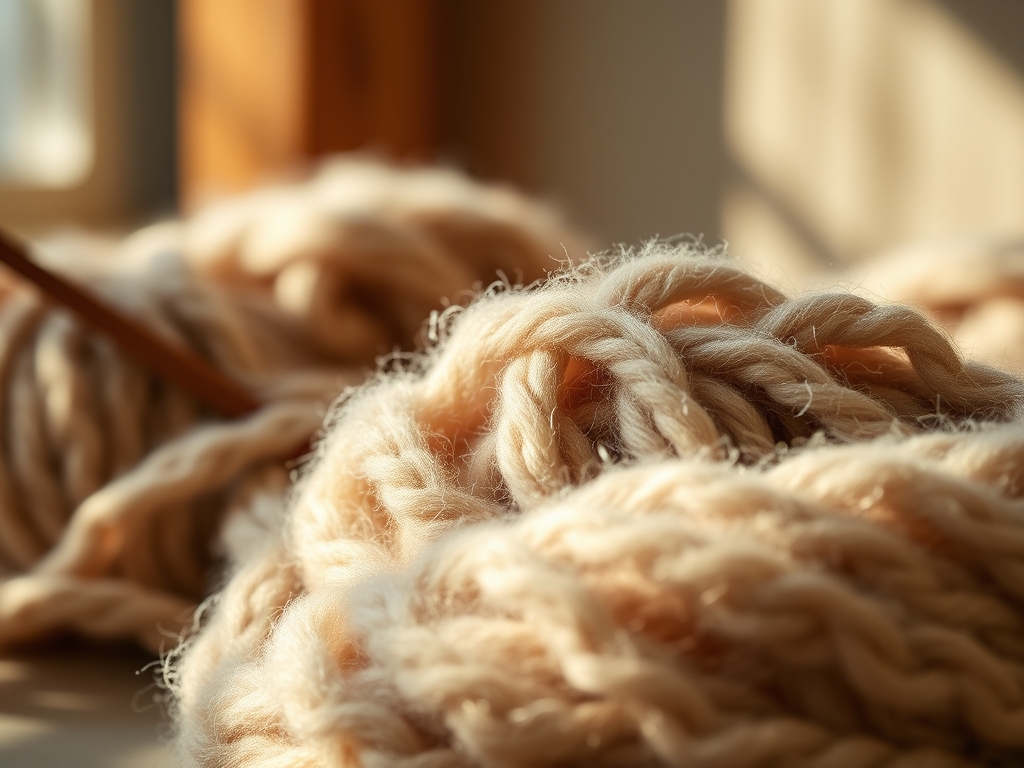
Start by selecting a high-gauge wool. When you create a purl stitch, you are essentially building a series of interlocking tension bridges. The way these loops sit against each other determines the loft of the fabric, which is the amount of air trapped between the fibers. This trapped air acts as a thermal insulator for your home.
Mastery Tip: Always check your stitch density with a ruler. If the tension is too tight, the material loses its ability to breathe; if it is too loose, the structural integrity fails, and the piece will sag under its own weight over time.
2. The Brushed Velvet Effect
Velvet is all about the "pile," which refers to the upright loops of thread that are cut to create a soft surface. To integrate this into a home project, use a stiff-bristled brush to manipulate the direction of the fibers. This creates a "nap" that reflects light at different angles, adding visual depth to a room.
Mastery Tip: Understand light refraction. Because the cut fibers are perpendicular to the base fabric, they absorb more light than flat weaves. Placing velvet near a window maximizes its rich, matte appearance.
3. The Structural Linen Fold
Linen is prized for its high pectin content, which gives the fibers a unique stiffness. To create a cozy, rumpled texture that does not look messy, use a bone folder to create "soft creases." This involves folding the fabric and applying light pressure to break the pectin bonds just enough to hold a shape without creating a permanent sharp line.
Mastery Tip: Linen is highly hygroscopic, meaning it absorbs moisture from the air. Always pre-wash your linen in the humidity level of the room where it will live to ensure the fit remains perfect.
4. The Layered Felt Compression
Felt is a non-woven textile produced by matting and pressing fibers together. By layering different densities of felt, you can create "acoustic panels" for your home that look like art. Use a heavy-duty adhesive or needle-felting tool to fuse layers, increasing the material's ability to absorb high-frequency sound waves.
Mastery Tip: Focus on fiber interlocking. When needle felting, the barbed needle forces fibers to hook into one another. The more passes you make, the higher the density and the better the sound-dampening properties.
5. The Braided Cotton Coil
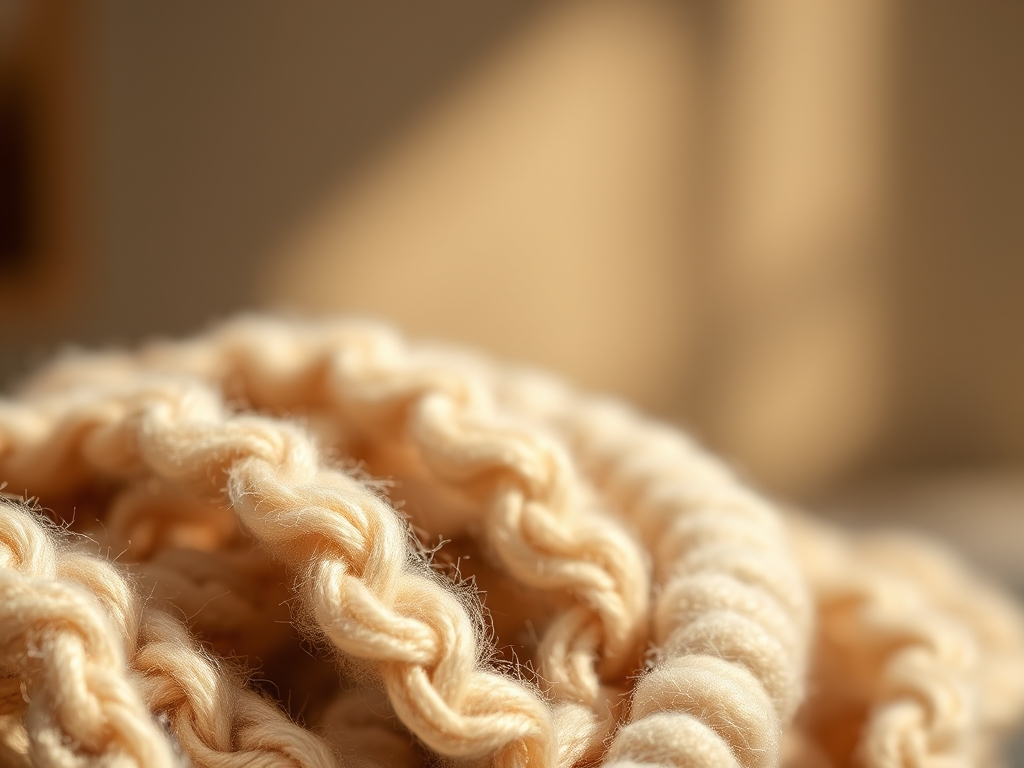
Braiding three or more strands of cotton cord increases the tensile strength of the material significantly. When you coil these braids into a mat or basket, you are using friction to hold the shape. Use a heavy-gauge needle to sew the coils together, ensuring the thread tension matches the cord tension.
Mastery Tip: Watch for torsional strain. As you coil, the cord naturally wants to twist. Counter-rotate the cord every few inches to keep the finished piece flat and prevent it from "cupping" upward.
6. The Faux-Fur Volume
Working with faux fur requires a long-blade rotary cutter to slice only the backing fabric, not the long synthetic hairs. This preserves the "shag" and prevents the edges from looking like a bad haircut. It adds a primal, cozy layer to any seating area by mimicking the organic irregularity of nature.
Mastery Tip: Synthetic fibers have a low melting point. Never use a high-heat iron on faux fur, as it will fuse the plastic filaments and permanently destroy the soft tactile quality.
THE TECHNICAL LEDGER
Maintenance & Longevity: To keep these textures pristine, use a vacuum with a HEPA filter on a low-suction setting. Avoid chemical cleaners that can strip the natural oils from wool or weaken the cellulose in linen. For spills, use the blotting method to leverage capillary action, pulling the liquid up into a microfiber cloth rather than rubbing it deeper into the weave.
Material Variations: For a sustainable edge, use bamboo silk for accents; it has a high luster and is naturally antimicrobial. If you want a premium feel, cashmere blends offer unparalleled softness but require a higher "pilling" maintenance schedule using a dedicated fabric comb.
The Correction:
- The Puckered Seam: This happens when your machine tension is too high for the fabric weight. Fix: Loosen the bobbin tension and use a walking foot.
- The Shedding Knit: This occurs with low-twist roving yarns. Fix: Lightly steam the piece to "set" the outer fibers.
- The Flat Pile: If velvet or faux fur loses its volume, use a handheld steamer held six inches away to reactivate the fiber memory.
Studio Organization: Store your textiles in acid-free tissue paper inside breathable cotton bags. Avoid plastic bins, which can trap moisture and lead to mildew. Use a labeling system that notes the fiber content and date of creation for future repairs.
THE FINAL REVEAL
Look at that transformation! By focusing on the microscopic details of these six textures, you have engineered a space that feels as good as it looks. The contrast between the heavy, structural braids and the airy, brushed knits creates a sophisticated landscape of comfort. Your home is now a masterclass in tactile physics; a place where every surface invites a touch and every corner whispers "relax." You did not just decorate; you built a sanctuary using science and soul.
STUDIO QUESTIONS
What is the best way to prevent wool from pilling?
Minimize friction by avoiding high-traffic placement. Use a dedicated fabric shaver or a fine-toothed comb to gently remove pills. This preserves the structural integrity of the yarn surface without thinning the underlying fiber density.
Can I mix different fiber types in one project?
Yes, but you must account for different shrinkage rates. Pre-wash all materials separately. Mixing fibers like linen and wool creates a beautiful "textural tension" that adds visual interest and varied thermal properties to your home.
How do I clean delicate handmade textures?
Always prioritize spot cleaning with pH-neutral soap. For deep cleans, use cold water and a gentle wool wash. Never wring the fabric; instead, roll it in a towel to extract moisture through compression and air dry flat.
What tool is best for cutting thick textures?
A fresh 45mm rotary cutter is superior to scissors for thick materials. It provides even downward pressure, ensuring a straight edge through multiple layers without shifting the grain line or distorting the fabric's natural weave.