

Picture the scene. You are standing in the center of a sunlit studio; the air is thick with the scent of damp cedar and raw cellulose. Your hands are submerged in a cool, cloudy slurry of blended fibers. There is a specific, electric thrill that happens when you lift a wooden frame from the water and watch a shimmering, translucent film transform into a sheet of Handmade Paper Stationery. It is not just about the aesthetic; it is about the physics of hydrogen bonding. When those microscopic fibers interlock as the water drains away, you are witnessing a structural miracle. This is the ultimate tactile experience for anyone who craves a physical connection to their correspondence. We are moving beyond the flat, lifeless reams of office supply stores. We are diving into the world of recycled textures, where every sheet tells a story of reclaimed materials and artisanal grit. Get ready to get your hands messy because we are about to engineer some serious beauty.
THE STUDIO KIT
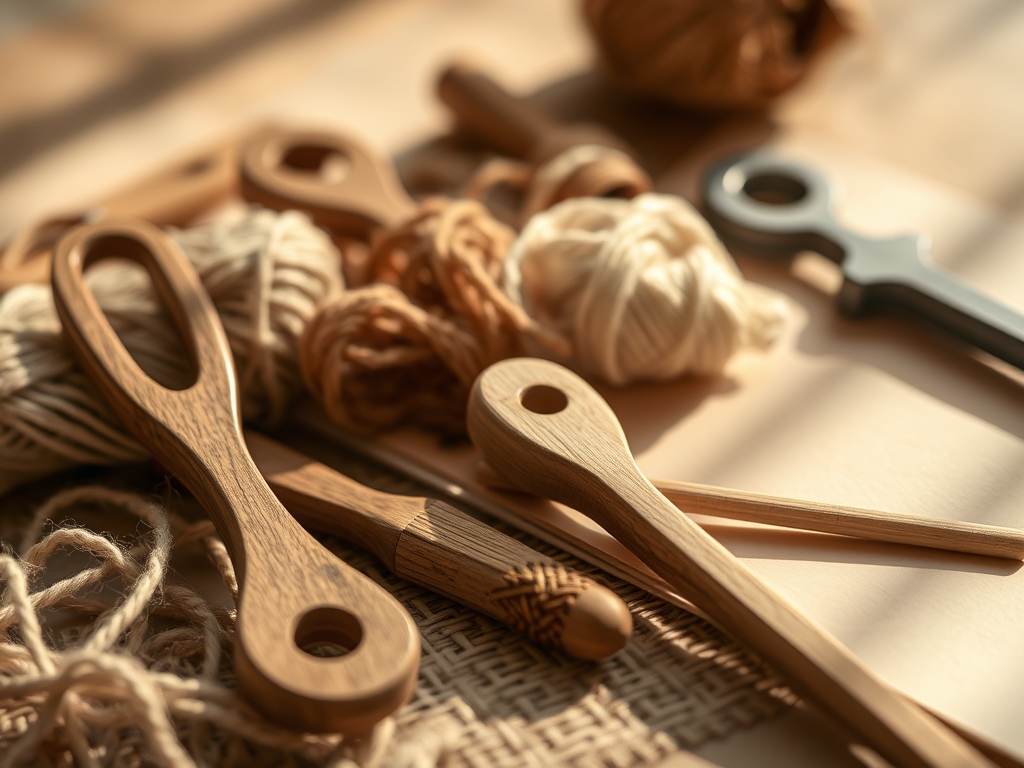
To master this craft, you need more than just a blender and some old mail. You need a setup that respects the tensile strength of the fibers you are manipulating. Your primary tool is the mold and deckle; a two part frame system that uses a fine mesh screen to capture the pulp. I recommend a stainless steel mesh over nylon because it resists sagging under the weight of the water, ensuring your sheets maintain a consistent gauge across the entire surface. You will also need a high speed blender to break down your recycled stock into a fine, suspended slurry.
For the pressing stage, grab a stack of wool felts or heavy duty absorbent cloths. These are essential for couching, the process of transferring the wet sheet from the screen to a flat surface. Professional makers often use a bone folder to burnish the edges of dry sheets, giving them a crisp, high end finish. If you do not have a dedicated paper press, a pair of heavy plywood boards and some C-clamps will work perfectly to apply even pressure.
Material Substitutions: If you lack a professional mold, you can stretch a fine window screen over an old picture frame. Instead of wool felts, try using flat, non textured kitchen towels or even heavy interfacing from a sewing kit. The goal is to find a material that allows for capillary action to draw moisture out of the pulp without leaving a distracting pattern on the paper surface.
THE TEMPO
The "Maker's Rhythm" is all about managing the hydration levels of your materials. Making paper is a game of patience and fluid dynamics. You should allocate at least two hours for the initial pulping and pulling phase. This is where the magic happens; the repetitive motion of dipping the mold into the vat creates a meditative flow.
However, the real work happens during the drying phase. Depending on the humidity in your studio, sheets can take anywhere from 12 to 48 hours to fully cure. You cannot rush the evaporation process without risking warping or brittleness. Think of it as a slow chemical transition where the water molecules step aside so the cellulose chains can link up. If you are planning a large batch of stationery, set up a drying rack with a dedicated fan to maintain consistent airflow.
THE CORE METHOD
1. The Fiber Harvest
Start by shredding your recycled materials. Use a mix of office paper for structural integrity and egg cartons or brown bags for a rustic, organic hue. The technical goal here is to maximize the surface area of the fibers to facilitate better bonding later.
Mastery Tip: Always include a small percentage of high cotton content paper. The longer fibers in cotton increase the tear resistance of your final sheet, making it durable enough to survive the postal system.
2. The Slurry Suspension
Fill your vat with water and add your blended pulp. The ratio should be roughly one part pulp to twenty parts water. You want a "cloudy" consistency where the fibers move freely without clumping.
Mastery Tip: Use a pinch of formation aid, like liquid okra or cornstarch, to slow the drainage of water through the mesh. This allows the fibers more time to settle into a chaotic, multi directional web, which prevents the paper from having a weak "grain direction."
3. The Vertical Pull
Submerge your mold and deckle vertically, then level it out at the bottom of the vat. Lift it straight up in one smooth, confident motion. As the water drains, give the frame a slight shake to distribute the fibers evenly.
Mastery Tip: This is where you manage surface tension. If you lift too fast, the vacuum effect will pull holes in your sheet. If you lift too slow, the fibers will settle unevenly. Aim for a steady, five second ascent.
4. The Couching Maneuver
Remove the deckle (the top frame) and flip the mold onto your damp felt. Apply firm, even pressure to the back of the screen. When you lift the mold, the wet sheet should remain on the felt.
Mastery Tip: This transfer relies on hydrostatic pressure. The moisture in the felt "pulls" the sheet away from the screen. If the sheet sticks, your felt is either too dry or your screen is too dirty.
5. The Compression Phase
Stack your wet sheets between layers of felt and place them in your press. Apply pressure gradually over thirty minutes. This forces out excess water and densifies the fiber network.
Mastery Tip: Proper compression increases the opacity of the paper. By collapsing the air pockets between fibers, you create a smoother surface that is much easier to write on with a fountain pen.
6. The Atmospheric Cure
Transfer the pressed sheets to a flat, dry surface or a drying rack. Avoid direct sunlight, which can cause the edges to dry faster than the center, leading to unsightly "cockling."
Mastery Tip: To achieve a perfectly flat finish, "exchange" your drying boards. Move the sheets to fresh, dry blotters every few hours. This constant contact with a flat plane ensures the paper fibers dry in a locked, linear position.
7. The Final Burnish
Once dry, use a bone folder or a smooth stone to rub the surface of the paper. This flattens any stray fibers and creates a slight sheen.
Mastery Tip: Burnishing reduces the porosity of the paper. This prevents ink from "feathering" or bleeding into the fibers, ensuring your handwritten notes look sharp and professional.
THE TECHNICAL LEDGER
Maintenance & Longevity: Keep your mold and deckle clean. Residual pulp can rot or grow mold if left in the mesh. Scrub the screen with a soft brush and pH neutral soap after every session.
Material Variations:
- Sustainable: Use shredded bamboo or hemp scraps for high strength.
- Recycled: Junk mail and old envelopes provide a variety of pre dyed colors.
- Premium: Add silk threads or dried botanicals during the pulling stage for visual depth.
The Correction:
- Thin Spots: Your slurry is too thin. Add more pulp to the vat and stir thoroughly.
- Couching Failure: The sheet won't leave the screen. Ensure your felt is damp, not soaking wet, and check the screen for "clogged" pores.
- Brittle Paper: You over processed the pulp. Shorten your blending time to keep the fibers long and flexible.
Studio Organization: Store your finished Handmade Paper Stationery in an acid free archival box. Keep the box in a cool, dry place away from fluctuating temperatures to prevent the fibers from expanding and contracting, which can lead to degradation over time.
THE FINAL REVEAL
There is nothing quite like the weight of a finished sheet of handmade paper in your hand. It has a tactile soul that digital communication simply cannot replicate. The deckled edges provide a soft, organic frame for your words, and the slight tooth of the surface makes every pen stroke feel intentional. You have turned waste into a vessel for human connection. It is sophisticated, it is sustainable, and it is a total power move for your next letter.
STUDIO QUESTIONS
How do I make my paper white without bleach?
Use a high percentage of white recycled office paper or add a small amount of titanium dioxide pigment to your vat. This increases the light reflectance of the fibers without damaging the structural integrity of the cellulose.
Can I use a regular kitchen blender?
Yes, but be careful. The high torque required to break down paper can burn out cheap motors. Pulse in short bursts and never fill the blender more than halfway with pulp to avoid overheating.
Why is my paper soaking up too much ink?
Your paper is too porous. To fix this, add a "sizing" agent like gelatin or starch to your vat or brush it onto the surface of the dry paper. This creates a barrier that controls ink absorption.
How do I get straight edges instead of deckled ones?
Use a rotary cutter and a metal ruler to trim the edges after the paper is fully dry. This results in a clean, modern look while still retaining the unique texture and weight of handmade stock.
Is it possible to embed seeds in the paper?
Absolutely. Add seeds to the vat after blending is complete. Ensure you dry the paper quickly with a fan to prevent the seeds from germinating prematurely due to the moisture in the pulp.