Imagine the scent of freshly cut vegetable tanned leather hitting the air; it is earthy and deep. Your fingertips brush against the micro-textures of organic cotton rope and the cool, industrial weight of solid brass hardware. This is the sensory peak of Crafting for Pet Owners. We are not just making toys; we are engineering functional art that survives the high energy chaos of a happy dog or a curious cat. When you pull a waxed thread through a pre-punched hole, you feel the resistance of the fibers gripping the needle. That tactile feedback tells you the seam will hold against fifty pounds of pulling force. We are diving into the physics of play today. We will explore how different materials react to shear force and saliva enzymes. Every stitch is a calculated decision in structural integrity. Grab your favorite beverage and clear your workbench. We are about to transform raw materials into high performance gear that looks like it belongs in a boutique but performs like it was built for the wild.
THE STUDIO KIT
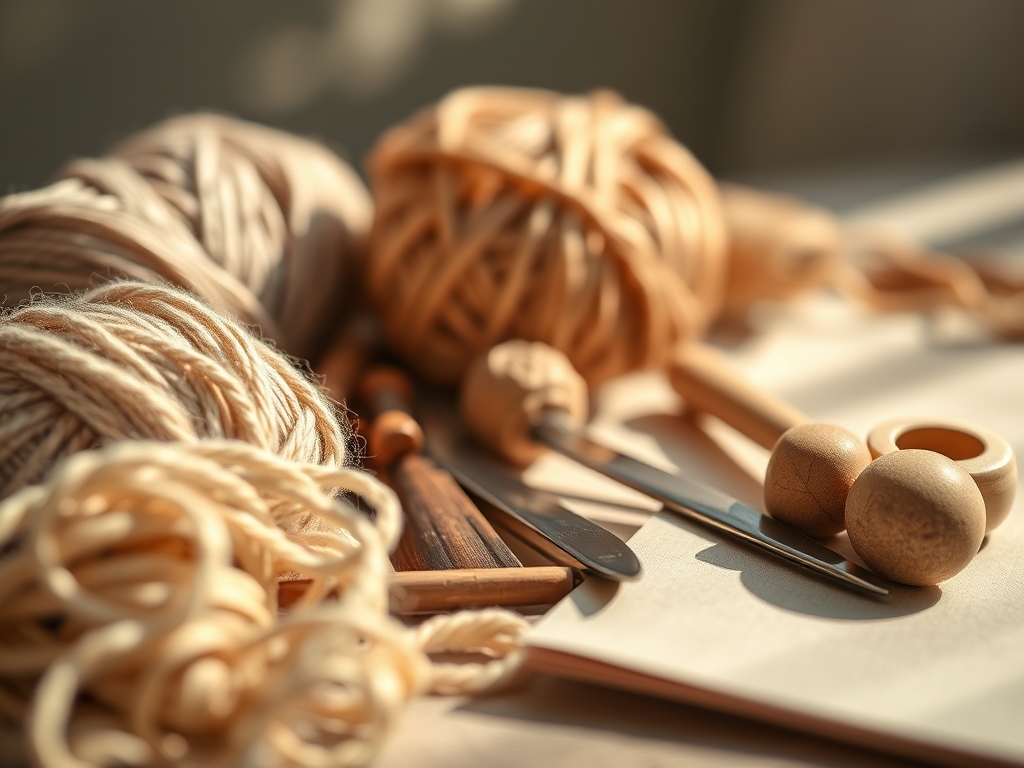
To master these projects, you need more than just a pair of kitchen scissors. You need tools that respect the tensile strength of your materials. Our primary kit includes a rotary cutter for precision edges on fabric, a stitching awl for penetrating thick hides, and a bone folder to create crisp, permanent creases in heavy canvas. We also utilize calipers to measure the thickness of leather hides, ensuring our hardware matches the gauge of the material perfectly. For the rope projects, a butane torch is essential for heat-sealing synthetic ends to prevent fraying.
Material Substitutions: If you cannot source premium leather, look for biothane; a polyester webbing with a TPU coating that offers incredible waterproof properties and high break strength. For fabric projects, if organic cotton is unavailable, use ballistic nylon. It features a basketweave pattern that provides superior abrasion resistance compared to standard weaves. Always prioritize non-toxic adhesives like water-based contact cements, as pets may lick or chew on the finished edges.
THE TEMPO
The "Maker's Rhythm" is all about respecting the cure times and the physical limits of your hands. Crafting for pet owners requires a phased approach. The Preparation Phase takes approximately 45 minutes; this involves marking, measuring, and cutting all components to ensure the grain direction of your fabric or leather aligns with the direction of stress. The Assembly Phase is the heart of the work, usually spanning two to three hours. This is where you enter a flow state, focusing on the repetitive motion of the needle or the rhythmic hammering of rivets.
Finally, the Finishing Phase requires at least 12 hours of "rest" for the materials. This allows glues to fully polymerize and fibers to settle into their new shapes. Rushing this stage often leads to structural failure. When you work with the material rather than against it, the project feels effortless. You will know you have found the rhythm when the sound of the tools becomes a steady, predictable hum in your studio.
THE CORE METHOD
1. The Braided Climbing Rope Leash
Start by cutting a ten-foot length of 10mm climbing rope. Loop one end through a heavy-duty swivel snap hook and secure it with a whipping knot using waxed polyester cord. Mastery Tip: This relies on friction physics. As the pet pulls, the tension actually tightens the external whipping cord against the inner core of the rope, increasing the grip.
2. The Ergonomic Vegetable Tanned Collar
Measure your pet's neck and add two inches for the overlap. Use a strap cutter to ensure perfectly parallel edges. Punch holes at one-inch intervals using a rotary punch. Mastery Tip: Use a burnishing tool on the edges. The heat generated by friction melts the leather fibers together, creating a smooth, rounded edge that prevents hair breakage on your pet's neck.
3. The Heavy-Duty Canvas Snuffle Mat
Cut a rubber sink mat to use as a base. Thread strips of high-density fleece through the holes and tie them in double knots. Mastery Tip: Fleece is a non-fraying synthetic; its knit structure allows it to be cut without unraveling, while its high surface area traps scent molecules, providing intense mental stimulation for the pet.
4. The Integrated Cat Wall Perch
Select a piece of kiln-dried pine. Use an oscillating tool to cut precise notches for the support brackets. Sand the surface to a 220-grit finish. Mastery Tip: Ensure you anchor into wall studs. The cantilevered load of a jumping cat can exert three times the animal's body weight in force; mechanical fasteners must penetrate at least two inches into the timber frame.
5. The Waterproof Biothane Long Line
Cut thirty feet of 1/2-inch biothane. Attach a stainless steel carabiner using chicago screws. Mastery Tip: Apply a drop of thread-locker to the screw threads. This prevents vibrational loosening, a common cause of hardware failure when a leash drags across uneven terrain like gravel or pavement.
6. The Orthopedic Denim Pet Bed
Upcycle old denim jeans by cutting them into uniform squares and sewing them into a large ticking. Fill with shredded memory foam. Mastery Tip: Denim has a high thread count and twill weave, making it puncture-resistant against claws. The memory foam provides viscoelastic support, contouring to the pet's joints to reduce pressure points.
7. The Ceramic Slow Feeder Insert
Mold non-toxic polymer clay into a spiral pattern that fits inside your existing pet bowl. Bake according to manufacturer specs. Mastery Tip: This creates fluid dynamics interference. By forcing the pet to navigate the ridges, you slow down their consumption rate, which prevents gastric torsion by reducing the amount of air swallowed during feeding.
THE TECHNICAL LEDGER
Maintenance & Longevity: To keep your gear in peak condition, clean leather items with a pH-balanced soap and re-condition every six months to maintain suppleness. Synthetic ropes should be inspected for "fuzzing," which indicates broken internal filaments. If more than 10 percent of the surface shows abrasion, the rope's load-bearing capacity is compromised.
Material Variations: For a sustainable upgrade, swap virgin plastics for recycled PET webbing. For a premium feel, use solid copper rivets which develop a beautiful patina over time and possess natural antimicrobial properties.
The Correction:
- Mistake: The leash feels stiff. Fix: Apply a neatsfoot oil treatment to the leather to lubricate the internal fibers.
- Mistake: Fabric edges are fraying inside the bed. Fix: Use a serger or a zigzag stitch to overcast the raw edges, locking the weave in place.
- Mistake: The collar buckle is digging in. Fix: Skive the leather (thin it down) at the attachment point using a French edger to reduce bulk.
Studio Organization: Store your leather in a temperature-controlled environment with 40 to 50 percent humidity. High humidity causes mold; low humidity causes the collagen fibers to become brittle and crack. Use vertical pegboards for tools to prevent the sharp edges of your awls and chisels from dulling against each other.
THE FINAL REVEAL
Look at that! You have successfully navigated the complex world of material science to create something truly spectacular. The finished pieces have a weight and a "hand" that mass-produced items simply cannot replicate. When you clip that custom leash onto your friend's collar, you are not just heading out for a walk; you are showcasing a masterclass in durability and design. Your pet feels the comfort of the ergonomic shapes, and you feel the pride of knowing every rivet is set perfectly. This is the ultimate reward of Crafting for Pet Owners: the intersection of love and engineering.
STUDIO QUESTIONS
What is the best thread for pet gear?
Use bonded nylon or polyester thread in size T70 or higher. These threads are treated to resist UV degradation and abrasion, ensuring the seams do not rot when exposed to moisture or sunlight during outdoor adventures.
How do I prevent leather from stretching?
Always cut your straps parallel to the spine of the hide. This area has the tightest fiber density and the least amount of natural "give," ensuring the collar or leash maintains its original length under high tension.
Can I wash handmade pet beds in a machine?
Yes, if you use a heavy-duty denim or canvas and pre-wash the fabric to account for shrinkage. Use a cold cycle and air dry to preserve the integrity of the fibers and any internal waterproof liners.
Why use solid brass instead of plated hardware?
Solid brass is non-ferrous, meaning it will never rust. Plated hardware eventually flakes, exposing the base metal to corrosion. Brass provides superior longevity and maintains its structural strength even in saltwater environments or heavy rain.