Imagine the smell of fresh cedar shavings mixing with the sharp, metallic tang of a newly sharpened chisel. Your fingertips trace the rough, porous grain of a pine plank, feeling every ridge and valley before you begin the transformation. This is the heart of Crafting for Home Repair; it is the moment where raw utility meets the elegant precision of a maker. We are not just patching holes or tightening screws today. We are engaging with the physical world through a lens of structural integrity and aesthetic grace. When you understand the tensile strength of your materials, a simple fix becomes a permanent upgrade. Whether you are dealing with the expansion and contraction of seasonal wood or the brittle nature of aged plaster, your hands are the primary sensors in this high stakes dance of restoration. We are going to dive into the physics of your home, using the same meticulous care a jeweler uses to set a stone. It is time to turn your living space into a gallery of your own technical mastery.
THE STUDIO KIT
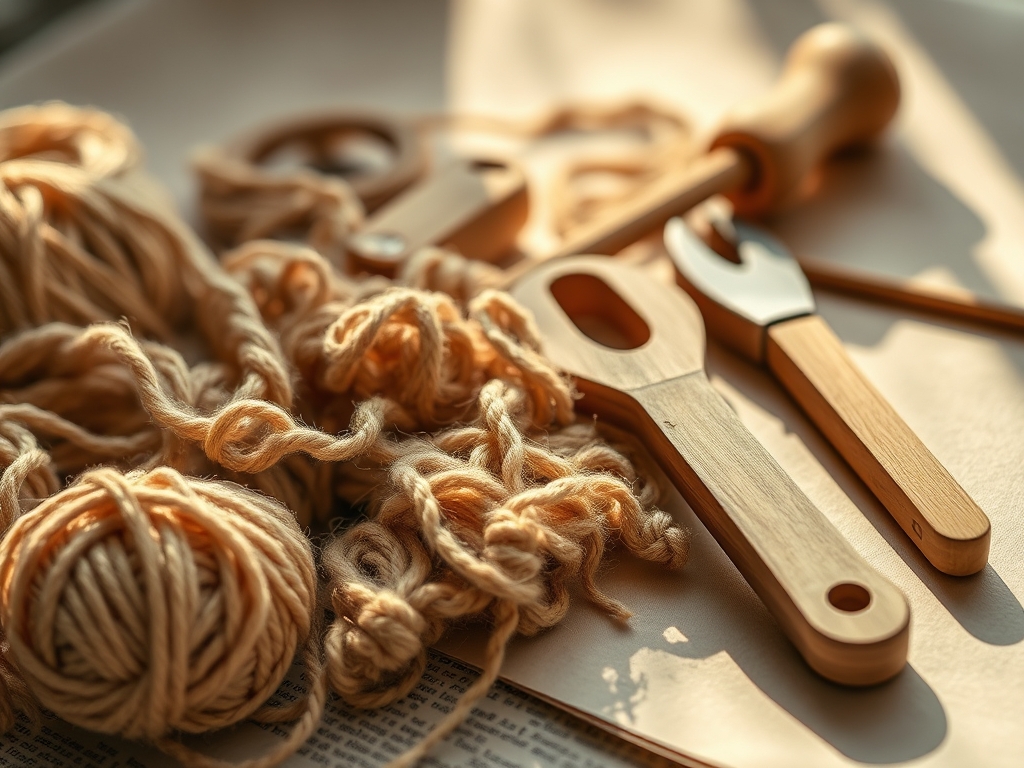
To master the art of the home, you need a kit that respects the molecular properties of your house. Your primary tool is a high quality caliper for measuring thickness down to the millimeter; precision is the enemy of failure. You will also need a bone folder for crisp edges in wallpaper or veneer work, and an oscillating tool for surgical cuts in drywall or baseboards. For fine detail, a jeweler's saw allows you to navigate tight radii that a standard hacksaw would destroy.
Your material palette should include high viscosity wood glue, which relies on capillary action to pull into the wood fibers, and various weights of sandpaper. Material Substitutions are vital when the local hardware store is closed. If you lack a professional wood filler, you can create a superior structural paste by mixing fine sawdust from your specific project with resin; this ensures the thermal expansion coefficient matches the original piece perfectly. Instead of a dedicated burnishing tool, the smooth back of a heavy stainless steel spoon can achieve a high gloss finish on leather or wood edges.
THE TEMPO
The "Maker's Rhythm" is not about speed; it is about respecting the cure times and chemical reactions of your materials. A standard repair session follows a 1:3:2 ratio. You spend one part of your time in the "Analysis Phase," measuring and testing the moisture content of your substrate. The second phase, "The Execution," takes three parts of your time. This is where the tactile work happens, from the first cut to the final assembly. Finally, the "Stabilization Phase" takes two parts of your time. This is the period where you allow adhesives to reach full tensile strength or finishes to off gas. Rushing a finish before the base layer has fully polymerized results in "alligatoring," where the top layer cracks because the bottom layer is still shifting.
THE CORE METHOD
1. The Seamless Patch
When repairing a puncture in drywall, the goal is to mimic the structural density of the surrounding area. Use your oscillating tool to cut a perfect square, then create a "hot patch" where the paper backing of the new piece extends two inches beyond the gypsum core. This creates a flush surface that resists cracking during house settling.
Mastery Tip: This technique utilizes surface tension. By applying a thin layer of joint compound under the paper flange, you create a vacuum seal that pulls the patch tight against the wall, eliminating the need for bulky mesh tape.
2. Restoring Stripped Threads
Wood fibers are essentially bundles of straws held together by lignin. When a screw strips a hole, those fibers have been crushed beyond their elastic limit. To fix this, coat several small hardwood dowels or toothpicks in PVA glue and drive them into the void. Once dry, the new wood provides a fresh, dense matrix for the screw threads to bite into.
Mastery Tip: The science here is compression set. By overfilling the hole and then driving the screw, you compress the new fibers against the old walls, creating a friction fit that is often stronger than the original wood.
3. Precision Caulking and Sealing
A perfect bead of caulk is a lesson in fluid dynamics. Clean the joint with isopropanol to remove oils that inhibit molecular bonding. Apply the bead at a steady forty five degree angle, then use a finger dipped in a mild soap solution to "tool" the joint.
Mastery Tip: Tooling the caulk is not just for looks; it forces the material into the interstitial spaces of the joint. This ensures a watertight seal that can withstand the hydrostatic pressure of a heavy rainstorm.
4. Furniture Joint Re-alignment
Wobbly chairs are usually the result of "glue fatigue," where the adhesive has become brittle and lost its shear strength. Disassemble the joint and use a sharp awl to score the internal surfaces. This increases the surface area for the new adhesive to grip.
Mastery Tip: When re-clamping, use a web clamp to apply even pressure across all axes. This ensures the piece is "in wind," meaning it is perfectly flat and not twisted, which prevents future stress fractures.
5. Veneer and Laminate Rescue
Lifted veneers are a common casualty of humidity. Use a thin palette knife to inject heat activated adhesive under the flap. Place a piece of parchment paper over the area and apply a warm iron to reactivate the bond, then use your bone folder to burnish the edges flat.
Mastery Tip: This process relies on thermoplasticity. By heating the adhesive, you lower its viscosity, allowing it to flow into the microscopic pores of the substrate before it cools and locks the veneer in place.
6. Metal Hardware Polishing
Oxidation is a chemical reaction that creates a dull, protective layer on metals like brass or copper. Use a fine rotary cutter with a felt buffing wheel and a jeweler's rouge to strip the oxide layer without Removing the underlying gauge of the metal.
Mastery Tip: After polishing, apply a thin coat of microcrystalline wax. This creates an oxygen barrier that prevents the electrochemical reaction of tarnishing, keeping your hardware bright for years.
THE TECHNICAL LEDGER
To ensure the longevity of your repairs, you must consider the environmental variables of your home. Wood repairs should be treated with a UV resistant topcoat to prevent photodegradation, which breaks down the cellular structure of the timber. For sustainable options, look for "Bio-Resins" or soy based adhesives that offer high performance without high VOC emissions.
The Correction:
- The Ghosting Effect: If a patch shows through paint, it is because the porosity of the patch differs from the wall. Fix: Apply a high solids primer to equalize the absorption rate.
- The Glue Starved Joint: If a joint fails immediately, you likely applied too much clamping pressure, squeezing all the glue out. Fix: Re-apply glue and clamp only until "squeeze out" just begins to appear.
- The Cracked Finish: If your topcoat cracks, the underlying layer was not dry. Fix: Sand back to the substrate and use a tachometer or moisture meter to ensure the surface is below 12 percent moisture.
Studio Organization: Store your adhesives in a climate controlled space to prevent polymerization inside the bottle. Keep your metal tools lightly oiled with camellia oil to prevent rust, and store your sandpaper in a grit indexed accordion file to maintain the integrity of the abrasive backing.
THE FINAL REVEAL
Look at that finish! The way the light catches the burnished edges of your repair proves that you have moved beyond simple DIY. You have successfully navigated the physics of your home, using technical precision to restore function and beauty. There is a profound sense of empowerment that comes from knowing exactly how the tensile strength of a joint or the viscosity of a finish contributes to the sanctuary of your living space. Your home is now a testament to your skill; a collection of perfectly executed solutions that will stand the test of time.
STUDIO QUESTIONS
How do I choose the right grit of sandpaper?
Start with a lower gauge like 80 grit for rapid material removal. Progress through 120 and 220 to remove scratches. The science is simple: each step replaces deep grooves with shallower ones until the surface appears smooth to the eye.
What is the best way to stop a squeaky floor?
Squeaks are caused by friction between floorboards. Injecting a dry lubricant like graphite or a specialized floor epoxy into the gaps reduces the coefficient of friction, allowing the boards to move silently against each other without binding.
Can I repair a cracked ceramic tile?
Yes, by using a two part epoxy tinted with universal colorants. The epoxy creates a molecular bond with the ceramic shards. Once cured, sand it flush with a diamond pad to match the surrounding texture and sheen perfectly.
Why does my wood glue keep failing outdoors?
Standard PVA glue is not "cross linking," meaning it dissolves when saturated. For exterior Crafting for Home Repair, use a Type III waterproof adhesive. These form a covalent bond that is unaffected by moisture or extreme temperature shifts.