Close your eyes and listen to the snap of high-density cardstock or the rhythmic drag of a needle through heavy-gauge linen. There is a specific, visceral thrill in the resistance of raw materials; it is the physical dialogue between your hands and the medium. When you dive into Crafting for Holiday Gifting, you are not just making a present; you are manipulating molecular structures to create a legacy. Whether you are feeling the oily glide of vegetable-tanned leather or the crystalline crunch of high-quality wax, the sensory feedback is your best guide. We are moving past the frantic, last-minute glue-gun chaos and stepping into the precision of a master studio. By understanding the tensile strength of your fibers and the drying rates of your adhesives, you can eliminate the cortisol spikes of December. We are going to build things that last, using physics as our foundation and wit as our fuel. Grab your favorite mug of tea; we are about to turn your kitchen table into a high-performance laboratory of joy.
THE STUDIO KIT
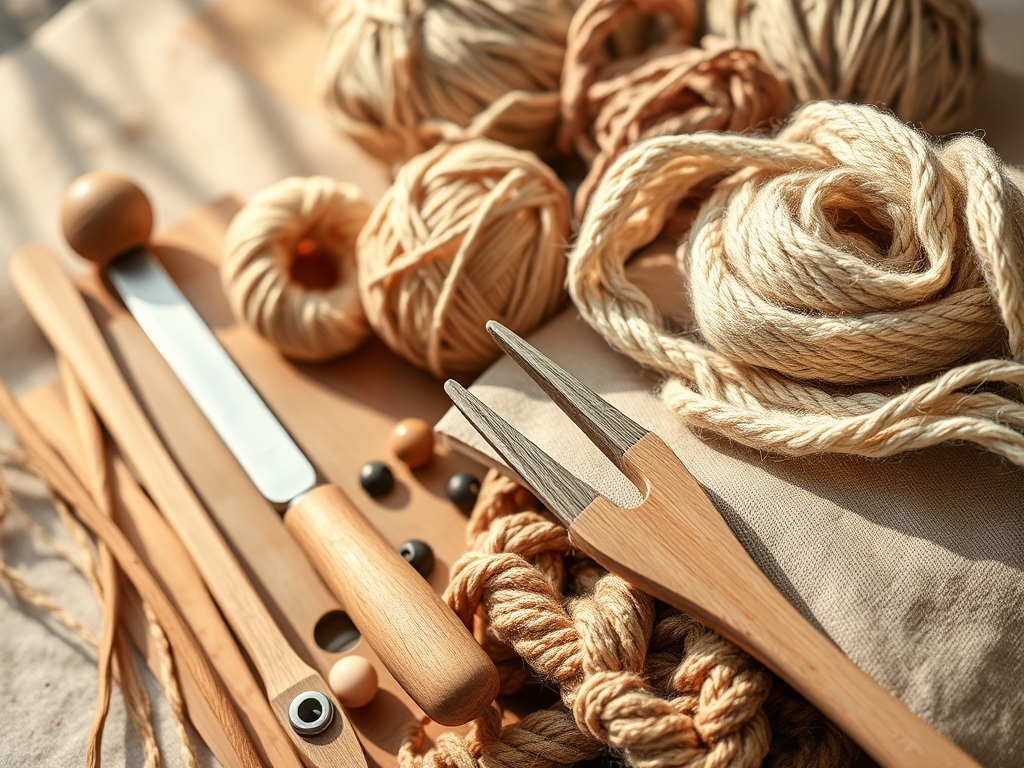
To master the art of the handmade, you need a kit that respects the physics of your materials. Start with a **precision rotary cutter** and a self-healing mat; these ensure that your cuts do not distort the grain of the fabric or paper. You will also need a **bone folder** for achieving crisp, molecular-level creases and a set of **digital calipers** to measure material thickness, especially when working with leather or wood veneers. For textile projects, a **heavy-duty awl** is essential for piercing through multiple plies without fraying the internal fibers.
Material Substitutions are your secret weapon for sustainability. If you cannot find high-grade beeswax for candle making, look for soy wax flakes with a high melt point to ensure structural integrity in warmer rooms. Instead of expensive exotic woods, use reclaimed birch plywood, which offers incredible stability due to its cross-laminated layers. If a pattern calls for silk but your budget screams cotton, opt for mercerized cotton; the chemical treatment increases the fiber's surface area and luster, giving it a silk-like sheen and improved dye uptake.
THE TEMPO
The Maker's Rhythm is a biological state where your heart rate syncs with the repetitive motions of your tools. For a stress-free season, you must account for the curing times and absorption rates of your materials. A standard project timeline is divided into four phases: The Acquisition (3 days for sourcing), The Preparation (1 day for measuring and cutting), The Execution (2 to 5 days of assembly), and The Setting (2 days for glues or finishes to fully polymerize).
Technical Fact: Most PVA glues reach 80 percent of their strength within an hour, but they require a full 24 hours for the moisture to evaporate completely from the porous fibers of the substrate. If you rush the setting phase, you risk delamination once the gift enters a different humidity environment. Plan your timeline backward from the holiday, adding a 20 percent "entropy buffer" for unexpected material failures or life interruptions.
THE CORE METHOD
1. Geometric Precision and Layout
Before the first cut, you must map your project according to the grain direction of the material. In woodworking and papermaking, the material is significantly stronger along the grain than across it. Use your steel ruler to mark your dimensions, ensuring every corner is a true 90-degree angle. Mastery Tip: Use a square tool to verify your layout; even a one-degree deviation at the base of a project will result in a structural lean of several millimeters at the top due to cumulative error.
2. The Clean Cut and Edge Prep
Whether using a jeweler's saw or a rotary blade, the speed of the cut dictates the friction heat. High friction can melt synthetic fibers or scorch delicate wood. Apply a consistent, downward pressure to ensure the blade shears through the cellular structure rather than crushing it. Mastery Tip: To prevent fraying on woven materials, use the science of capillary action by applying a tiny bead of fray-check or diluted glue to the edge; the liquid will wick into the fibers and lock them in place.
3. Structural Joining and Adhesion
When joining two surfaces, the goal is to create a bond stronger than the material itself. For mechanical joins, like stitching, maintain a consistent tension to avoid puckering. For chemical joins, like gluing, you must "scuff" non-porous surfaces to increase the surface area for the adhesive to grab. Mastery Tip: Understand surface tension; if your glue beads up, the surface is too oily or smooth. Lightly sanding with 220-grit paper creates microscopic "teeth" for a superior mechanical bond.
4. Burnishing and Surface Refinement
The final touch involves closing the pores of the material to protect it from the environment. Use a bone folder or a wooden slicker to burnish the edges of leather or paper. This process uses friction to heat the natural waxes and fibers, fusing them into a smooth, glossy barrier. Mastery Tip: Friction-based burnishing works because it reorganizes the molecular alignment of the surface fibers, making them more resistant to moisture and abrasion.
5. The Protective Seal
Apply a finish that complements the material's breathability. For wood, a drying oil like linseed will penetrate the pores and harden; for paper, a light spray of archival fixative prevents oxidation. Mastery Tip: Always apply finishes in thin, multiple coats. This allows each layer to cross-link with the one below it, creating a durable, multi-layered shield rather than a single, brittle shell.
THE TECHNICAL LEDGER
Maintenance & Longevity: To ensure your gifts last for decades, instruct the recipient on environmental care. Natural fibers and woods are hygroscopic, meaning they expand and contract with humidity. A stable environment prevents warping.
Material Variations:
- Sustainable: Cork fabric is a high-tensile, eco-friendly alternative to leather.
- Recycled: Pulped denim insulation makes for incredible, heavy-weight artist paper.
- Premium: Grade-A merino wool offers superior elasticity and thermal regulation compared to synthetics.
The Correction:
- The Ghost Gap: If a joint has a gap, fill it with a mixture of the material's own dust and adhesive to create a color-matched structural filler.
- The Adhesive Overspill: If glue seeps out, do not wipe it while wet; let it become "tacky" and peel it away with a crepe ribbon to avoid staining the pores.
- The Tension Warp: If a flat project curls, lightly dampen the concave side; the fibers will expand and pull the piece back to a neutral, flat state.
Studio Organization: Store your ongoing projects in acid-free archival boxes. This prevents UV degradation and protects the materials from absorbing ambient household oils or odors while they are in their vulnerable, unfinished state.
THE FINAL REVEAL
Look at that! You have successfully navigated the physics of creation. Your finished piece is a testament to the harmony of force, friction, and chemistry. The edges are crisp, the joins are seamless, and the structural integrity is rock solid. There is a profound weight to a hand-crafted object that a factory-made item can never replicate. You have essentially bottled your time and energy into a physical form. When your friend unwraps this, they will feel the tactile quality and the deliberate care in every millimeter. You are not just a crafter; you are a holiday hero with a very sharp rotary cutter.
STUDIO QUESTIONS
How do I prevent my paper from warping when using wet adhesives?
Apply the adhesive sparingly from the center outward. Use a bone folder to evacuate air bubbles. Immediately place the project under a heavy, flat weight to ensure the fibers dry in a constrained, planar position, preventing hygroscopic distortion.
What is the best way to clean my precision tools?
Use 91 percent isopropyl alcohol to dissolve adhesive residue and resin. For carbon steel tools like an awl, apply a microscopic layer of camellia oil to prevent oxidation. Always store blades in a low-humidity environment to maintain their molecular sharpness.
Why does my thread keep snapping during heavy-duty sewing?
You likely have a tension imbalance or are using a thread with low tensile strength. Switch to a bonded nylon or polyester thread. Ensure your needle gauge matches the thread diameter to reduce friction as it passes through the material.
Can I mix different types of wood or leather in one project?
Yes, but you must account for different expansion coefficients. Use flexible adhesives or mechanical fasteners that allow for slight movement. Ensure both materials have reached equilibrium moisture content in your studio before you begin the joining process.