The scent of cedar oil hitting a fresh blade is basically my favorite perfume. There is something primal and deeply satisfying about the resistance of high density polyethylene or the gritty texture of kiln dried lumber under a palm sander. When we talk about Crafting for Outdoor Living, we are not just making pretty things for the porch; we are engineering functional art that survives the elements. You have to think about how UV rays degrade molecular bonds and how moisture causes wood fibers to swell along the grain. We are looking for that perfect intersection of rugged durability and high design. Grab your safety glasses and a cold drink because we are diving into projects that handle wind, rain, and sun without breaking a sweat. We will be manipulating everything from heavy gauge copper to marine grade canvas to ensure your patio looks like a high end boutique resort. It is time to get your hands dirty and your technical skills sharpened.
THE STUDIO KIT
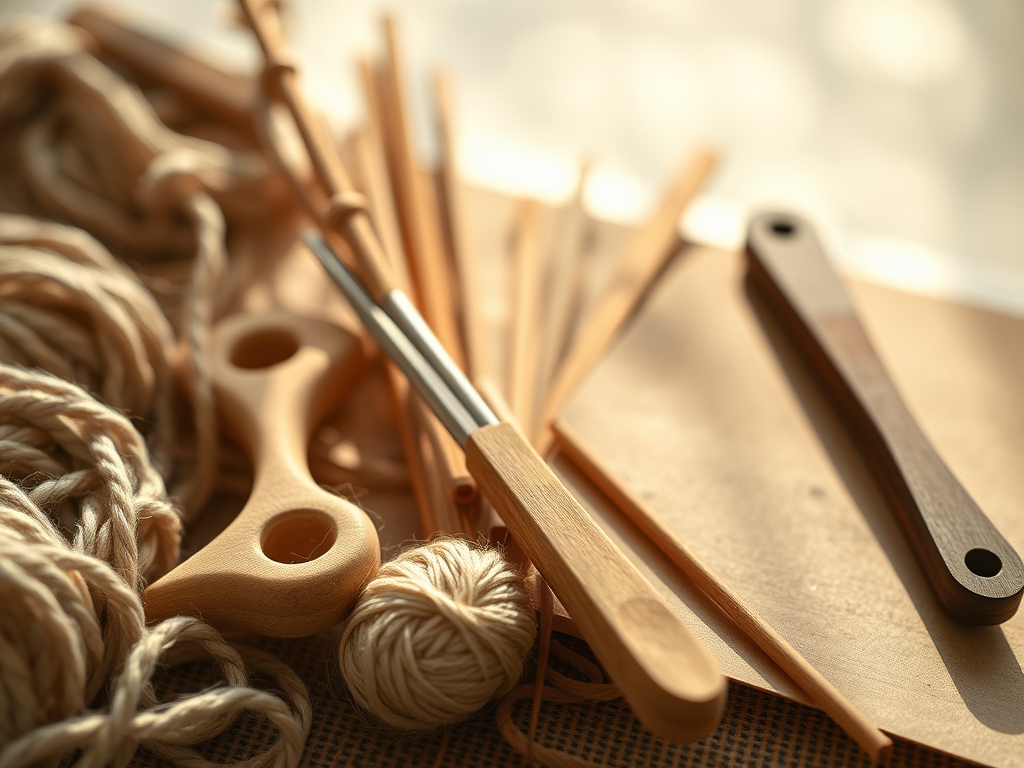
To master these projects, your toolbox needs to evolve beyond the basic screwdriver. We are looking for tools that provide precision and leverage. You will need a digital caliper to measure the exact thickness of your materials; even a half millimeter difference can throw off a mortise and tenon joint. An oscillating tool is essential for flush cuts in tight corners, while a heavy duty awl will help you pre puncture thick leather or canvas. For metalwork, a jeweler's saw allows for intricate detailing in brass or aluminum accents.
When it comes to materials, prioritize tensile strength and weather resistance. Look for 316 stainless steel hardware, which contains molybdenum to prevent chloride corrosion. For textiles, seek out solution dyed acrylics; these fibers are pigmented all the way through the core, preventing the "bleached out" look caused by solar radiation.
Material Substitutions: If you cannot find teak, ipe or black locust are incredible alternatives due to their high Janka hardness ratings and natural rot resistance. Instead of expensive copper sheeting, you can use anodized aluminum, which offers a similar weight to strength ratio and excellent oxidation protection.
THE TEMPO
The "Maker's Rhythm" is all about respecting the cure times and the physical limits of your materials. You cannot rush the polymerization of an outdoor resin or the drying of a waterproof wood glue. For these eight projects, expect a tiered timeline.
The preparation phase, including measuring and rough cutting, usually takes about twenty percent of your time. The assembly phase is the meat of the process, requiring focused "deep work" blocks of three to four hours. Finally, the finishing phase is where patience pays off. You must allow for proper off gassing of sealants and at least twenty four hours for structural adhesives to reach full load bearing capacity. If you try to move a piece before the bonds have set, you risk micro fractures that will fail under the thermal expansion of a hot summer day.
THE CORE METHOD
1. The Cantilevered Cedar Side Table
Start by cutting your cedar planks to length using a miter saw. Cedar has a low specific gravity, making it lightweight but surprisingly sturdy due to its natural oils. Use pocket hole joinery reinforced with waterproof glue.
Mastery Tip: Always account for hygroscopic movement. Wood expands and contracts perpendicular to the grain as humidity changes. By using oversized pilot holes for your screws, you allow the wood to "breathe" without cracking the frame.
2. Marine Grade Canvas Sling Chairs
Cut your canvas using a rotary cutter for clean edges that wont fray. Use a heavy duty sewing machine with a size 18 needle to pierce the thick weave. Double stitch every seam to distribute the load.
Mastery Tip: This project relies on tensile distribution. By using a flat felled seam, you interlock the fabric layers, which increases the surface area of the stitch and prevents the thread from shearing under the weight of a seated person.
3. Hammered Copper Torch Sconces
Anneal your copper pipe by heating it with a torch until it glows dull red, then quench it in water. This resets the crystalline structure of the metal, making it soft enough to shape with a ball peen hammer.
Mastery Tip: The dimples you create are not just decorative; they increase the surface area of the metal. This allows the copper to dissipate heat faster, keeping the mounting hardware cooler when the torch is lit.
4. Polished Concrete Fire Pit Ring
Mix your concrete with a high flow additive to reduce air bubbles. Pour the slurry into a melamine mold, vibrating the sides to force trapped air to the surface. This creates a dense, non porous finish.
Mastery Tip: This is all about capillary action. A dense pour prevents water from seeping into microscopic voids. If water gets inside and freezes, the expansion will cause the concrete to spall and crack.
5. Paracord Wrapped Steel Planters
Clean your steel frames with trisodium phosphate to remove oils. Use a cobra weave with 550 paracord, ensuring consistent tension on every knot. The nylon core provides incredible durability against the wind.
Mastery Tip: Maintain uniform tension to prevent the cord from sagging over time. Nylon has a high elastic limit, but if you exceed it during the wrap, the fibers will stay "stretched" and lose their aesthetic crispness.
6. Hardwood Deck Tiles with Interlocking Bases
Cut small slats of ipe and screw them onto plastic grid bases. Use a countersink bit so the screw heads sit flush or slightly below the wood surface. This prevents "snagging" on bare feet.
Mastery Tip: Ipe is so dense it does not float. You must pre drill every single hole because the sheer density of the wood will snap a standard steel screw if you try to drive it in cold.
7. Etched Zinc Herb Markers
Use a chemical etchant or a high speed rotary tool to engrave names into zinc strips. Polish the surface with a bone folder to smooth out any burrs left by the engraving process.
Mastery Tip: Zinc forms a protective carbonate layer (patina) when exposed to the atmosphere. This layer is self healing; if the metal gets scratched, the surrounding zinc oxidizes to fill the gap and prevent deep corrosion.
8. Weatherproof Rope Ottoman
Coil heavy manila or synthetic hemp rope around a recycled tire or foam core. Use a high tack construction adhesive applied with a notched trowel to ensure full coverage.
Mastery Tip: Observe the lay of the rope. Twisting the rope against its natural curl during application creates internal torque. This torque will eventually force the adhesive to fail, so always "roll" the rope into place following its factory twist.
THE TECHNICAL LEDGER
Maintenance & Longevity: To keep your projects pristine, apply a UV inhibiting clear coat every two seasons. For wood, use a penetrating oil rather than a film forming varnish; oils move with the wood, while varnishes eventually crack and peel.
Material Variations: For a sustainable twist, use recycled HDPE (milk jug plastic) lumber. It is impervious to moisture and never needs staining. For a premium feel, swap zinc for solid brass, which develops a stunning verdigris patina over time.
The Correction:
- The Mistake: Stripped screw heads in hardwood. The Fix: Use a screw extractor and switch to Torx head (star) screws for better torque transfer.
- The Mistake: Bubbles in concrete. The Fix: Use a "pencil vibrator" or a sander (without the paper) held against the mold to shake the air out.
- The Mistake: Fraying rope ends. The Fix: Use a "whip finish" with heavy twine or heat seal synthetic ends with a butane torch.
Studio Organization: Store your outdoor textiles in breathable bins to prevent mold. Keep your metal hardware in "VCI" (Vapor Corrosion Inhibitor) bags to stop rust before it starts.
THE FINAL REVEAL
There is nothing quite like the moment you step back and see a fully realized outdoor space that you built with your own two hands. The contrast of the industrial concrete against the warm cedar and the shimmering copper creates a visual rhythm that feels both sophisticated and rugged. These pieces are not just furniture; they are a testament to your technical skill and your understanding of how materials interact with the wild world. Your patio is now a high performance environment ready for any season.
STUDIO QUESTIONS
How do I prevent wood from graying outside?
Apply a sealer with UV blockers and pigments. The pigments act like sunscreen, reflecting the rays that break down lignin. Without these, the wood fibers photo degrade and turn silver over time.
Is stainless steel truly rust proof?
No, it is rust resistant. In salty or high moisture environments, even stainless can develop "tea staining." Regular cleaning and a light coat of wax will maintain the protective chromium oxide layer.
What is the best glue for outdoor projects?
Look for ANSI/HPVA Type I waterproof ratings. Polyurethane glues are excellent because they expand into the wood fibers, creating a mechanical bond that survives extreme temperature fluctuations and constant moisture.
Why did my concrete fire pit crack?
It likely lacked reinforcement or had too much water in the mix. High water content creates a porous structure. Use rebar or alkali resistant glass fibers to increase the internal tensile strength.
Can I use regular indoor fabric for patio pillows?
Avoid it. Indoor fabrics lack UV stabilizers and antimicrobial treatments. They will fade within weeks and become a breeding ground for mildew as soon as they get damp from morning dew.