Imagine the sharp, crystalline snap of citric acid hitting a glass beaker or the viscous, golden slide of castile soap as it coats the interior of a ceramic mixing bowl. There is a profound tactile satisfaction in assembling your own Handmade Cleaning Supplies from scratch. It is not just about a tidy room; it is about the physics of surfactants and the molecular tension of essential oils. When you feel the weight of a heavy glass spray bottle in your palm, you are gripping a tool of precision. We are moving away from the synthetic, cloying scents of industrial chemicals and stepping into a world where grain direction and liquid density dictate the success of your home maintenance. This is the art of the green home, where we treat our cleaning solutions with the same reverence a luthier treats a piece of spruce. We are going to manipulate pH levels and harness the abrasive power of minerals to create a suite of products that are as effective as they are elegant. Grab your apron and your safety goggles; we are about to turn your kitchen into a high-performance chemistry lab.
THE STUDIO KIT
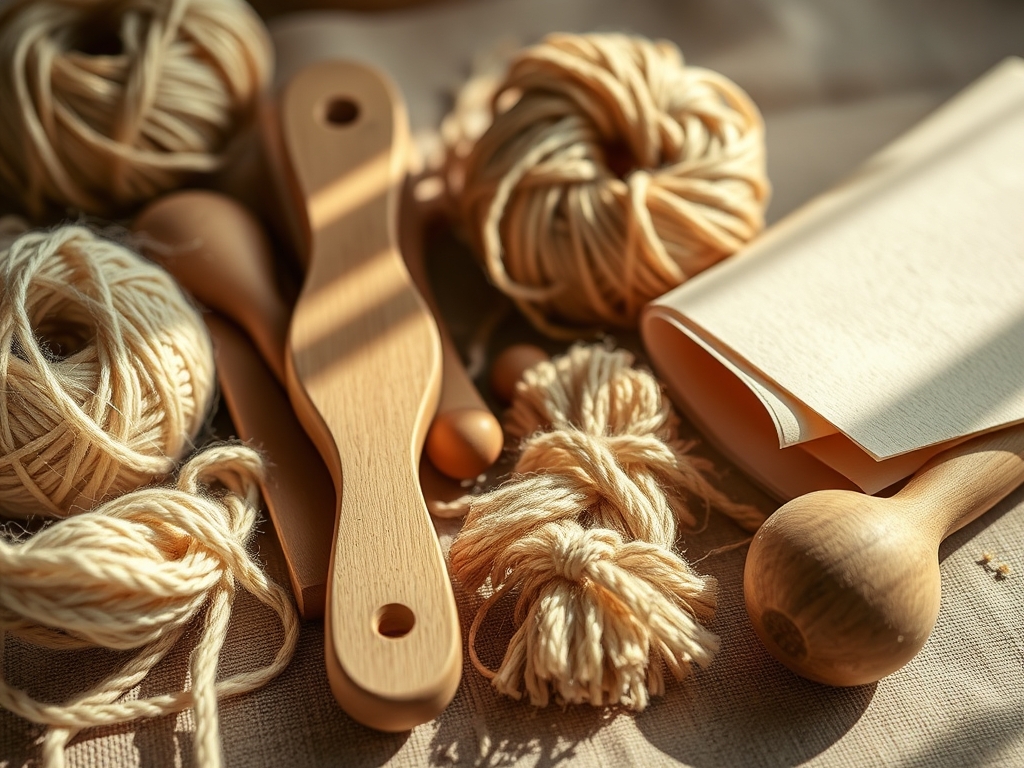
To master the production of Handmade Cleaning Supplies, you need a kit that respects the material physics of your ingredients. Start with a set of borosilicate glass beakers and a high-accuracy digital scale capable of measuring to the 0.1 gram. Precision is the difference between a streak-free window and a foggy mess. You will also need a stainless steel whisk for emulsification and a silicone spatula to ensure zero waste when transferring viscous liquids. For dry components, a fine-mesh sieve is essential to prevent clumping in your scouring powders.
Material Substitutions: If you cannot source organic castile soap, a high-quality vegetable glycerin base serves as an excellent surfactant substitute. For those sensitive to acetic acid (vinegar), citric acid powder dissolved in distilled water offers a similar pH-lowering effect without the pungent aroma. Instead of plastic spray heads, opt for high-pressure trigger sprayers with adjustable nozzles to control the micron size of the mist.
THE TEMPO
The "Maker's Rhythm" in the world of green cleaning is all about sedimentation and infusion. While the actual assembly of these recipes takes about ten minutes per batch, the curing phase is where the magic happens. Think of it like tempering steel; you are allowing the molecules to stabilize.
- The Setup (5 Minutes): Calibrating your scale and organizing your raw materials by density.
- The Integration (10 Minutes): Active mixing, whisking, and emulsifying.
- The Stabilization (24 Hours): Allowing essential oils to fully bond with the surfactants.
- The Quality Check (2 Minutes): Testing the pH and checking for any separation or precipitation in the solution.
THE CORE METHOD
1. The All-Purpose Surface Architect
Mix 2 cups of distilled water with 1 tablespoon of castile soap and 15 drops of lemon essential oil. This creates a low-tension liquid that lifts debris without etching delicate surfaces.
Mastery Tip: This recipe relies on micelle formation. The soap molecules arrange themselves into tiny spheres that trap oil and dirt, allowing them to be rinsed away. Using distilled water prevents mineral interference with this process.
2. The Glass Clarity Catalyst
Combine 1 cup of high-proof isopropyl alcohol with 1 cup of water and 1 tablespoon of white vinegar. This solution evaporates at a high rate, preventing the formation of water spots.
Mastery Tip: The volatility of the alcohol is the key here. It lowers the boiling point of the mixture, ensuring that the liquid turns to vapor before it can leave behind any solute streaks on the glass.
3. The Heavy-Duty Scouring Paste
Blend 1 cup of baking soda with 1/4 cup of liquid castile soap until it reaches the consistency of a thick burnishing paste.
Mastery Tip: Baking soda is a mild abrasive with a Mohs hardness of about 2.5. This is hard enough to remove organic buildup but soft enough not to scratch the tensile surface of porcelain or stainless steel.
4. The Wood Grain Nutritive
Whisk 1/2 cup of olive oil with 1/4 cup of lemon juice. Use a lint-free microfiber cloth to apply it in the direction of the wood grain.
Mastery Tip: This is an exercise in capillary action. The oil penetrates the porous structure of the wood, replacing lost moisture and creating a protective lipid barrier against humidity.
5. The Toilet Bowl Effervescent
Mix 1 cup of baking soda with 1/4 cup of citric acid. Store dry and sprinkle into the bowl before adding vinegar for a high-energy reaction.
Mastery Tip: You are witnessing an acid-base neutralization. The byproduct is carbon dioxide gas, which creates mechanical agitation to loosen limescale and mineral deposits from the ceramic.
6. The Fabric Softening Infusion
Fill a glass jar with white vinegar and several sprigs of fresh rosemary or lavender. Let it sit for two weeks before straining.
Mastery Tip: This is a solvent extraction. The acetic acid breaks down the plant cell walls to pull out aromatic esters and terpenes, which then act as natural deodorizers during the rinse cycle.
7. The Air Purification Mist
Combine 1/2 cup of vodka with 1.5 cups of distilled water and 20 drops of eucalyptus oil in a fine-mist sprayer.
Mastery Tip: Alcohol acts as a solubilizer. Essential oils are hydrophobic and will not mix with water alone; the alcohol allows the oil to disperse evenly throughout the liquid for a consistent spray.
8. The Drain Maintenance Solution
Pour 1/2 cup of baking soda followed by 1/2 cup of vinegar down the drain. Cover the opening to force the pressure downward.
Mastery Tip: By covering the drain, you utilize gas expansion. The trapped CO2 builds pressure, pushing the cleaning agents through the biofilm accumulating on the interior pipe walls.
9. The Mold and Mildew Inhibitor
Mix 2 cups of water with 2 teaspoons of tea tree oil. Spray onto affected areas and do not rinse.
Mastery Tip: Tea tree oil contains terpinen-4-ol, a compound that disrupts the cellular membranes of fungi. Leaving it on the surface allows for a prolonged residual effect that prevents spore germination.
THE TECHNICAL LEDGER
Maintenance & Longevity: Because these Handmade Cleaning Supplies lack synthetic preservatives, they have a shorter shelf life. Most aqueous solutions remain stable for 30 days. Store them in cobalt or amber glass to prevent photo-oxidation of the essential oils.
Material Variations: For a premium version, swap white vinegar for 20% acidity cleaning vinegar for tougher jobs. If you are working on high-end marble, skip the acid entirely and use a neutral pH stone soap to prevent etching the calcium carbonate.
The Correction:
- Separation: If your oil and water separate, add a teaspoon of vegetable glycerin to act as a stabilizer.
- Cloudiness: This usually indicates mineral buildup from tap water. Switch to distilled or deionized water.
- Weak Suds: If the soap isn't foaming, your water might be too "hard." Add a pinch of borax to soften the water and increase surfactant efficiency.
Studio Organization: Label every bottle with the date of manufacture and the exact pH level. Store your kit in a cool, dark cabinet away from direct heat sources to maintain the molecular integrity of the botanical extracts.
THE FINAL REVEAL
Look at that collection! You have just engineered a laboratory-grade suite of cleaning tools that are as safe as they are powerful. There is a specific kind of pride that comes from knowing exactly what is in every bottle under your sink. Your home now smells like a botanical garden rather than a bleach factory, and your surfaces are gleaming thanks to the precision chemistry you applied. These Handmade Cleaning Supplies are more than just soap; they are a testament to your skill as a maker and your commitment to a sustainable, high-performance lifestyle. Go ahead, give that counter one last buff and admire the luster.
STUDIO QUESTIONS
How long do handmade cleaning supplies last?
Most water-based recipes last about four weeks. Since they lack industrial preservatives, microbial growth can occur over time. Using distilled water and storing bottles in a cool, dark place helps extend their shelf life and potency.
Can I use plastic bottles instead of glass?
High concentrations of essential oils can degrade certain plastics through a process called leaching. It is technically safer to use borosilicate or thick glass to ensure the chemical stability of your solutions and prevent plastic compounds from contaminating your cleaners.
Why is my homemade cleaner leaving streaks?
Streaking is usually caused by residual minerals in tap water or an excess of soap. Ensure you are using distilled water and follow the measurements precisely to maintain the correct solute-to-solvent ratio for a clean evaporation.
Is vinegar safe for all surfaces in my home?
No. Vinegar is an acid that can etch and damage natural stone like marble, granite, and limestone. Always check the material compatibility of your surface before applying acidic cleaners to prevent permanent structural or aesthetic damage.