The smell of ozone and copper hits you the second the pliers meet the wire. It is that crisp, metallic bite that tells your brain it is time to create. To master the flow of metal, you need a consistent Daily Jewelry Practice that treats your hands like finely tuned instruments. We are talking about building the muscle memory required to command stubborn silver and temperamental gold fill without a single nick. You can feel the tensile strength of the material resisting your grip; it is a conversation between your willpower and the molecular structure of the alloy.
Every single twist is a lesson in physics. When you work with dead soft wire, you are manipulating a lattice of atoms that wants to stay exactly where it is. Your job is to coax it into a curve that feels natural but holds its shape with structural integrity. This is not just about making something pretty; it is about the ductility of the metal and how it responds to the heat of your palms. Grab your coffee and clear your bench. We are diving into the gritty, glorious details of wire physics.
THE STUDIO KIT
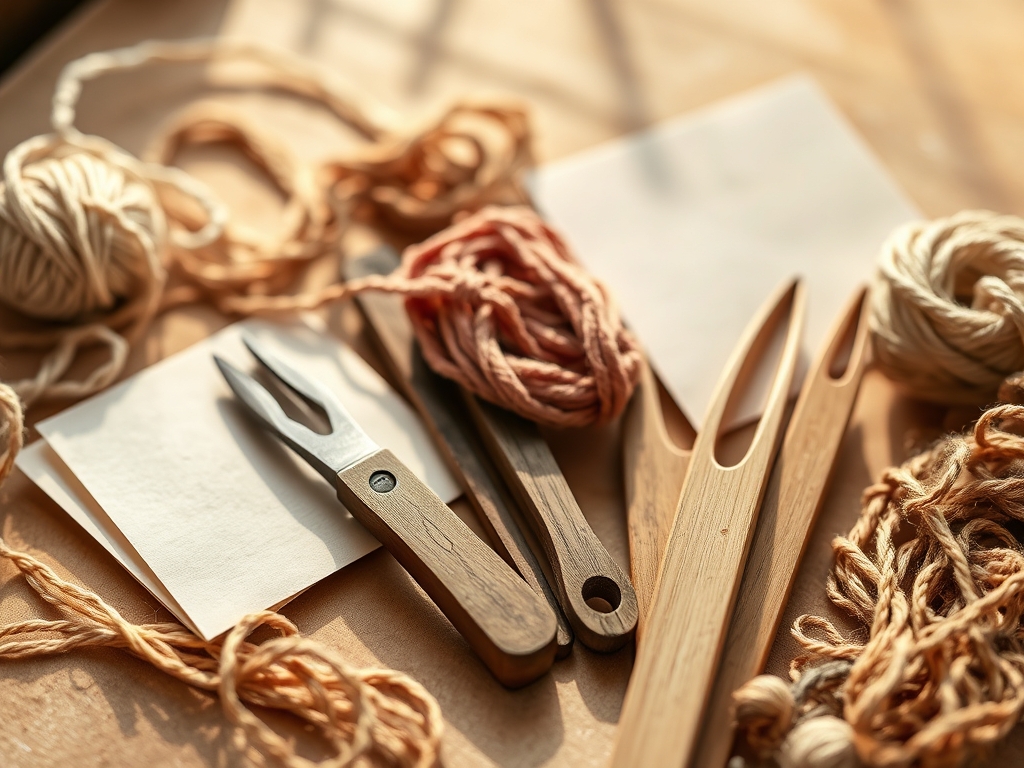
Before we touch a single spool, your bench needs to be a temple of precision. You will need flush cutters that leave a perfectly flat edge; this is vital for ensuring your joins are seamless. Keep a pair of chain nose pliers and round nose pliers within reach. If you want to get technical, use digital calipers to measure your wire diameter to the nearest tenth of a millimeter. This ensures your loops are mathematically consistent across every piece you produce.
For materials, start with 20 gauge and 24 gauge copper wire. Copper is the ultimate teacher because it is affordable and offers a clear tactile feedback when it begins to work harden. If you are looking for Material Substitutions, stainless steel is a fantastic high tension alternative, though it requires significantly more grip strength. For a more luxurious feel, sterling silver offers a buttery response to your burnishing tools. Always keep a nylon jaw plier handy to straighten kinks without marring the surface of your expensive metals.
THE TEMPO
The "Maker's Rhythm" is a real neurological state where your breathing synchronizes with the movement of your tools. For this Daily Jewelry Practice, expect to spend about ten minutes on the warm up phase. This involves simple wire straightening and "warming" the metal with a cloth. The core drilling and wrapping phase will take approximately thirty minutes of intense focus. Finally, allow five minutes for the finishing and burnishing process.
If you rush the tempo, the metal will fight you. When you move too fast, you risk overstressing the wire, leading to micro fractures that compromise the longevity of the piece. Slow, deliberate movements allow you to feel the transition from "dead soft" to "half hard" as the crystalline structure of the metal compresses. This is the sweet spot where the jewelry becomes durable enough for daily wear.
THE CORE METHOD
1. The Perfect Loop Drill
Start by gripping the very tip of your 20 gauge wire with your round nose pliers. Rotate your wrist in a single, fluid motion away from your body. The goal is a circle that is perfectly centered on the wire stem.
Mastery Tip: This relies on the geometric leverage of the tool. If you position the wire too far down the mandrel of the pliers, the loop will be too large; always mark your pliers with a fine liner to ensure consistent diameter.
2. The Herringbone Wrap
Secure a base wire and use a finer 26 gauge wire to orbit the frame. This creates a textured, woven appearance that reinforces the structural integrity of the focal stone or bead.
Mastery Tip: Watch your tension control. If you pull too hard, you will bow the frame wire; if you are too loose, the weave will slide. It is all about maintaining a constant plys per inch.
3. The Briolette Cap
Take a teardrop shaped stone and create a tight coil around the neck. This requires you to manage the friction coefficient between the smooth stone and the metal.
Mastery Tip: Use an awl to tuck the final tail of the wire. This ensures there are no sharp edges that could catch on clothing, a process known as mechanical finishing.
4. The Figure Eight Link
This drill focuses on symmetry. You are creating two identical loops in opposite directions to form a sturdy, decorative link.
Mastery Tip: This exercise improves your bilateral coordination. Use your non dominant hand to stabilize the wire while the dominant hand executes the torque.
5. The Coiled Coil
Wrap a fine wire around a thicker mandrel, then take that entire coil and wrap it again around a frame. This creates incredible visual density and weight.
Mastery Tip: This technique increases the surface area of the metal, which can accelerate patina if you are using oxidizing agents later.
6. The Rosary Link
This is the bread and butter of jewelry making. It involves a simple loop followed by a neat wrap around the stem to "lock" the connection.
Mastery Tip: The science here is mechanical interlocking. The wraps prevent the loop from opening under the weight of the necklace, even if the wire is thin.
7. The Square Wire Twist
Using square wire instead of round, use your pliers to twist the wire along its own axis. This creates a glittering, faceted effect.
Mastery Tip: This changes the moment of inertia of the wire. A twisted square wire is significantly more rigid than a round wire of the same gauge.
8. The Cage Wrap
Encase an irregular object, like a raw crystal, using a series of interlocking loops. This requires you to map the topography of the stone with your wire.
Mastery Tip: Focus on the points of contact. You need at least three points of pressure to secure an object within a wire frame without using adhesives.
9. The Spiral Finish
Create a tight, flat spiral at the end of a project to act as a decorative stop or a focal point.
Mastery Tip: Use a bone folder or nylon pliers to flatten the spiral as you go. This ensures the planarity of the piece, keeping it flush against the skin.
THE TECHNICAL LEDGER
To keep your bench in top shape, you must prioritize Maintenance & Longevity. Your pliers should be oiled monthly with a light machine oil to prevent rust and ensure a smooth pivot. If your cutters become dull, use a diamond hone to restore the edge; a dull cutter crushes the wire instead of shearing it, which ruins the grain direction of the metal.
When it comes to Material Variations, consider using recycled copper from old electronics for practice. For premium projects, use "argentium" silver, which has a higher germanium content and resists tarnishing.
The Correction:
- The Gap: If your loops do not close perfectly, use a "side by side" wiggle with pliers to snap the molecules into alignment.
- The Nick: If you mar the wire, use a high grit sanding stick (400 to 1000 grit) to buff out the scratch, followed by a polishing cloth.
- The Work Hardened Snap: If the wire becomes too brittle, you must anneal it with a torch to reset the grain structure, though for daily practice, it is usually better to start fresh.
Store your finished practice pieces in airtight poly bags with anti tarnish strips. This prevents oxidation from atmospheric moisture, ensuring your Daily Jewelry Practice stays bright and professional.
THE FINAL REVEAL
Look at that! You have just navigated the complex world of metal physics and emerged with a set of skills that would make a master smith proud. Your hands now understand the difference between a forced curve and a natural flow. Those nine drills are not just exercises; they are the building blocks of every masterpiece you will ever create. Feel that weight in your palm? That is the result of precision, patience, and a little bit of scientific magic. Keep that energy high and your pliers sharp!
STUDIO QUESTIONS
Why does my wire keep snapping?
This is usually caused by work hardening. As you bend metal, its crystalline structure compresses and becomes brittle. To fix this, minimize the number of times you manipulate a single area or use a thicker gauge.
How do I get my loops to be the same size?
Consistency is all about mandrel placement. Use a permanent marker to draw a line on your round nose pliers. Always place your wire on that exact mark to ensure every loop has the same mathematical diameter.
What is the best wire for beginners?
Copper is the gold standard for Daily Jewelry Practice. It is inexpensive, has a clear tactile feedback when it hardens, and its medium ductility makes it forgiving for those still developing their grip strength and fine motor skills.
How do I remove tool marks from my wire?
Prevention is best; use nylon jaw pliers for straightening. If marks occur, use a sequence of graduating sandpaper grits followed by a steel burnisher to compress the surface and restore the metallic luster without removing too much material.