

Imagine the smell of fresh cedar shavings hitting the air as you pull a razor sharp blade across a raw surface. There is a specific, electric thrill in feeling the resistance of a high density material give way to your intent. We are moving past mere hobbies today. We are diving into Crafting for Daily Utility to bridge the gap between aesthetic beauty and structural necessity. When you hold a piece of vegetable tanned leather or a heavy gauge copper wire, you are not just playing with scraps; you are engaging with the physics of tensile strength and thermal conductivity. This is about making things that actually work in your life. Whether it is a custom tool roll that survives a decade or a weighted doorstop that utilizes gravity and friction, the satisfaction comes from the weight of the object in your hand. We are going to master the tools that turn raw, unyielding materials into seamless extensions of your home environment. Grab your safety glasses and clear the workbench.
THE STUDIO KIT
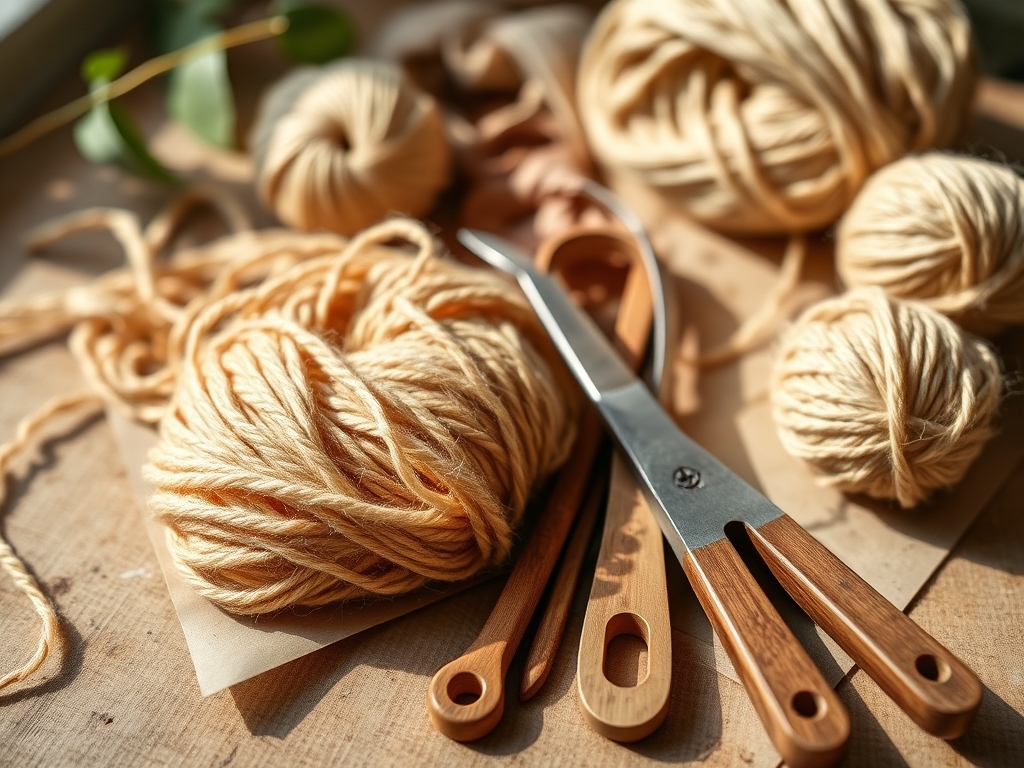
To execute these projects with professional precision, your kit must prioritize mechanical advantage and edge retention. You will need a high carbon steel rotary cutter for clean shear forces on textiles and a diamond tipped awl for piercing dense hides. A digital caliper is non negotiable for measuring material thickness to the nearest thousandth of an inch, ensuring your joints are flush. We also require a bone folder for achieving crisp, molecularly compressed creases in heavy cardstock or leather. For metalwork, a jeweler's saw with varying blade TPI (teeth per inch) allows for intricate cuts without warping the substrate.
Material Substitutions: If you cannot source premium bridle leather, look for recycled rubber gaskets or heavy duty canvas. These offer similar durability and resistance to abrasion. Instead of solid brass hardware, stainless steel provides superior oxidation resistance in high moisture environments like kitchens or bathrooms. Always consider the porosity of your material; if it is too absorbent, a beeswax finish can create a hydrophobic barrier.
THE TEMPO
The Maker's Rhythm is a three phase cycle: The Calibration, The Execution, and The Cure. Expect the initial setup and measurement phase to take approximately forty minutes. This is where you calculate the grain direction of your wood or the warp and weft of your fabric to ensure the final piece does not warp under stress. The Execution phase is the high energy heart of the project, usually lasting two to three hours. This is where the physical labor happens. Finally, the Cure phase is often overlooked but vital. Whether it is letting an adhesive cross link or allowing a wood oil to polymerize, you must give the piece at least twenty four hours to reach its maximum structural integrity. Rushing this stage leads to mechanical failure.
THE CORE METHOD
1. Precision Marking and Scoring
Before the first cut, you must mark your material using a marking gauge or a fine point scribe. Unlike a pencil, a scribe severs the top fibers of the material, which prevents "tear out" when the saw or blade follows. This creates a physical track for your tool, reducing the margin of error significantly.
Mastery Tip: This technique utilizes mechanical registration. By creating a physical groove, you are using the material's own geometry to guide the tool, which is far more accurate than relying on visual alignment alone.
2. Managing Material Grain
When working with organic materials like wood or leather, you must identify the longitudinal axis of the fibers. Cutting against the grain increases resistance and heat buildup, which can dull your tools. Always orient your cuts to follow the natural flow of the material to maintain its inherent tensile strength.
Mastery Tip: Understanding anisotropy is key here. Materials like wood have different physical properties in different directions. Cutting parallel to the grain requires less force and results in a smoother finish because you are not shearing across the vascular bundles.
3. Executing the Compound Cut
For items like custom brackets or utility handles, you may need a compound cut. This involves changing the angle of the blade in two planes simultaneously. Use a miter box or a protractor to lock in your angles. This ensures that when two pieces meet, the surface area for bonding is maximized.
Mastery Tip: Maximizing the surface area of the interface increases the efficacy of your fasteners or adhesives. A larger contact patch distributes mechanical stress more evenly across the joint, preventing localized fractures.
4. Controlled Abrasion and Smoothing
Once the shape is established, you must move through a sequence of abrasive grits. Start with a coarse 80 grit to remove tool marks and progress to a 400 grit for a polished finish. This is not just for looks; a smooth surface reduces the number of "stress risers" where cracks could potentially start.
Mastery Tip: This process relies on friction and heat. As you sand, you are essentially leveling the microscopic peaks of the material. A smoother surface has less surface energy, making it more resistant to dirt and moisture accumulation.
5. Mechanical Fastening
When joining materials, choose your fasteners based on the gauge and the load bearing requirements. If you are using rivets, ensure the hole is exactly the diameter of the rivet shank to prevent shifting. For screws, always drill a pilot hole to prevent the material from splitting due to internal hoop stress.
Mastery Tip: The science of clamping force is what holds your project together. A fastener works by creating tension that pulls two surfaces together, utilizing the friction between those surfaces to resist lateral movement.
6. Surface Polymerization and Sealing
The final step is applying a protective layer. For utility items, a penetrating oil or a wax finish is superior to a surface film like lacquer. These finishes bond with the fibers of the material, allowing it to breathe while still providing a barrier against oxidation and rot.
Mastery Tip: This involves capillary action. The finish is drawn into the microscopic pores of the material, displacing air and moisture. Once it hardens, it creates a composite structure that is significantly more durable than the raw material.
THE TECHNICAL LEDGER
Maintenance & Longevity: To keep your utility crafts in peak condition, apply a fresh coat of mineral oil or beeswax every six months. This prevents the material from becoming brittle. Inspect all mechanical joints for signs of fatigue or loosening.
Material Variations:
- Sustainable: Bamboo ply offers incredible strength to weight ratios and grows rapidly.
- Recycled: High density polyethylene (HDPE) from milk jugs can be melted and machined like wood.
- Premium: Grade 5 Titanium or 316 Stainless Steel for hardware that will never corrode.
The Correction:
- The Gap: If a joint has a gap, do not just fill it with glue. Mix fine sawdust from the project with adhesive to create a structural filler that matches the color and density.
- The Dull Blade: If your cuts are ragged, your blade is likely dull. Use a honing strobe with green chromium oxide paste to realign the microscopic edge of your tool.
- The Warp: If a flat board curls, it is likely due to uneven moisture loss. Wet the concave side and apply heat to pull the fibers back into alignment.
Studio Organization: Store your materials in a climate controlled environment with a steady humidity level of forty percent. Use vertical racks for sheet goods to prevent sagging under their own weight. Keep your precision tools like calipers in padded cases to maintain their calibration.
THE FINAL REVEAL
Look at that! You have transformed a chaotic pile of raw components into a functional masterpiece. The weight is balanced; the edges are burnished to a mirror shine; and every fastener is seated with surgical precision. This is the essence of Crafting for Daily Utility. You are no longer just a consumer of objects; you are a creator of solutions. When you use this piece tomorrow morning, you will feel the difference that high quality craftsmanship makes. It is sturdy, it is smart, and it is uniquely yours.
STUDIO QUESTIONS
What is the best way to prevent wood from splitting?
Always drill a pilot hole that matches the inner diameter of the screw threads. This removes material rather than displacing it, which significantly reduces the internal pressure and prevents the wood fibers from shearing apart under the stress.
How do I choose the right leather thickness?
Leather is measured in ounces, where one ounce equals 1/64th of an inch. For heavy utility items like belts or tool pouches, use 8 to 10 ounce leather. For lighter items like wallets, 3 to 4 ounce leather is ideal.
Can I use a rotary cutter on wood?
No, rotary cutters are designed for flexible substrates like fabric or thin leather. Using one on wood will destroy the blade edge instantly. Use a Japanese pull saw or a specialized marking knife for precision wood scoring instead.
What does burnishing actually do to an edge?
Burnishing uses friction to compress the fibers at the edge of a material. This creates a smooth, hardened surface that is more resistant to wear and moisture. It effectively seals the edge without the need for heavy chemical coatings.