Imagine the satisfying resistance of a cold-pressed oil meeting the velvet texture of a finely milled botanical powder. There is a specific, tactile thrill in feeling the viscosity of raw lipids change as they emulsify under your hand. When you dive into Handmade Natural Skincare, you are not just mixing ingredients; you are manipulating the molecular structural integrity of plant based compounds to suit your unique biology. We are talking about the gorgeous intersection of organic chemistry and artisan luxury. Forget the mass produced bottles that sit on shelves for years; we are hunting for that fresh, bioavailable spark that only comes from small batch creation. Your skin is a porous, living organ with its own complex ecosystem, and it deserves a formulation that respects its delicate pH balance. As we prep our studio space, notice the aromatic profile of the resins and dried petals. They carry a specific density and moisture content that will dictate the success of our final product. Let us get our hands messy and our science precise.
THE STUDIO KIT
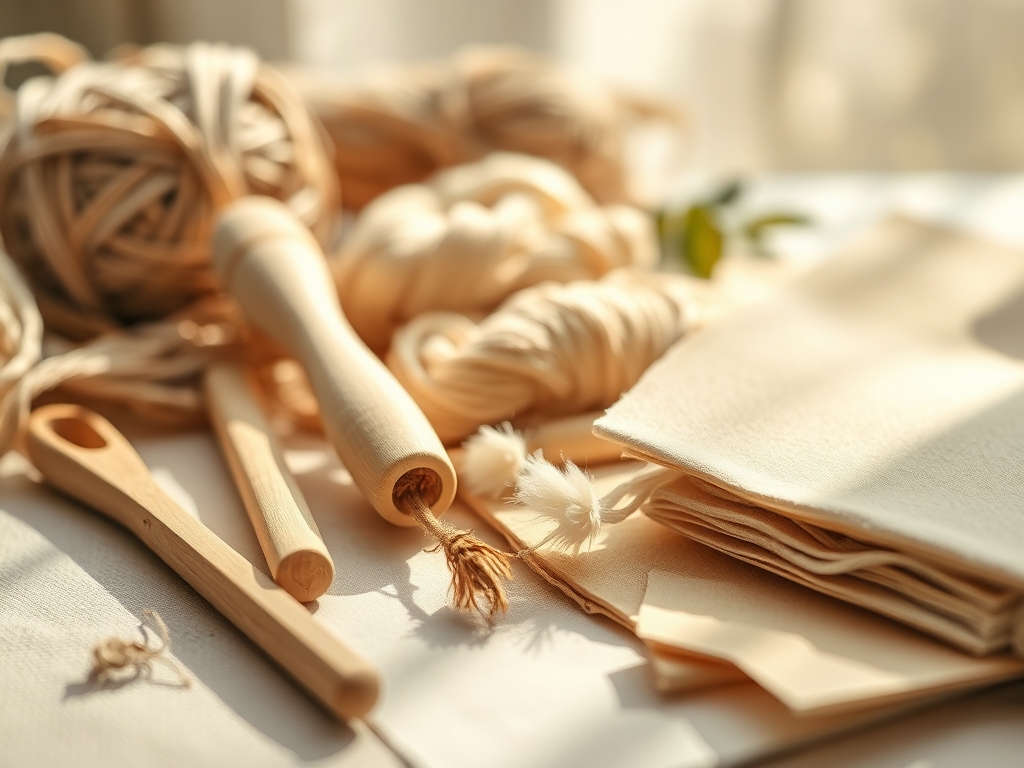
To master the art of the apothecary, you need a kit that prioritizes precision and hygiene. Your primary tool is a high resolution digital scale; measuring by volume is for amateurs, whereas measuring by mass ensures the exact ply and potency of your emulsions. You will also need a stainless steel double boiler to manage heat transfer without scorching delicate botanical oils. For blending, a high speed immersion blender is essential to achieve a stable suspension of water and oil molecules. Use a fine mesh chinois for straining infused oils to ensure no particulate matter remains to compromise the tactile smoothness of your creams.
Material Substitutions: If you lack a professional glass stirring rod, a stainless steel lab spatula works beautifully to agitate mixtures without introducing air bubbles. If organic jojoba oil is unavailable, meadowfoam seed oil offers a similar oxidative stability and a nearly identical lipid profile. For those avoiding beeswax, candelilla wax provides the necessary tensile strength for balms, though you must reduce the ratio by half due to its higher melting point and harder crystalline structure.
THE TEMPO
Creating professional grade skincare follows a specific Maker's Rhythm that cannot be rushed. The first phase is the Infusion Cycle, which typically requires 24 to 48 hours if using a heat assisted method, or up to six weeks for a cold solar infusion. This allows the solvent to penetrate the cell walls of the botanicals via capillary action. The second phase is the Formulation Sprint, a high energy 60 minute window where you heat, blend, and emulsify your active ingredients. Finally, there is the Stabilization Period. Your products need 12 to 24 hours to reach their final viscosity and for the molecular bonds to set. Rushing this final stage often leads to phase separation or a grainy texture as the fats crystallize at different rates.
THE CORE METHOD
1. The Botanical Oil Infusion
Select your base lipid, such as sweet almond oil, and submerge dried calendula or rose petals. Ensure the herbs are fully desiccated to prevent microbial growth. Use a low, consistent heat source to encourage the phytochemicals to migrate from the plant matter into the oil.
Mastery Tip: This process relies on solubility. By maintaining a temperature between 100 and 110 degrees Fahrenheit, you decrease the oil's viscosity, allowing it to better penetrate the porous plant fibers without degrading the heat sensitive antioxidants.
2. Aqueous Phase Preparation
In a separate sterilized vessel, combine your distilled water or hydrosol with water soluble actives like vegetable glycerin or aloe vera concentrate. Heat this phase to match the temperature of your oil phase exactly to prevent thermal shock during the merger.
Mastery Tip: Surface tension is your enemy here. Adding a humectant like glycerin helps bridge the gap between the water molecules and the oil, preparing the mixture for a successful emulsion.
3. The High Shear Emulsification
Slowly pour your oil phase into the aqueous phase while running your immersion blender at a high RPM. Watch for the "trace" where the liquid transforms into a thick, opaque cream. This is the moment where the emulsifier creates a bridge between the polar and non polar molecules.
Mastery Tip: The science of kinetic energy is at play. High shear blending breaks the oil into microscopic droplets, increasing the surface area and allowing the emulsifying wax to coat each droplet, preventing them from coalescing back into a separate layer.
4. Cooling and Essential Oil Integration
Once the emulsion has cooled to below 100 degrees Fahrenheit, fold in your essential oils and natural preservatives. Adding these too early will cause the volatile aromatic compounds to evaporate, stripping the product of its therapeutic benefits.
Mastery Tip: This is known as the "cool down phase." It is vital for maintaining the structural integrity of the preservative system, which can be heat deactivated if introduced to a boiling mixture.
5. pH Calibration and Bottling
Use a calibrated pH meter to ensure your Handmade Natural Skincare falls between 4.5 and 5.5. This matches the skin's natural acid mantle. Once verified, transfer the product into amber glass jars to protect the light sensitive ingredients from UV degradation.
Mastery Tip: A balanced pH is crucial for the skin's barrier function. If the product is too alkaline, it disrupts the lipid bilayer, leading to trans-epidermal water loss and irritation.
THE TECHNICAL LEDGER
Maintenance of your studio is just as important as the crafting itself. All tools must be sanitized with 70 percent isopropyl alcohol to ensure no cross contamination occurs. For longevity, store your finished products in a cool, dark environment; heat is the primary catalyst for oxidation, which turns beautiful oils rancid.
Material Variations:
- Sustainable: Use locally sourced sunflower oil and upcycled fruit seeds for exfoliants.
- Recycled: Repurpose glass cosmetic jars by boiling them to remove residual adhesives and bacteria.
- Premium: Incorporate rare botanicals like prickly pear seed oil or neroli blossoms for a high gauge, luxury skin feel.
The Correction:
- Grainy Butter: If your shea butter feels gritty, it cooled too slowly. Fix this by reheating the mixture and flash cooling it in the freezer to force even crystallization.
- Phase Separation: If water is pooling at the bottom, your emulsion failed. Reheat both phases, add 1 percent more emulsifying wax, and re-blend at high shear.
- Thin Viscosity: If your cream is too runny, the ratio of liquid to solid fats is off. Melt a small amount of cetyl alcohol or stearic acid into the oil phase to increase the structural density.
Studio Organization: Use a modular shelving system to separate your "Dry Zone" (herbs and powders) from your "Wet Zone" (oils and hydrosols). Label every ingredient with its batch number and expiration date to maintain a professional inventory.
THE FINAL REVEAL
Look at that glow! Your finished Handmade Natural Skincare should have a consistent, creamy texture that absorbs into the dermis without leaving a greasy residue. When you apply it, notice how the ergonomic slip of the cream allows it to glide over the skin's surface before the humectants pull the moisture deep into the tissue. You have successfully engineered a professional grade product that rivals any high end boutique brand. The vibrancy of the botanicals and the precision of your measurements have resulted in a skincare ritual that is as effective as it is beautiful.
STUDIO QUESTIONS
What is the shelf life of handmade skincare?
Without synthetic stabilizers, most handmade products last three to six months. Using a natural broad spectrum preservative and storing items in a cool, dark place prevents microbial growth and oxidation of the delicate botanical lipids.
Why did my homemade lotion separate?
Separation usually occurs due to an unstable emulsion. This happens if the oil and water phases were different temperatures during mixing or if the shear force from the blender was insufficient to break down the oil droplets.
Can I use tap water in my recipes?
Never use tap water for skincare. It contains minerals and bacteria that trigger rapid spoilage. Always use distilled water or a sterile hydrosol to ensure your formulation remains pure and the preservative system functions correctly.
How do I choose the right carrier oil?
Select oils based on their comedogenic rating and fatty acid profile. Oily skin benefits from high linoleic acid oils like hemp seed, while dry skin requires the occlusive properties of high oleic acid oils like avocado or olive.