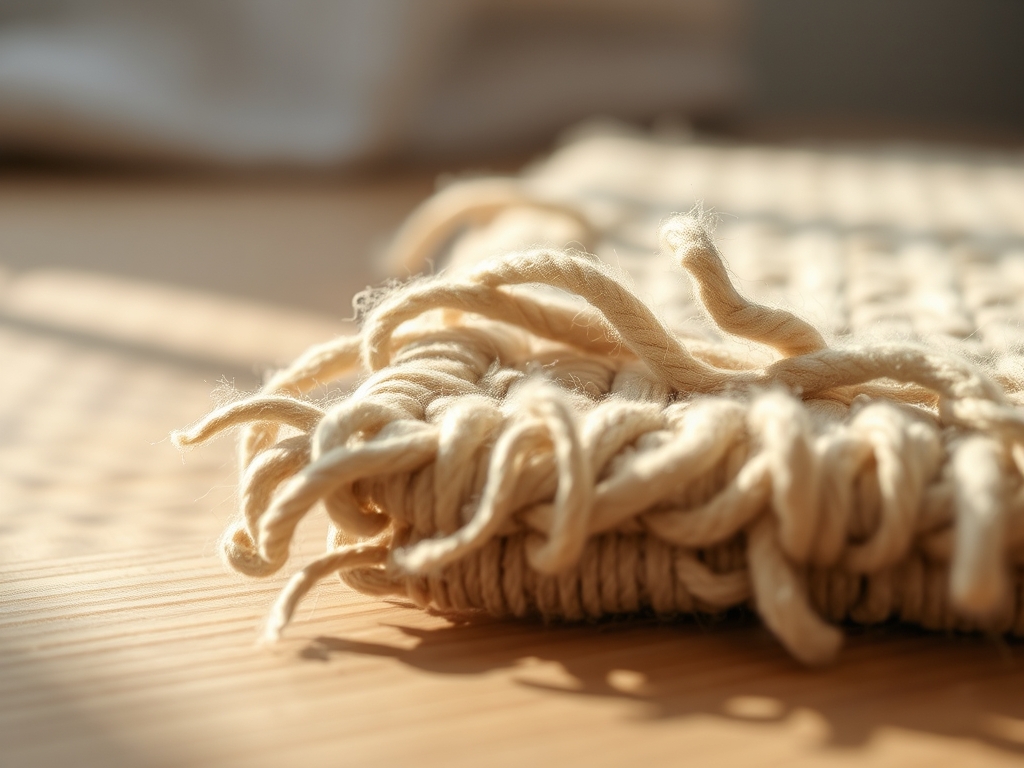
Imagine the raw, unbleached scent of organic fiber meeting the humid air of your morning sanctuary. There is a specific, tactile magic in the way Handmade Cotton Rugs greet your feet; it is a grounding transition from the dream world to the cold reality of tile. We are talking about high-density, long-staple cotton that possesses a remarkable tensile strength, capable of absorbing three times its weight in moisture without feeling soggy. When you weave your own, you are not just making decor; you are engineering a functional moisture-wicking system. The fibers are porous and breathable, allowing for rapid evaporation that prevents the growth of mildew in high-humidity environments. As we dive into these eight patterns, think about the structural integrity of every loop and the way the ply of the yarn creates a soft, architectural landscape underfoot. This is where high-end textile physics meets the cozy comfort of your home. We are about to transform a simple spool of cord into a masterpiece of domestic engineering.
THE STUDIO KIT
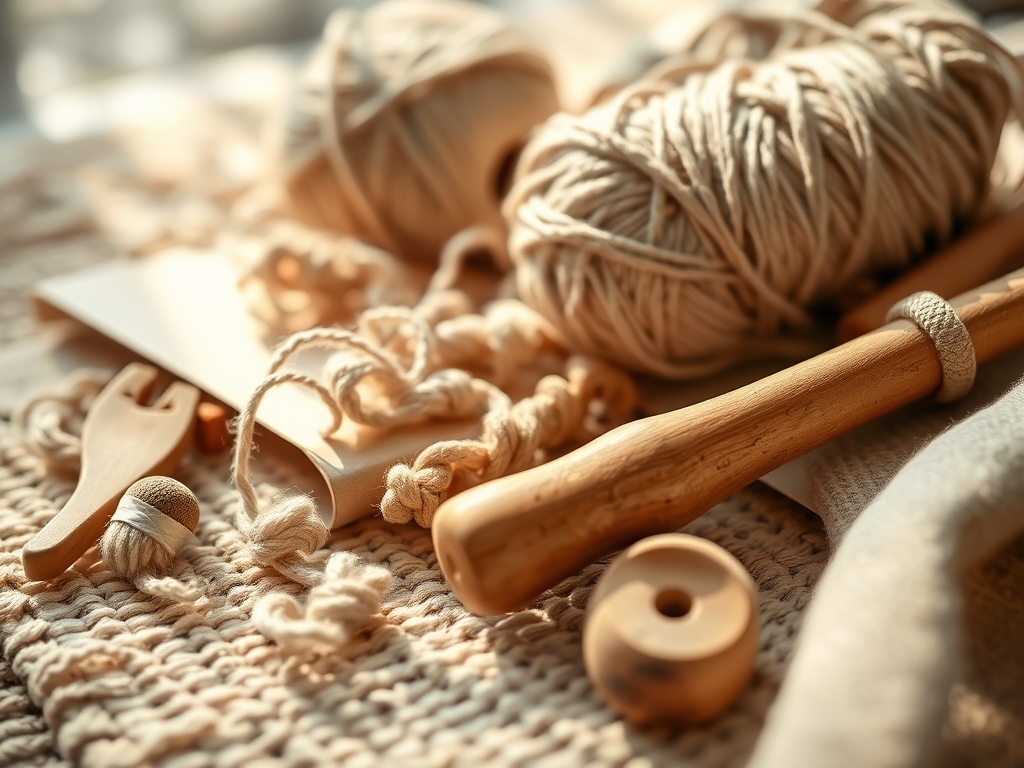
To execute these patterns with professional precision, your toolkit must be curated for ergonomic efficiency and material longevity. You will need a high-torque rotary cutter with a fresh 45mm tungsten carbide blade to ensure clean, fray-free edges. A stainless steel tailor's awl is essential for manipulating tight weaves and clearing space for heavy-gauge needles. For measuring, skip the flimsy tapes and use a hardened steel ruler or digital calipers to maintain a consistent gauge throughout the project.
Your primary material is 100 percent cotton rope or heavy-duty rug yarn. Look for a multi-ply construction which offers superior rebound resilience. If you cannot find premium cotton cord, your Material Substitutions include recycled t-shirt yarn for a chunkier, more elastic feel, or hemp cord for a rugged, antimicrobial alternative. Always keep a bone folder nearby to burnish your seams and flatten the weave, ensuring the rug sits flush against the floor to prevent tripping hazards.
THE TEMPO
The creation of Handmade Cotton Rugs follows a specific Maker's Rhythm that balances physical exertion with meditative repetition. Phase one is the Preparation Phase, which takes approximately sixty minutes. This involves tensioning your loom or prepping your warp threads; this is the structural foundation where you calculate the shrinkage allowance. Phase two is the Active Weave, the longest stretch, requiring four to eight hours depending on the complexity of your chosen pattern. During this time, your hands will find a mechanical flow, a steady cadence of "over-under" that regulates the fiber density. Finally, the Finishing Phase takes ninety minutes. This is where you secure the ends, trim the fringe, and perform a final steam-blocking to set the fibers in their permanent orientation. Respecting this tempo prevents hand fatigue and ensures the structural integrity of the textile.
THE CORE METHOD
1. The Classic Herringbone
This pattern utilizes a diagonal weave that maximizes lateral stability. By shifting the intersection point of the weft by one thread in each row, you create a "V" shape that directs water flow along the channels of the fiber.
Mastery Tip: Pay attention to the warp tension. If the vertical threads are too loose, the herringbone will lose its geometric crispness and sag over time due to the weight of absorbed water.
2. The High-Loft Seed Stitch
This involves alternating knit and purl-style loops to create a pebbled surface. It increases the total surface area of the rug, which enhances its capillary action, drawing moisture away from the skin faster than a flat weave.
Mastery Tip: Use your calipers to check the height of your loops every five rows. Consistency in loft ensures an even distribution of weight, preventing premature wear on high-pressure points.
3. The Triple-Strand Braid
By braiding three thick cotton cords before coiling them into a circular shape, you create a rug with massive compressive strength. This is the tank of the rug world; it is nearly indestructible and provides a deep, massaging texture.
Mastery Tip: When coiling the braid, use a heavy-duty upholstery needle to sew the edges together. The "zig-zag" stitch should penetrate the core of the braid to ensure the rug does not "telescope" or cone upward when stepped on.
4. The Geometric Twill
Twill patterns are characterized by their diagonal ribs. This structure is inherently more flexible than a plain weave, making it perfect for rugs that need to be rolled or moved frequently without developing permanent creases.
Mastery Tip: The angle of the diagonal is determined by how many warp threads you skip. A 2/2 twill offers the best balance of flexibility and durability for bathroom environments.
5. The Tunisian Honeycomb
This hybrid crochet-weave technique creates a thick, cellular structure. These "cells" trap air, providing excellent thermal insulation against cold bathroom tiles while acting as mini-reservoirs for moisture.
Mastery Tip: Cotton has zero "memory" compared to wool. You must over-tighten your return pass slightly to account for the natural relaxation of the cotton fibers after the first wash.
6. The Interlocking Chevron
Similar to the herringbone but on a larger scale, the chevron uses color blocking to highlight the grain direction. This pattern is ideal for using up scrap materials of different colors while maintaining a high-end aesthetic.
Mastery Tip: Ensure all your yarns have the same twist direction (S-twist or Z-twist). Mixing twist directions in a chevron can cause the rug to warp or curl at the corners due to unbalanced internal torque.
7. The Double-Walled Basketweave
By grouping threads into bundles of four or more, you create a checkerboard effect with significant bulk density. This pattern is exceptionally soft and provides a "sinking" feeling that is the height of luxury.
Mastery Tip: Use a tapestry beater or a heavy comb to pack the weft tightly. A loose basketweave will trap debris and hair, making it difficult to clean and reducing the hygienic properties of the cotton.
8. The Concentric Mandala
Starting from a center point and working outward, this pattern uses radial symmetry. It is mathematically satisfying and ensures that the tensile loads are distributed equally from the center to the perimeter.
Mastery Tip: As the circumference increases, you must add "increase" stitches with mathematical precision. Use a protractor to mark your increase points to prevent the edges from "ruffling" or waving.
THE TECHNICAL LEDGER
To maintain your Handmade Cotton Rugs, you must understand the science of cellulose fibers. Cotton shrinks when exposed to high heat, so always wash in cool water and air dry to maintain the dimensional stability. Over time, the fibers may "pill" or develop fuzz; use a sharp fabric shaver or a precision rotary blade to trim these away and restore the clean profile of the weave.
Material Variations:
- Sustainable: Organic, GOTS-certified cotton uses 91 percent less water in production.
- Recycled: Salvaged denim strips offer a high-friction surface that is naturally slip-resistant.
- Premium: Mercerized cotton has been treated with sodium hydroxide to increase luster and dye affinity.
The Correction:
- The Edge Curl: If your rug corners lift, the tension on your edges is too high. Fix: Use a steam iron and a heavy weight to "set" the fibers in a flat position.
- The Gap: If you see daylight through your weave, your weft density is too low. Fix: Use an awl to compress the rows downward and add an extra "filler" row of yarn.
- The Slip: Cotton on tile can be dangerous. Fix: Apply a thin bead of 100 percent silicone caulk to the underside in a grid pattern to create a permanent non-slip backing.
Studio Organization: Store your extra cotton cord in airtight bins to prevent it from absorbing ambient moisture, which can lead to "storage rot" or a musty scent before you even begin your project. Hang your finished rugs on a heavy-duty dowel rather than folding them to avoid breaking the internal fibers at the crease lines.
THE FINAL REVEAL
There is nothing quite like the moment you lay your finished rug down and step onto it for the first time. The weight of the Handmade Cotton Rugs feels substantial; it is a physical manifestation of hours of focused engineering and creative flow. The pattern is crisp, the texture is inviting, and the knowledge that you built this from the fiber up adds a layer of satisfaction that no store-bought item could ever replicate. Your bathroom is no longer just a utility room; it is a curated gallery of your own making.
STUDIO QUESTIONS
Which cotton is best for high-traffic bathrooms?
Choose a multi-ply cord with a tight twist. This increases the abrasion resistance of the rug, ensuring the fibers do not fray or flatten under the constant pressure of daily use.
How do I prevent my handmade rug from smelling?
Ensure your weave is not too dense. A breathable structure allows air to circulate through the fibers, which facilitates rapid drying and prevents the anaerobic bacteria that cause damp odors from colonizing.
Can I mix different brands of cotton yarn?
Only if the yarn weight and fiber content are identical. Different brands may have varying shrinkage rates, which can cause the rug to distort or pucker unevenly after the first laundry cycle.
Is a loom required for these patterns?
No, many of these can be achieved using hand-weaving or crochet techniques. However, using a simple frame loom helps maintain consistent lateral tension, resulting in a more professional, squared-off finish.