Grab your favorite nib and settle in because we are about to turn your desk into a high performance physics lab. There is a specific, electric hum that happens when your Daily Calligraphy Practice hits that perfect stride; it is the moment where the friction of the paper meets the fluid dynamics of the ink. You feel it in your fingertips before you see it on the page.
We are not just doodling here. We are mastering the art of controlled fluid delivery across a porous landscape. When you dip that metal reservoir into a well of walnut ink, you are engaging with surface tension and atmospheric pressure. If your hand is shaking or the ink is globbing, it is not a lack of talent; it is a mechanical failure. We are going to fix your internal calibration today. By the time we are done, your muscle memory will be so sharp that your hand will feel like a precision instrument, carving elegant arcs out of thin air. Let us get into the grit of the grain and the soul of the stroke.
THE STUDIO KIT
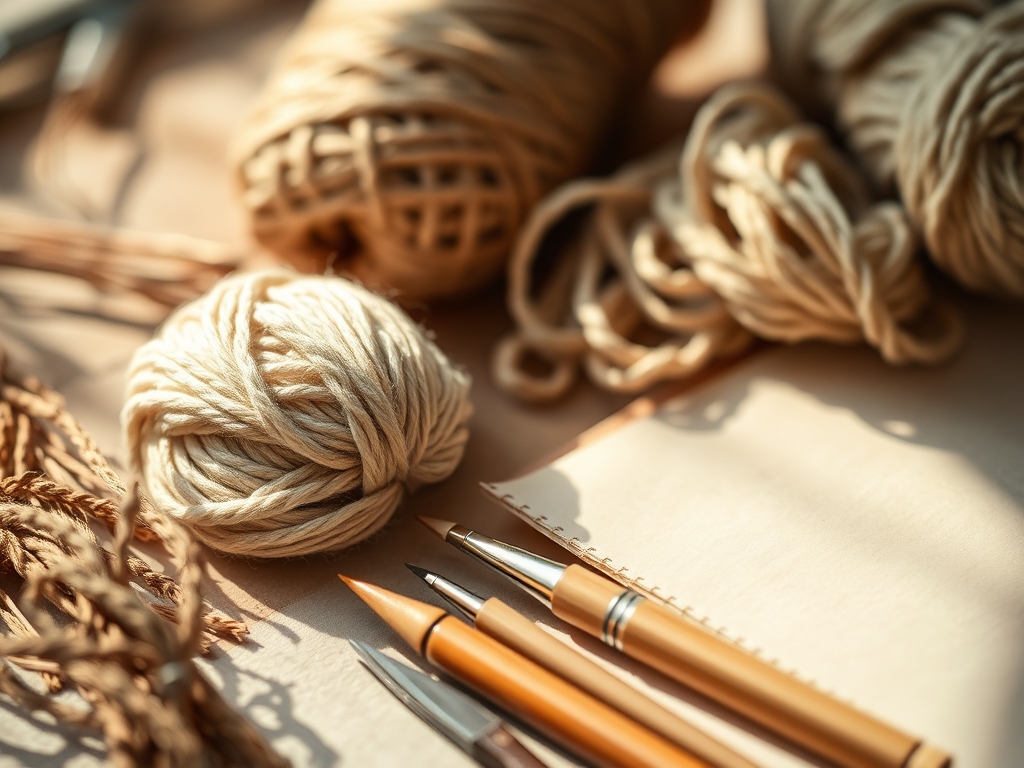
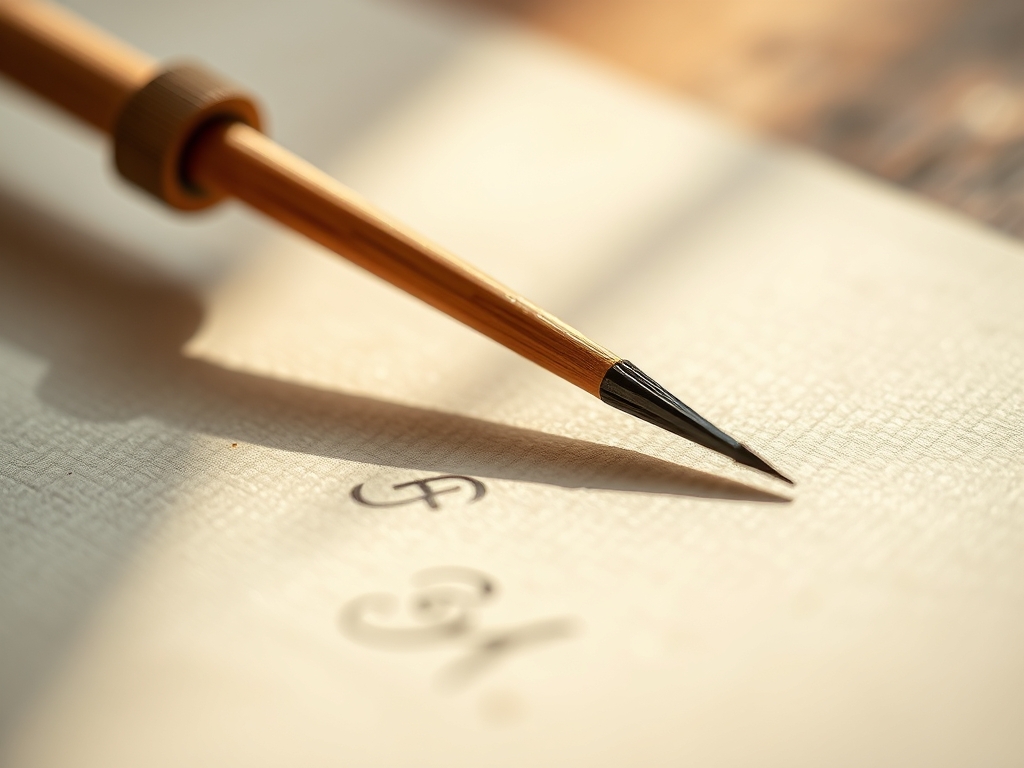
To master ink flow, you need a kit that respects the laws of physics. Your primary tool is the oblique or straight pen staff, preferably one with an ergonomic grip to reduce fatigue. The nib is the star of the show; I recommend a Zebra G or a Hunt 101. These are made of high grade steel with specific tensile strength that dictates how much the tines will spread under pressure.
You also need high quality paper. Look for something with a high gsm (grams per square meter), like Rhodia or Clairefontaine. These papers are "sized," meaning they have a coating that prevents the ink from feathering into the fibers. For your ink, a professional grade iron gall or a finely ground carbon soot pigment is essential. These inks have a specific viscosity that allows them to cling to the metal tines without immediately succumbing to gravity.
Material Substitutions: If you cannot find professional calligraphy paper, a heavy weight laser printer paper (32lb) works in a pinch because of its smooth surface finish. If you lack a proper pen cleaner, a 50/50 mix of distilled water and isopropyl alcohol will strip dried pigment without corroding the metal. Always keep a lint free microfiber cloth nearby; a single stray fiber caught in your nib will ruin the capillary action and cause a massive ink blot.
THE TEMPO
The Maker's Rhythm is not about speed; it is about the frequency of movement. Your Daily Calligraphy Practice should be divided into three distinct phases. First is the Calibration Phase (5 minutes), where you perform "ovals" and "push pulls" to warm up the small muscles in your hand and check the ink's flow rate.
Next is the Execution Phase (20 to 40 minutes). This is where the deep work happens. You should aim for a slow, rhythmic pace; roughly one full stroke every three to five seconds. This allows the ink to travel from the reservoir to the tip at a consistent speed. Finally, the Maintenance Phase (5 minutes) involves cleaning your nibs with a soft brush and drying them thoroughly to prevent oxidation. Total time: 30 to 50 minutes of focused, meditative engineering.
THE CORE METHOD
1. Preparing the Nib Surface
New nibs come coated in a thin layer of industrial oil to prevent rust. If you do not remove this, your ink will bead up and fall off in a giant puddle. Use a soft toothbrush and a dab of toothpaste to gently scrub the nib. This increases the surface energy of the metal, allowing the ink to spread in a thin, even film.
Mastery Tip: This process is all about adhesion physics. By removing the hydrophobic oil layer, you allow the ink to form a "meniscus" against the steel. Without this, the gravitational pull on the ink droplet exceeds the molecular attraction to the nib, leading to inconsistent delivery.
2. Managing the Load
When dipping your pen, only submerge the nib up to the "eye" or the vent hole. This hole acts as a secondary reservoir and a pressure relief valve. If you dip too deep, ink gets trapped in the pen staff, leading to a messy capillary creep that will eventually stain your fingers and your paper.
Mastery Tip: The vent hole utilizes capillary action to hold a specific volume of fluid against gravity. By loading only to this point, you maintain a balanced hydrostatic pressure, ensuring the ink flows only when the tines are parted.
3. The Angle of Attack
Hold your pen at a 45 degree angle to the paper. If the angle is too steep, the nib will scratch the paper fibers, creating "railroading" where the ink splits into two thin lines. If the angle is too shallow, the ink will pool. Use a bone folder to crease your practice sheets beforehand so they lay perfectly flat; any ripple in the paper changes your contact angle.
Mastery Tip: This is a matter of mechanical leverage. A 45 degree angle optimizes the distribution of force across the iridium tip of the nib, ensuring that the tines spread symmetrically. This symmetry is vital for maintaining a consistent "flow channel" for the pigment.
4. Pressure Modulation for Line Variation
Calligraphy is the dance between thin hairlines and thick swells. To get those juicy downstrokes, you must apply downward pressure on the "shade." This requires a steady hand and a relaxed grip. If you squeeze the pen too hard, you lose the tactile feedback from the paper.
Mastery Tip: The elastic modulus of your nib determines how much it will flex. When you apply pressure, you are physically deforming the steel. The ink follows the opening tines due to fluid surface tension. As soon as you release pressure, the tines snap back, "cutting off" the flow to create a sharp hairline.
5. Consistent Cleaning Intervals
Every ten minutes, wipe your nib clean. Ink begins to evaporate the moment it hits the air, which increases its viscosity and makes it "gummy." A gummy ink will not flow smoothly, causing your hairlines to look ragged.
Mastery Tip: This is a battle against evaporative cooling and solute concentration. As the water in the ink evaporates, the ratio of pigment to binder increases. By wiping the nib, you reset the chemical balance, ensuring the rheology of the fluid remains constant throughout your session.
THE TECHNICAL LEDGER
Maintenance & Longevity: Never leave your nibs soaking in water; they will rust within hours. After every session, dry them and store them in a container with a small packet of silica gel to absorb ambient moisture. For your pen staff, occasionally rub it with a bit of beeswax to maintain the wood's structural integrity.
Material Variations:
- Sustainable: Use handmade hemp paper, which has a beautiful toothy texture but requires a thicker ink to prevent bleeding.
- Recycled: Old maps or book pages can be used if you prime them with a "clear gesso" to reduce porosity.
- Premium: Vellum offers a non porous surface that allows ink to sit on top, creating incredible shine and depth.
The Correction:
- The Blob: If ink dumps instantly, your nib is likely oily or you are using too much pressure on the upstroke. Fix: Re-clean the nib and lighten your touch.
- The Scratch: If the nib catches on the paper, your angle is too steep. Fix: Lower the pen staff closer to the table.
- The Fade: If the ink stops mid stroke, there is a clog or a fiber in the tines. Fix: Use an awl or a fine needle to gently clear the slit.
Studio Organization: Store your paper flat in a cool, dry drawer. Vertical storage can cause paper to "set" with a curve, which ruins the contact angle of your nib. Keep your inks in airtight jars to prevent the solvent from evaporating.
THE FINAL REVEAL
Look at that page! When you master the physics of your Daily Calligraphy Practice, the results are nothing short of magical. You have moved past just "writing" and into the realm of precision engineering. Those swells are thick and velvety, the hairlines are as sharp as a razor's edge, and the rhythm of your hand is visible in every loop. There is a profound satisfaction in knowing that you controlled the fluid, the friction, and the flex to create something beautiful. Keep that momentum going; your muscles are now wired for elegance.
STUDIO QUESTIONS
How do I stop my ink from feathering?
Feathering is caused by high paper porosity. Switch to a "sized" paper or add a tiny drop of gum arabic to your ink to increase its viscosity and prevent it from soaking into the fibers too quickly.
Why does my nib feel scratchy on the upstroke?
You are likely applying too much pressure or holding the pen at a vertical gauge that is too high. Lighten your touch until the nib barely grazes the surface; the upstroke should be effortless.
Can I use fountain pen ink for dip pens?
Generally, no. Fountain pen ink has a very low surface tension designed to flow through a feed. For dip pens, you need a thicker ink that can hang onto the nib without dripping.
How often should I replace my calligraphy nib?
Replace it when you notice the tensile strength fading or the tip becoming "scratchy" despite cleaning. For daily use, a steel nib usually lasts about 15 to 25 hours of active writing time.
What is the best way to store mixed inks?
Store them in small glass jars with an airtight seal. If the ink thickens over time, add a single drop of distilled water to restore the original flow characteristics and maintain proper consistency.