Close your eyes and imagine the friction of raw linen against your fingertips or the cool, dense weight of a jeweler's saw resting in your palm. There is a profound biological shift that occurs when we transition from digital scrolling to tactile creation. Engaging in crafting for self care is not just a hobby; it is a neurological recalibration that lowers cortisol through repetitive, fine motor movements. When you handle high quality materials like heavy gauge copper or open pore cedar, you are engaging with the physical laws of the universe. The resistance of the grain and the surface tension of liquid dyes provide a grounding reality that pixels simply cannot replicate. We are going into the studio today to build five specific artifacts designed to soothe the nervous system while challenging the intellect. This is about the marriage of high level physics and deep emotional restoration. We are looking for that perfect flow state where the ticking of the clock fades behind the rhythmic sound of a bone folder creasing heavy cardstock.
THE STUDIO KIT
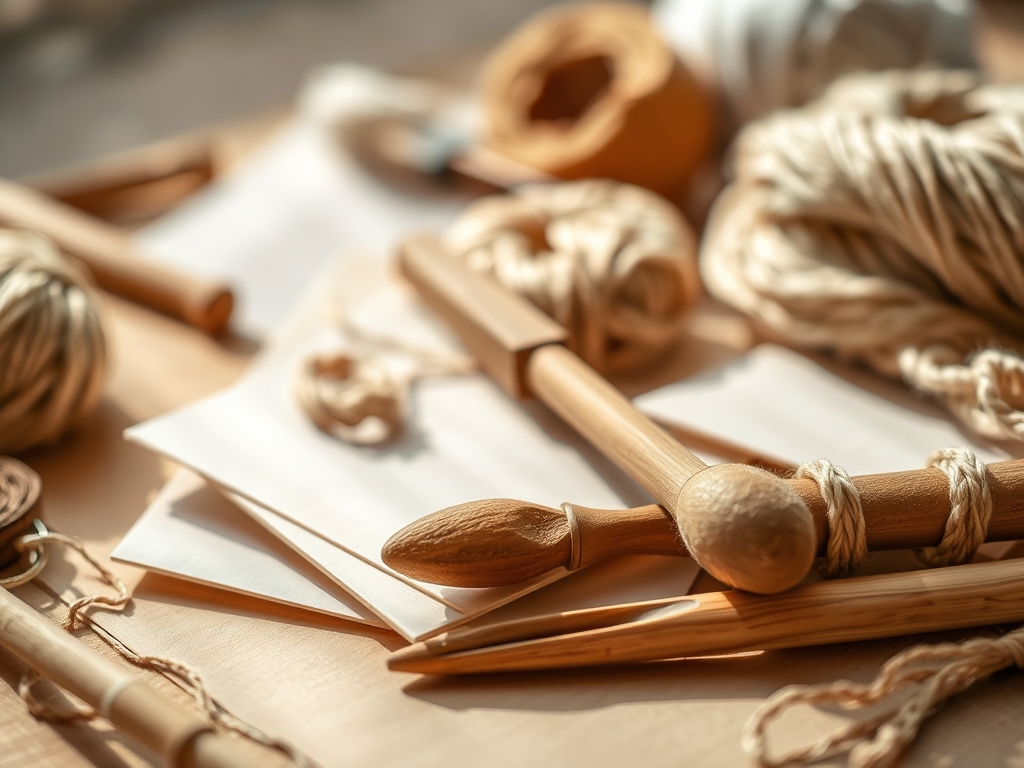
To execute these projects with professional precision, your workbench requires a specific set of instruments. You will need a **rotary cutter** with a tungsten carbide blade for clean, shear force cuts on textiles. For the botanical elements, a pair of **ergonomic micro tip snips** is essential to avoid crushing the vascular tissue of the plants. If you are working with clay or wax, a **calibrated digital thermometer** ensures you reach the exact melting point without scorching the delicate lipids. We also need a **bone folder** made of genuine ox bone; its density allows you to burnish edges without leaving the shiny residue that plastic alternatives often produce.
Material Substitutions: If you cannot source organic beeswax for the candles, soy wax is a viable alternative, though it has a lower melting point and different contraction rates during cooling. Instead of high end linen, a heavy weight cotton canvas works well, provided you account for the higher absorbency rate when applying pigments. Always check the ply count of your threads; a 3 ply waxed polyester is the gold standard for structural integrity in hand stitched items.
THE TEMPO
The maker's rhythm is a three phase cycle: the Preparation, the Flow, and the Curing. The Preparation phase takes approximately forty five minutes and involves calibrating your tools and organizing your workspace to minimize cognitive load. The Flow state is the core of the project, lasting between two to four hours depending on the complexity of the tensile maneuvers required. Finally, the Curing phase is the most overlooked. Whether it is the evaporation of moisture from a ceramic piece or the setting of a chemical bond in an adhesive, this phase can take anywhere from twelve to seventy two hours. Respecting the chemical timeline of your materials is the difference between a flimsy craft and a professional grade artifact.
THE CORE METHOD
1. THE BOTANICAL PRESSING
We begin by selecting flora with low moisture content to prevent fungal growth. Using your micro tip snips, harvest specimens at peak turgor pressure. Place them between sheets of unbuffered, acid free blotting paper.
Mastery Tip: The science here is all about capillary action. By applying even pressure with a weighted press, you force moisture out of the plant cells and into the porous paper. If the pressure is uneven, the cell walls collapse irregularly, causing the specimen to curl or brown.
2. THE HAND POURED RITUAL CANDLE
Melt your wax to exactly one hundred eighty five degrees Fahrenheit. This temperature allows the fragrance oils to bind at a molecular level with the wax esters. Use a wick centering tool to ensure the cotton core stays perfectly vertical.
Mastery Tip: This project relies on thermal dynamics. If the wax cools too quickly, it creates "wet spots" where the wax pulls away from the glass. Preheating your glass containers to one hundred degrees minimizes this thermal shock.
3. THE LINEN EYE PILLOW
Measure a rectangle of high density linen using a self healing cutting mat and a rotary cutter. Stitch three sides using a tight backstitch for maximum seam strength. Fill with a mixture of organic flaxseeds and dried lavender.
Mastery Tip: We choose flaxseeds because of their high oil content. This allows the seeds to retain heat or cold for significantly longer than rice or beans, providing a consistent therapeutic weight against the ocular nerves.
4. THE BURNISHED CLAY DISH
Take a ball of air dry stone clay and knead it to remove all air pockets. Roll it to a consistent four millimeter gauge using acrylic spacers. Shape it over a mold and use a damp sponge to smooth the surface.
Mastery Tip: As the water evaporates, the clay undergoes linear shrinkage. To prevent cracking, you must slow the drying process by covering the piece with a perforated plastic sheet, allowing the moisture to exit the material at a controlled rate.
5. THE LEATHER WRAPPED JOURNAL
Select a piece of vegetable tanned leather with a consistent grain direction. Use an awl to puncture holes for the binding. Thread a waxed linen cord through the holes, maintaining high tension to ensure the spine remains rigid.
Mastery Tip: The tensile strength of leather is highest when cut parallel to the spine of the hide. By understanding the fiber density of the leather, you can ensure the journal opens flat without deforming the cover over time.
THE TECHNICAL LEDGER
Maintenance and longevity are the hallmarks of a master crafter. To keep your linen items pristine, hand wash them in pH neutral detergent to protect the natural fibers. Leather goods should be treated with a lanolin based conditioner every six months to maintain suppleness and prevent the collagen fibers from becoming brittle.
Material Variations: For a premium experience, swap standard cotton for mercerized wool, which has been treated to remove the scales from the fibers, resulting in a higher luster and smoother hand feel. If you prefer sustainable options, recycled wood pulp paper provides a beautiful, textured substrate for the botanical pressings.
The Correction:
- The Tunneling Candle: If your candle burns down the center, the wick gauge is too small for the container diameter. Fix: Use a heat gun to level the top and switch to a larger wick next time.
- The Frayed Seam: If your fabric is unraveling, you likely cut against the bias. Fix: Apply a thin bead of fabric sealant to the edges before re stitching.
- The Cracked Clay: This happens due to uneven thickness. Fix: Fill cracks with a "slurry" of clay and water, then sand smooth once dry.
Studio Organization: Store your materials in airtight, UV resistant bins. Light degradation is the primary enemy of organic materials like dried herbs and leather. Use a label maker to categorize your tools by frequency of use to maintain an ergonomic workflow.
THE FINAL REVEAL
Look at what you have engineered. These five objects are more than just "stuff"; they are the physical manifestations of your focus and technical skill. The linen pillow feels substantial; the leather journal smells of earth and tannin; the candle glows with a steady, calculated flame. When you use these items, you aren't just practicing self care; you are interacting with a high performance toolkit that you built with your own hands. The precision of your cuts and the strength of your bonds ensure that these pieces will provide comfort for years to can. You have successfully mastered the physics of relaxation.
STUDIO QUESTIONS
How do I prevent my botanical pressings from turning brown?
Browned specimens result from slow moisture removal. Use high porosity blotting paper and change it every twenty four hours. This accelerates the desiccation process, locking in the chlorophyll before it oxidizes and loses its vibrant green pigment.
What is the best way to clean a rotary cutter?
Disassemble the housing and use a microfiber cloth to remove lint. Apply a single drop of synthetic machine oil to the center pin. This reduces friction and ensures the blade spins freely without snagging the fabric fibers.
Why does my air dry clay feel brittle after it dries?
Brittleness is often caused by overworking the clay, which breaks down the internal fiber bonds. Minimize the use of excess water during the shaping phase, as too much water dilutes the binding agents within the clay body.
Can I use essential oils in any type of wax?
No, you must check the flash point of the oil. If the oil's flash point is lower than the wax's pouring temperature, the scent will evaporate instantly. Always match your oil chemistry to your specific wax type.