
Imagine the scent of raw cedar shavings hitting the air or the cool, heavy drag of wet porcelain between your palms. There is a specific, visceral magic in the moment your hands engage with raw matter. Crafting for mental health is not just a hobby; it is a neurological reset that grounds your frantic internal chatter into tangible, physical form. When you grip a high carbon steel blade or feel the tension of a cotton warp, you are engaging in a biological feedback loop that lowers cortisol.
The weight of a brass hammer or the resistance of a leather hide provides immediate sensory feedback. This is the tactile reality of making. We are moving past the digital void and into the realm of material physics. Whether you are carving, weaving, or molding, you are manipulating the molecular structure of your environment to find peace. Your brain craves this manual labor. It thrives on the resistance of the grain and the predictable physics of a well placed stitch. Let us dive into the studio and get our hands dirty because your nervous system deserves a break from the screen.
THE STUDIO KIT
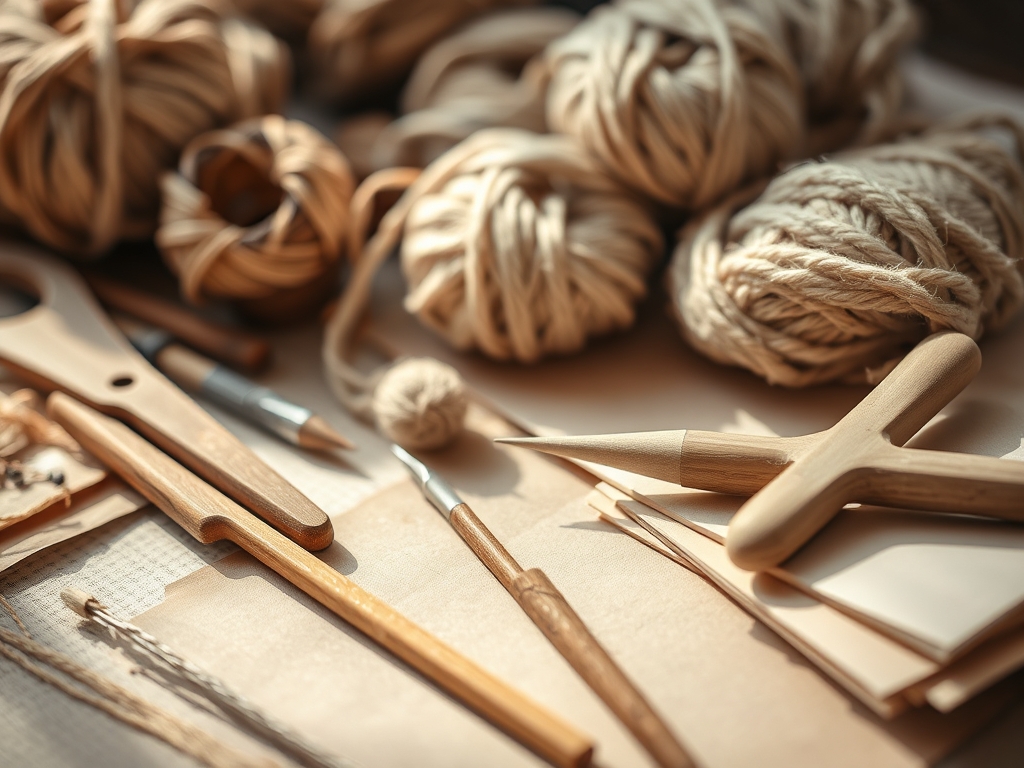
To master these therapeutic methods, your workstation needs more than just enthusiasm; it requires precision instruments. You will need a bone folder for achieving crisp, high pressure creases in paper or leather. A rotary cutter with a 45mm tungsten carbide blade is essential for clean, shear force cuts through textiles without fraying the weave. For three dimensional work, keep a set of calipers nearby to measure thickness and ensure structural symmetry across your projects.
The materials themselves carry specific properties. Use merino wool for its high crimp and elasticity, or vegetable tanned leather for its ability to hold a permanent stamp when moisture levels are optimal. If you are working with clay, a rib tool made of stainless steel will help you manage surface tension.
Material Substitutions: If you lack a professional awl, a heavy duty upholstery needle can puncture dense fibers. If a burnishing tool is unavailable, the smooth back of a glass jar can achieve the same friction based shine on wood or leather edges. For those without a dedicated kiln, air dry polymer clays offer a similar tactile resistance without the need for extreme thermal processing.
THE TEMPO
The Maker's Rhythm is a concept rooted in the flow state, where time dilates based on the complexity of the task. For a standard therapeutic session, expect a Prep Phase of 15 minutes to calibrate your tools and organize your surface. The Active Manipulation Phase usually lasts 60 to 90 minutes. This is the window where your brain enters a theta wave state, characterized by deep relaxation and focused creativity.
Finally, the Curing or Setting Phase can range from 2 hours to overnight. Respecting this tempo is vital. You cannot rush the evaporation of water from clay or the setting of an adhesive bond. The rhythm of crafting teaches patience by forcing you to align your internal clock with the chemical and physical requirements of the medium.
THE CORE METHOD
1. Precision Paper Folding and Geometry
Start with a square of high quality washi paper. Use your bone folder to create a primary crease. The goal is to break the cellulose fibers along a straight line without tearing the surface. This repetitive motion focuses the eyes and stabilizes hand tremors.
Mastery Tip: This relies on mechanical stress distribution. By applying even pressure with a smooth tool, you are collapsing the air pockets between paper fibers, creating a permanent structural memory in the material that prevents the fold from rebounding.
2. Slow Stitching and Fiber Tension
Select a linen scrap and a needle with a sharp point. Pull a single strand of embroidery floss through the fabric. Focus on the resistance of the weave as the needle passes through the interstices. This creates a rhythmic, percussive sound that acts as an auditory anchor.
Mastery Tip: Understanding tensile strength is key. If you pull the thread too tight, you cause the fabric to pucker; too loose, and the stitch loses integrity. Finding the "sweet spot" of tension mirrors the emotional balance required in daily life.
3. Leather Burnishing for Sensory Grounding
Take a piece of raw edge leather and apply a small amount of water. Use a wooden slicker to rub the edge rapidly. The heat generated by friction will seal the fibers and create a glossy, professional finish.
Mastery Tip: This process utilizes friction-induced polymerization. The heat and pressure cause the natural tannins and waxes in the leather to migrate to the surface, creating a hardened, protective barrier that is both beautiful and durable.
4. Clay Pinching and Centering
Work a small ball of clay in your hands until it reaches body temperature. Use your thumb to create a central depression, then slowly rotate the clay, pinching the walls to an even thickness using your calipers for verification.
Mastery Tip: This is an exercise in plasticity and moisture control. As you work the clay, your hands absorb moisture, changing the material's workability. Maintaining a consistent wall thickness prevents structural collapse during the drying process.
5. Wood Whittling and Grain Alignment
Using a sharp detail knife, take small shavings off a basswood block. Always cut away from your body, following the direction of the wood grain to prevent splitting. The physical effort required to slice through the lignin is deeply satisfying.
Mastery Tip: You are navigating anisotropic properties. Wood is stronger along the grain than across it. By identifying the grain direction, you minimize the force required for each cut, reducing tool wear and hand fatigue.
6. Wire Wrapping and Gauge Manipulation
Take a length of copper wire and use round nose pliers to create a series of loops. The metal will work harden as you manipulate it, becoming stiffer and more difficult to bend the more it is handled.
Mastery Tip: This involves dislocation density within the metal's crystalline structure. As you bend the wire, you create "tangles" at the atomic level that make the metal stronger. This physical transformation provides a powerful metaphor for resilience.
THE TECHNICAL LEDGER
Maintenance & Longevity: Keep your steel tools oiled with a light coat of camellia oil to prevent oxidation. Sharpen your blades using a whetstone with a 1000/6000 grit progression to ensure clean cuts that do not crush material fibers.
Material Variations: For a sustainable approach, use recycled sari silk for weaving or reclaimed pallet wood for carving. If you prefer premium options, seek out top grain bridle leather or hand-poured porcelain slips for superior tactile feedback.
The Correction:
- Frayed Edges: If fabric frays, use a rotary cutter for a fresh edge or apply a tiny amount of beeswax to seal the fibers.
- Clay Cracks: If clay cracks while drying, it is drying too fast. Wrap it in damp muslin to slow the evaporation.
- Metal Snaps: If wire snaps, you have over-worked it. Anneal the metal by heating it with a torch to reset the crystalline structure before continuing.
Studio Organization: Store paper and textiles in acid free containers to prevent yellowing. Keep wood in a climate controlled area to avoid warping due to humidity fluctuations. Use a magnetic strip to store your awl and pliers to keep them within ergonomic reach.
THE FINAL REVEAL
Look at what you have built. Whether it is a perfectly burnished leather coaster or a delicate wire sculpture, this object is a physical manifestation of your focus. The edges are clean, the tension is balanced, and the surface reflects the hours of intentional labor you invested. This piece is a "talisman of calm" that you can hold whenever the world feels chaotic. You did not just make a craft; you engineered a moment of peace using physics and grit.
STUDIO QUESTIONS
How does crafting for mental health actually work?
Crafting triggers the release of dopamine by rewarding the brain for completing complex motor tasks. It shifts the mind from "ruminating" to "doing," effectively breaking the cycle of anxiety through focused, tactile engagement with physical materials.
What is the best beginner tool for stress relief?
A high quality bone folder is the best entry point. It is inexpensive, safe, and provides immediate sensory satisfaction through the act of creating perfect, high pressure creases in paper, requiring minimal setup but maximum focus.
Can I craft for mental health with limited space?
Absolutely. Fiber arts like slow stitching or wire wrapping require only a small kit that fits in a shoebox. These "micro-crafts" allow for the same neurological benefits of a full woodshop without the need for heavy machinery or ventilation.
How often should I craft to see benefits?
Consistency is better than intensity. Engaging in a 20 minute "Maker's Rhythm" three times a week is more effective for long term stress management than a single six hour marathon, as it reinforces the habit of manual grounding.