The scent of freshly sheared birch plywood and the cool, waxy drag of a bone folder against heavy cardstock are the ultimate sensory triggers for a productive afternoon. We are not just tidying up today; we are engaging in the high-stakes physics of Crafting for Organization to reclaim our chaotic living spaces. When you grip a high-carbon steel rotary cutter, you feel the resistance of the fibers beneath the blade, a silent conversation between tool and material. This is where domestic engineering meets aesthetic bliss. We are going to manipulate tensile strength and surface friction to create systems that do more than just sit there. They work for you. By understanding how wood grain direction affects load-bearing capacity or how the capillary action of wood glue creates a permanent chemical bond, we transform raw materials into structural solutions. Grab your safety glasses and your favorite espresso; we are about to turn your cluttered entryway and overflowing desk into a masterclass of streamlined efficiency and tactile perfection.
THE STUDIO KIT
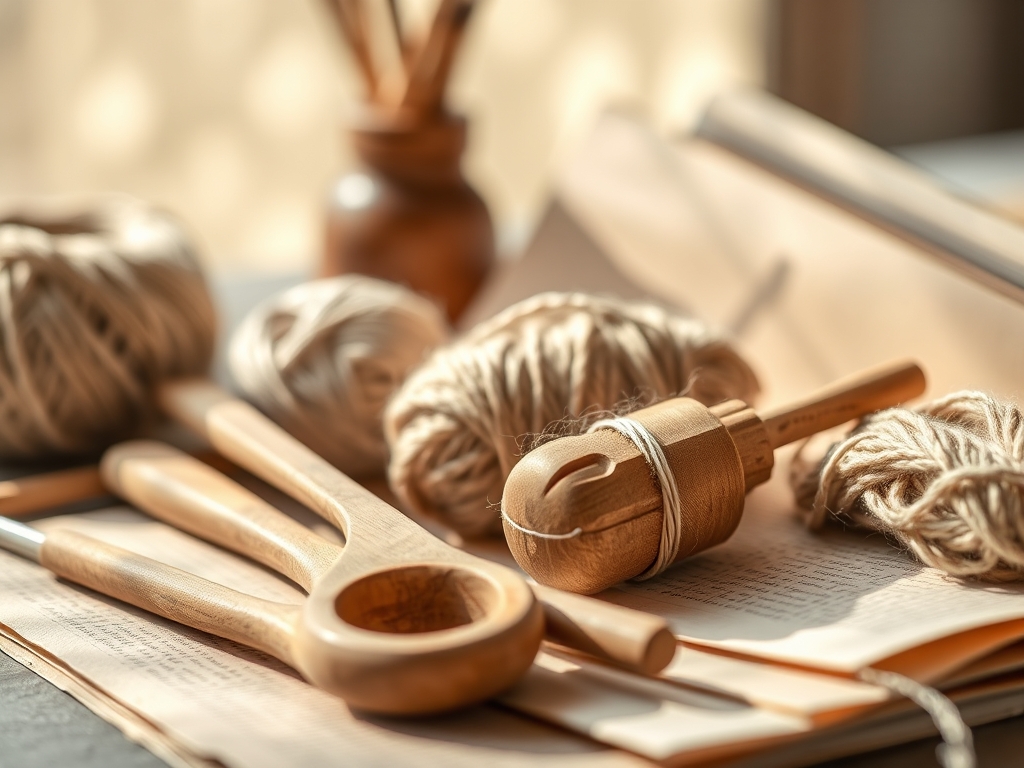
To master these projects, your arsenal must go beyond basic scissors. You need tools that respect the integrity of your materials. Start with a set of digital calipers to ensure your measurements are accurate to the millimeter; precision is the enemy of clutter. For textile-based organizers, a 45mm rotary cutter and a self-healing mat are non-negotiable for achieving clean, fray-resistant edges. If you are working with leather or heavy canvas, a diamond-point awl will allow you to puncture the material without tearing the internal fibers. You will also need a variety of adhesives: cyanoacrylate for instant bonds on non-porous surfaces and a high-viscosity PVA glue for wood and paper.
Material Substitutions: If you cannot find vegetable-tanned leather for your cord organizers, high-density polyethylene (HDPE) sheets offer incredible durability and a similar tensile response. Instead of solid oak for shelving, consider Baltic Birch plywood. It features cross-banded layers that provide superior dimensional stability, meaning it will not warp when the humidity in your home fluctuates.
THE TEMPO
The "Maker's Rhythm" is a three-phase cycle: The Preparation, The Assembly, and The Cure. Expect to spend approximately twenty percent of your time on the layout. This is the cerebral phase where you calculate load distribution. The Assembly is the kinetic phase; it moves quickly as you join components. Finally, The Cure is the most overlooked. Whether it is paint degassing or adhesive cross-linking, you must allow your projects to reach chemical stasis before putting them to work. For a standard desk organizer, budget ninety minutes for the build and twenty-four hours for the cure.
THE CORE METHOD
1. The Floating Geometric Mail Sorter
We begin by cutting hexagonal prisms from lightweight balsa wood. Use a miter box to ensure your angles are exactly sixty degrees. This creates a honeycomb structure that utilizes the natural compressive strength of the hexagon to hold heavy envelopes without sagging.
Mastery Tip: Always align the wood grain vertically. Wood is an anisotropic material; its strength is significantly higher along the grain than across it. This prevents the "shear stress" that causes thin boards to snap under the weight of thick catalogs.
2. The Heavy-Gauge Canvas Wall Pocket
Using 12-ounce duck canvas, fold the top edge over twice to create a reinforced hem. Use a heavy-duty polyester thread, which offers better UV resistance and tensile strength than standard cotton.
Mastery Tip: Use a bone folder to "set" your creases before sewing. This compresses the cellulose fibers in the fabric, creating a crisp edge that maintains its geometric shape even when the pocket is filled with heavy tools.
3. Tension-Fit Drawer Dividers
Measure the internal depth of your drawer with your calipers. Cut thin strips of cedar, slightly longer than the opening. The goal is a "friction fit" where the wood slightly compresses against the drawer walls.
Mastery Tip: Apply a small strip of silicone tape to the ends. This increases the coefficient of friction, ensuring the dividers do not slide when you slam the drawer. It utilizes the physics of lateral pressure to stay in place without fasteners.
4. The Magnetic Culinary Rack
Embed neodymium magnets into the back of a finished walnut slab. Use a Forstner bit to create flat-bottomed holes, stopping just two millimeters from the front surface.
Mastery Tip: Understand the Inverse Square Law. The magnetic pull drops off significantly with every millimeter of wood between the magnet and the knife. Precision depth is the difference between a secure hold and a dangerous fall.
5. Modular Pegboard Accessories
Utilize 3D-printed brackets or hand-bent aluminum rods to create custom hooks. Aluminum is ideal because it is malleable yet holds its shape once the yield point is reached during bending.
Mastery Tip: When bending metal, work slowly to avoid "work hardening." If the metal becomes too brittle, it can snap. A gentle, consistent pressure ensures the internal crystalline structure of the aluminum remains intact and strong.
6. The Tiered Acrylic Vanity Tray
Acrylic is a polymer that requires specialized solvent cement. Instead of traditional glue, this solvent melts the two surfaces together, creating a monolithic bond through a process called solvent welding.
Mastery Tip: Use a needle-point applicator to take advantage of capillary action. The thin liquid will be pulled into the joint automatically, ensuring a bubble-free, crystal-clear seam that is structurally superior to any surface adhesive.
7. Leather Cord Wraps with Brass Snaps
Cut strips of 5-ounce leather and use a rotary punch to create holes for the snaps. Use a setting tool to peen the brass rivets, creating a mechanical lock.
Mastery Tip: Burnish the edges of the leather with a wooden slicker and a bit of beeswax. The heat generated by friction melts the wax and fuses the loose leather fibers together, preventing fraying and increasing the longevity of the wrap.
8. The Stackable Plywood Tech Station
Design a box with finger joints for maximum surface area. This joint style relies on the "interlocking" principle, distributing the load across multiple points of contact.
Mastery Tip: When gluing finger joints, apply pressure from two directions using bar clamps. This ensures the glue is forced into the pores of the wood, creating a "mechanical key" once the PVA dries and hardens.
THE TECHNICAL LEDGER
Maintenance & Longevity: To keep your wood projects from becoming brittle, apply a coat of food-grade mineral oil every six months. This replaces lost moisture and prevents the fibers from shrinking. For acrylic, never use ammonia-based cleaners; they cause "crazing," which are tiny internal fractures that ruin the structural integrity.
Material Variations: For a sustainable upgrade, use cork fabric instead of leather. It has a high "recovery rate," meaning it bounces back after being compressed. For a premium feel, swap zinc hardware for solid brass; it is naturally antimicrobial and develops a beautiful patina over time.
The Correction:
- The Gap: If your wood joints have a gap, mix fine sawdust with wood glue to create a structural filler that matches the color perfectly.
- The Slump: If a fabric pocket sags, insert a thin strip of PETG plastic into the hem to provide a rigid "spine."
- The Peel: If a label or adhesive fails, clean the surface with isopropyl alcohol to remove skin oils that prevent chemical bonding.
Studio Organization: Store your materials in a climate-controlled environment. Wood should be stacked flat to prevent "bowing" due to gravity, and textiles should be rolled, not folded, to avoid permanent fiber memory at the crease lines.
THE FINAL REVEAL
Look at that! You have successfully navigated the complex world of Crafting for Organization. Your home is no longer a collection of loose items; it is a curated gallery of engineered solutions. The way that walnut rack grips your knives or the crisp "snap" of the leather cord wraps is a testament to your technical skill. You did not just buy a bin; you built a system that respects the physics of your daily life. It feels incredible to run your hand over a perfectly burnished edge and know that it is built to last a lifetime.
STUDIO QUESTIONS
How do I prevent wood from splitting when organized?
Always drill a pilot hole slightly smaller than your screw diameter. This removes material and reduces internal hoop stress, preventing the wood fibers from being forced apart and cracking along the grain line during hardware installation.
What is the best adhesive for mixed materials?
Two-part epoxy is the gold standard for joining dissimilar materials like metal and wood. It creates a high-strength structural bond that fills gaps and resists environmental changes better than standard craft glues or hot melt adhesives.
Why do my fabric organizers lose their shape?
This is usually due to "fabric creep" or a lack of internal support. Use a heavy-weight interfacing or a "stiffener" spray to increase the material's modulus of elasticity, helping it resist deformation under the weight of stored items.
How can I make my projects more sustainable?
Focus on "Mono-materiality" to make future recycling easier. Use mechanical fasteners like screws or snaps instead of permanent glues. This allows the object to be easily disassembled and the components repurposed once the organizer's primary lifecycle ends.