Imagine the scent of cold pressed linseed oil meeting the sharp, metallic tang of a cobalt pigment as you crack open your studio windows. Your hands crave the resistance of a heavy 300 GSM cotton rag paper; it is a tactile hunger that only Daily Painting Rituals can satisfy. We are not just slapping pigment onto a surface today. We are engaging in a high stakes dance with fluid dynamics and molecular bonding to map out your internal emotional landscape through six distinct color studies.
The physics of a daily practice relies on the tensile strength of your substrate and the viscosity of your medium. When you commit to this rhythm, you are essentially training your neural pathways to recognize the precise moment a wash reaches its saturation point before the fibers begin to pill. It is about the friction of the brush against the tooth of the paper. It is about the way light refracts through layers of suspended particles. Grab your favorite apron and clear the workbench; we are about to turn your emotional fluctuations into a tangible, scientific record of color theory and grit.
THE STUDIO KIT
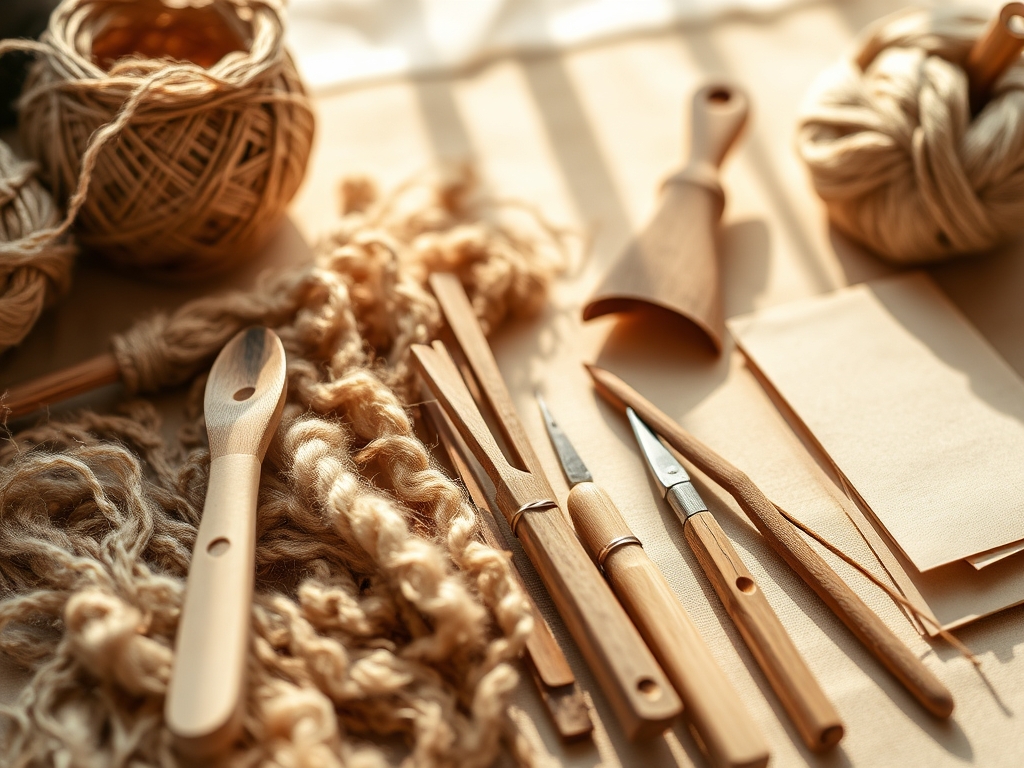
To execute these studies with precision, you need a kit that respects the chemical properties of your media. Your primary surface should be a high quality watercolor paper or a gessoed panel with enough tooth to grab the pigment. I recommend a cold pressed finish because the microscopic hills and valleys on the surface allow for complex light scattering. You will need a set of professional grade paints; look for high pigment loads and lightfastness ratings of I or II to ensure your emotional history does not fade into obscurity within a decade.
Your tool rack should include a size 10 round synthetic sable brush for its superior spring and snap, alongside a flat wash brush for broad atmospheric coverage. For those who prefer a more industrial edge, a small offset palette knife is essential for impasto techniques where you need to physically sculpt the paint. If you are working with acrylics, keep a spray bottle of distilled water nearby to manage the evaporation rate.
Material Substitutions: If professional cotton rag is over your budget, high density mixed media paper works in a pinch, though it has lower dimensional stability when wet. Instead of expensive artist grade mediums, a simple mixture of water and a drop of dish soap can act as a surfactant to break the surface tension of your water, allowing for smoother flows on a budget.
THE TEMPO
The Maker's Rhythm is a three phase cycle: Preparation, Execution, and Reflection. For these six color studies, allocate exactly twenty minutes per study. This constraint is not arbitrary; it prevents the overworking of the surface which leads to "muddy" results. The first five minutes are for pigment hydration and color mixing, where you establish your palette. The next ten minutes are the "Flow State," where you apply the paint with intentional, rhythmic strokes. The final five minutes are for the "Critical Pause," where you observe how the pigment settles into the pores of the substrate as the solvent evaporates. Total studio time, including setup and cleanup, should clock in at roughly two and a half hours.
THE CORE METHOD
1. The Monochromatic Anchor
Start by selecting a single hue and exploring its entire value scale. Use a bone folder to crisp the edges of your paper into six equal sections before you begin. This study focuses on the hydrophilic nature of your paper. By adding varying amounts of solvent, you change the pigment density.
Mastery Tip: Understand capillary action. When you drop a concentrated pigment into a wet wash, the water molecules pull the pigment into the fibers through microscopic channels. Control the spread by managing the moisture level of your brush; a "thirsty" brush can suck up excess pools to prevent backruns.
2. Complementary Tension
Select two colors from opposite sides of the color wheel. This study is about visual vibration. Use a rotary cutter to trim any frayed edges of your test strips to keep the focus on the interface where the two colors meet.
Mastery Tip: This relies on the simultaneous contrast phenomenon. The human eye perceives a color differently based on its neighbor. To master this, ensure your pigments have similar specific gravity so one does not physically sink beneath the other when mixed on the surface.
3. Atmospheric Glazing
Build your third study through thin, transparent layers. This requires patience as each layer must be bone dry before the next is applied. This is where you observe the refractive index of your medium.
Mastery Tip: Use a hairdryer or heat tool to accelerate evaporation, but keep it at a distance of twelve inches. Rapid, uneven heating can cause the cellulose fibers in the paper to contract at different rates, leading to permanent warping or "buckling."
4. High Viscosity Impasto
Switch to a heavy body medium or add a thickening gel. Use your palette knife to apply the paint in thick, structural peaks. This study is about the shear thinning properties of the paint; it flows when moved by the knife but holds its shape once the pressure is removed.
Mastery Tip: Pay attention to the drying profile. Thick applications dry from the outside in, creating a "skin." If the interior remains wet while the surface hardens, the piece may crack. Use a flexible support to accommodate the internal stresses of the drying paint.
5. Analogous Harmony
Choose three colors that sit side by side on the wheel. This study mimics the organic transitions found in nature. Use a soft mop brush to blend the edges while the paint is still in its "open" phase.
Mastery Tip: This technique utilizes diffusion. As the pigment particles move from an area of high concentration to low concentration, they create a seamless gradient. To achieve a professional finish, ensure your studio temperature is between 65 and 75 degrees Fahrenheit to stabilize the drying time.
6. The Kinetic Splatter
For the final study, release the technical rigidity. Use a stiff bristle brush or even an old toothbrush to flick pigment onto the surface. This is a lesson in ballistics and fluid velocity.
Mastery Tip: The size of the droplets is determined by the viscosity of the liquid and the force of the flick. Thinner liquids create smaller, mist like particles, while thicker paints create heavy, textured "blobs." Control the trajectory by adjusting the angle of your wrist relative to the paper.
THE TECHNICAL LEDGER
Maintenance & Longevity: Clean your brushes with a pH neutral soap and reshape the bristles immediately. Store them horizontally; storing them vertically while wet allows water to seep into the ferrule, which dissolves the glue and leads to "shedding."
Material Variations: For a sustainable approach, use pigments derived from earth minerals or recycled textile dyes. For a premium experience, invest in hand forged watercolor tins and brushes with ergonomic handles designed to reduce repetitive strain during long sessions.
The Correction:
- The Bloom: If a "cauliflower" edge forms, wait for it to dry completely and then lightly burnish the area with a damp, clean brush to soften the hard line.
- The Mud: If colors become dull, it is likely due to over mixing. Stop immediately, let it dry, and apply a transparent glaze of a pure primary color to restore vibrancy.
- The Warp: If your paper curls, mist the back lightly with water and place it under a heavy stack of books (protected by glassine paper) for 24 hours to reset the fibers.
Studio Organization: Store your completed color studies in an acid free archival portfolio. Keep them in a cool, dry place away from direct UV light to prevent photodegradation of the chemical bonds in the pigment.
THE FINAL REVEAL
Look at that spread! You have successfully translated the chaos of a daily routine into a structured, scientific exploration of light and matter. These six studies are more than just practice; they are a technical map of your creative evolution. The way the light catches the impasto peaks and glows through the glazes is a testament to your mastery of surface tension and pigment load. You have turned Daily Painting Rituals into a high performance engine for your art.
STUDIO QUESTIONS
How do I prevent my paper from buckling?
Secure your paper to a rigid board using archival artist tape on all four sides. This maintains the paper's structural integrity by providing counter tension as the wet fibers expand and then contract during the drying process.
What is the best way to mix a "clean" secondary color?
Avoid mixing pigments with more than two chemical components. Check the tube for the Pigment Index Number. Mixing two single pigment paints ensures the highest level of chroma and prevents the muddying effect of complex chemical interference.
How often should I change my rinse water?
Change your water as soon as it loses its transparency. Residual pigment particles suspended in the water will act as a "graying agent," unintentionally tinting every subsequent wash and lowering the overall luminosity of your color study.
Can I use a palette knife on paper?
Yes, but ensure the paper is at least 300 GSM to handle the mechanical stress. Use a light touch to avoid tearing the surface fibers. A plastic knife is gentler, but a steel knife offers better feedback and precision.