Your hands are caked in that gorgeous, slip-heavy sludge; it is the physical manifestation of a productive session. But before you walk away, we have to talk about the sacred transition from creation to preservation. Mastering your Daily Pottery Wheel Rituals is not just about tidiness; it is about respecting the mechanical soul of your studio. When you leave clay to dry on the splash pan, it undergoes a phase change from a plastic state to a rigid, abrasive solid. This crystalline structure acts like sandpaper against your equipment. If you want your wheel to whisper instead of scream, you need to understand the physics of the cleanup. We are talking about managing moisture levels and preventing the buildup of mineral deposits that can seize your motor or corrode your metal components. Think of this as the cool-down lap for your creative engine.
THE STUDIO KIT
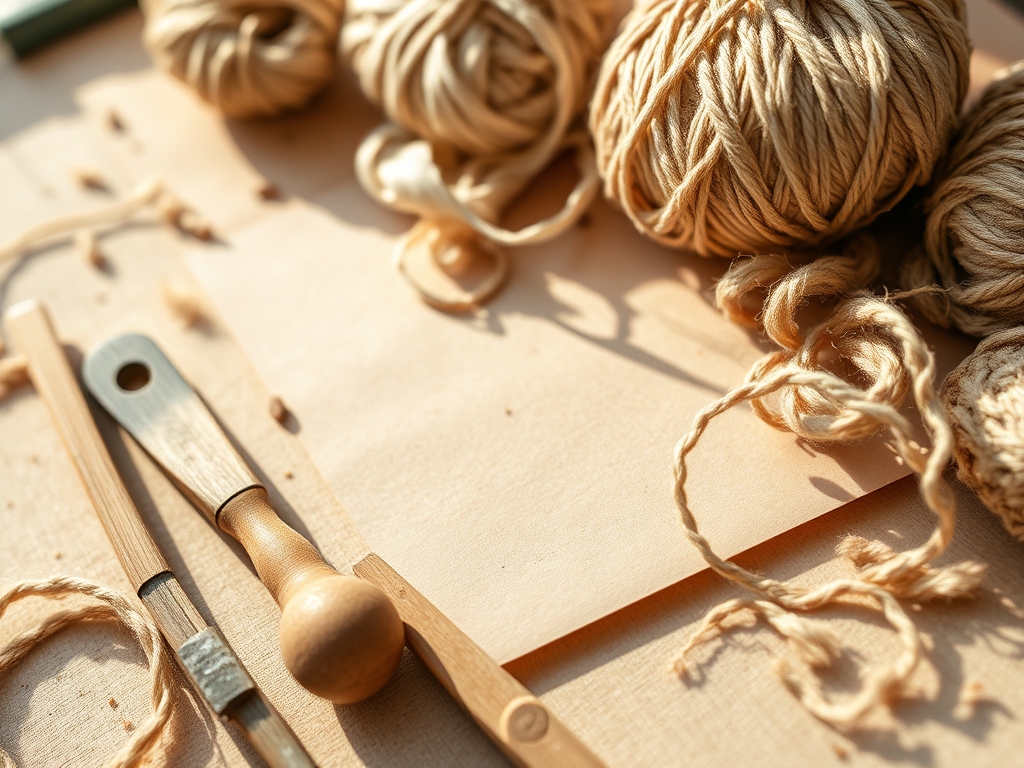
To execute these rituals with precision, you need a kit that treats your wheel like a high-performance machine. You will need a synthetic elephant ear sponge for its high density and superior water retention. Grab a flexible steel rib or a rubber squeegee to scrape the heavy slurry. For the fine details, a natural bristle brush is essential for clearing the grit out of the bat pin holes. I also keep a dedicated microfiber cloth nearby because its high surface area traps microscopic silica particles that standard towels miss.
Material Substitutions: If you are out of specialized pottery sponges, a high-density automotive sponge works beautifully because it handles the abrasive friction of high-fire stoneware without shredding. Instead of a commercial splash pan cleaner, a simple 1:10 ratio of white vinegar to water helps break down the calcium carbonate and magnesium found in hard water, which prevents that chalky white film from etching into your plastic components.
THE TEMPO
The "Maker's Rhythm" is all about timing the cleanup to the evaporation rate of your environment. You have a ten-minute window after you turn off the power. If you wait longer, the slip enters the "leather-hard" stage on the splash pan, making it twice as difficult to remove without using excessive water that could migrate into the wheel's bearing housing. Spend three minutes on the heavy extraction, four minutes on the deep wipe-down, and three minutes on tool lubrication. This rhythmic cycle ensures that your gear is always in a state of "ready-to-wear" for your next bout of inspiration.
THE CORE METHOD
1. The Slurry Extraction
The first step is removing the bulk material before it loses its plasticity. Use your flexible rib to scrape the heavy slip from the splash pan and the wheel head. This is not just cleaning; it is material management. Collect this "waste" in a reclaim bucket. Because the clay particles are still suspended in a saturated state, they can be easily re-hydrated and wedged back into a workable body later.
Mastery Tip: Understand capillary action. If you leave pools of water on the wheel head, the liquid will seek out the tiny gaps between the head and the splash pan, potentially reaching the drive shaft. Always scrape toward the center of the pan, never toward the edges.
2. The Bat Pin Purge
Bat pins are the unsung heroes of centering, but they are prone to oxidation if left damp. Remove the pins and use your natural bristle brush to clear out any grit from the threaded holes. This prevents the "seizing" effect where mineral buildup acts like a natural cement, locking your pins in place forever.
Mastery Tip: This is about mechanical tolerance. Even a half-millimeter of dried clay inside a bat pin hole can cause your bat to wobble, ruining the concentricity of your next piece. A clean thread ensures a perfect, flush fit every time.
3. The Splash Pan Deep-Clean
Detach the splash pan and submerge it in your rinse bucket. Use your high-density sponge to wipe the underside. Many potters forget the bottom, but dried clay here can flake off into your fresh clay tomorrow, creating "grogs" or impurities that cause structural failure during the firing process.
Mastery Tip: Use the science of surface tension. By adding a drop of mild detergent to your rinse water, you lower the surface tension, allowing the water to penetrate the porous clay film more effectively and lift it off the plastic surface without aggressive scrubbing.
4. The Wheel Head Burnish
Once the wheel head is clear of debris, take your microfiber cloth and burnish the metal surface. You want to wipe in a circular motion following the grain of the aluminum or steel. This removes the microscopic "ghosting" of clay and ensures the surface is bone-dry.
Mastery Tip: Drying the metal immediately prevents pitting corrosion. When water sits on aluminum, it can create small anodic cells that eat into the metal, creating a rough surface that will eventually snag your sponges or your skin during throwing.
5. The Tool and Table Reset
Your tools, especially your calipers and jeweler's saw, need a wipe-down with a damp cloth followed by a dry one. Organize them by their tensile strength and frequency of use. Wood tools should be wiped with a tiny bit of mineral oil once a week to maintain their hydrophobic properties.
Mastery Tip: Maintaining the ergonomic integrity of your tools is vital. A wooden rib that has absorbed too much water will swell and warp, losing its true edge. Proper drying keeps the wood fibers compressed and the tool's profile sharp.
THE TECHNICAL LEDGER
Maintenance & Longevity: Every 50 hours of throwing, check the tension on your drive belt. A loose belt leads to torque loss, making it harder to center large mounds of clay. Lubricate the foot pedal hinge with a dry graphite spray to ensure smooth acceleration without attracting dust.
Material Variations:
- Sustainable: Use a three-bucket wash system to minimize water waste and maximize clay reclaim.
- Recycled: Filter your final rinse water through a fine mesh to catch the smallest particles for use in custom glazes.
- Premium: Use distilled water for your final wipe-down to eliminate all mineral spotting on stainless steel wheel heads.
The Correction:
- The Stuck Bat: If a bat is stuck, do not pry it with a screwdriver. Use a rubber mallet to give it a gentle, tangential tap to break the vacuum seal.
- The Squeaky Pedal: This is usually caused by clay dust in the potentiometer. Use compressed air to blow out the housing.
- The Wobbly Wheel Head: Check the set screw on the side of the wheel head. Use a hex key to tighten it against the "flat" of the drive shaft to restore axial alignment.
Studio Organization: Store your bats vertically in a slotted rack. This allows for even airflow on both sides, preventing the differential drying that causes marine-grade plywood or plastic bats to warp.
THE FINAL REVEAL
Look at that studio shine! There is nothing more satisfying than a wheel head that reflects the overhead lights like a mirror. By integrating these Daily Pottery Wheel Rituals, you have transformed a messy workspace into a precision laboratory. Your tools are dry, your splash pan is pristine, and your machine is primed for the next session. This level of care ensures that when you sit down to throw, the only resistance you feel is the beautiful, tactile tension of the clay itself.
STUDIO QUESTIONS
How often should I deep-clean under the wheel?
Clean the floor and underside weekly. This prevents "clay dust," which is a respiratory hazard. Use a wet mop rather than a broom to ensure silica particles are trapped in water rather than becoming airborne in your studio environment.
Can I leave the splash pan on overnight?
It is not recommended. Trapped moisture between the pan and the wheel base can lead to corrosion or mold growth. Removing it allows for total airflow, ensuring all mechanical parts stay dry and the metal remains structurally sound.
What is the best way to clean wooden tools?
Wipe them with a damp sponge and dry them immediately. Never soak wood, as it causes fiber swelling and warping. Occasionally rub them with food-grade linseed oil to maintain their hydrophobic barrier and prevent the wood from becoming brittle.
Why is my wheel head turning black?
This is usually aluminum oxidation. It happens when wet clay is left on the head for too long. Clean it with a Scotch-Brite pad and vinegar, then keep it dry between sessions to maintain a smooth, professional-grade throwing surface.