Imagine the friction of a 4B graphite core catching against the tooth of a cold pressed cotton sheet. It is a gritty, satisfying resistance that tells your nervous system exactly where the paper begins. When you commit to Daily Drawing Rituals, you are not just making art; you are remapping the neural pathways between your primary visual cortex and the fine motor muscles of your carpals. Your hand becomes a precision instrument, much like a calibrated caliper measuring the distance between a shadow and a highlight. We are diving into the visceral world of blind contour, where the eyes lead and the hand follows in a continuous, unbroken dance of graphite and fiber. This is about silencing the internal critic and letting the tactile feedback of the surface dictate the flow. By focusing on the edge of an object rather than the image on the page, you bypass the brain's tendency to symbolize and instead capture the raw, structural integrity of your subject. It feels chaotic, messy, and absolutely electric.
THE STUDIO KIT
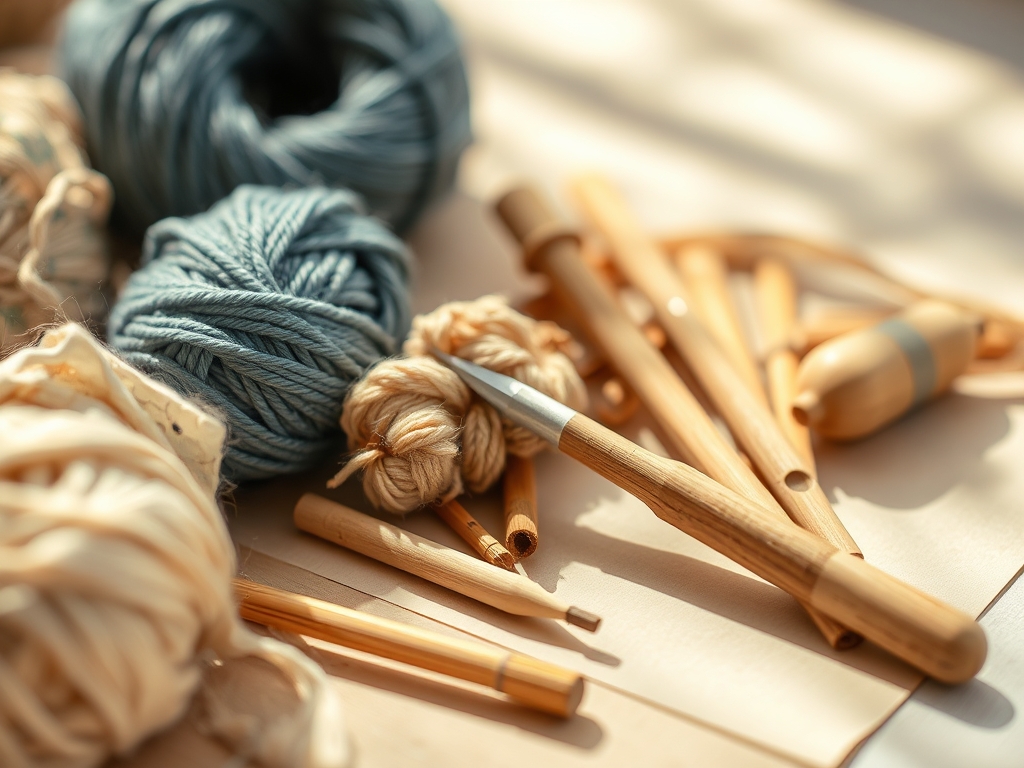
To master these Daily Drawing Rituals, you need a kit that respects the physics of friction and surface tension. Start with a high gsm (grams per square meter) paper. I recommend a 300gsm cold press watercolor paper because the textured valleys of the pulp provide a mechanical tooth that grabs the pigment. For your marking tools, skip the mechanical pencils. You want the variable line weight of a solid graphite stick or a soft B-grade pencil. The higher the B-rating, the more clay-to-graphite ratio shifts toward carbon, resulting in a smoother, more buttery glide across the cellulose fibers.
If you want to experiment with ink, a glass dip pen is a technical marvel. The twisted grooves in the glass utilize capillary action to hold a reservoir of ink, releasing it only when the nib meets the porous surface of the paper. For those looking for Material Substitutions, a simple ballpoint pen works wonders because the rolling ball mechanism requires a specific amount of downward pressure to engage the ink flow, providing excellent haptic feedback. You might also grab a bone folder to pre-crease your pages; this ensures your sketchbook lays flat, removing any ergonomic strain on your wrist during long sessions.
THE TEMPO
The Maker's Rhythm is all about the frequency of the stroke. Each of these drills should take exactly five to seven minutes. This timeframe is crucial because it is long enough to enter a flow state but short enough to prevent the prefrontal cortex from over-analyzing the proportions. You are looking for a steady, oscillating tempo. Think of your hand as a needle on a record player; it moves at a constant velocity regardless of the complexity of the "music" or the contours it encounters. Total daily commitment? Roughly forty minutes of pure, unadulterated hand-eye synchronization.
THE CORE METHOD
1. The Slow Crawl
Begin by fixing your gaze on a single point of your subject. As your eyes move a millimeter, your hand moves a millimeter. Do not look at the paper. The goal is to match the velocity of your ocular tracking with the kinetic movement of your shoulder.
Mastery Tip: This drill relies on proprioception, which is your body's ability to sense its position in space. By maintaining a constant speed, you minimize the "stutter" caused by the friction of the graphite, resulting in a line with consistent tensile strength.
2. The Weight Shift
As you navigate the outer edges of an object, vary the pressure. When your eye moves over a shadow, press harder. When it hits a highlight, lighten the load.
Mastery Tip: This utilizes the elastic deformation of the paper. High-quality paper fibers will compress under pressure and spring back, allowing the graphite to embed deeper into the grain, creating a rich, velvety black that won't smudge as easily.
3. The Internal Skeleton
Instead of just the outline, track the internal ridges and folds. Imagine you are a jeweler's saw cutting through a piece of silver; you must follow the internal logic of the form.
Mastery Tip: Focus on the structural integrity of the subject. By visualizing the internal "bones" of the object, you are practicing spatial reasoning, which improves your ability to render three-dimensional forms on a two-dimensional plane.
4. The Double Back
In this ritual, you never lift your pen. If you need to move from the left side of a vase to the right, you must draw a line across the center to get there.
Mastery Tip: This maintains the continuity of the ink's surface tension. In fountain pens, keeping the nib in contact with the paper prevents the ink from drying at the tip, ensuring a consistent flow rate and preventing "hard starts."
5. The Texture Map
Focus entirely on the tactile quality of the subject. If you are drawing a wool sweater, make your lines jagged and rhythmic. If it is glass, make them long and sweeping.
Mastery Tip: You are essentially performing a haptic translation. Your brain is converting a visual stimulus (texture) into a motor output (line quality), which strengthens the neural bridge between your sensory inputs.
6. The Negative Space Trace
Don't draw the object; draw the air around it. Trace the "holes" or the gaps between the subject and the edge of your vision.
Mastery Tip: This forces the brain to stop recognizing "things" and start recognizing "shapes." It is a classic exercise in reducing cognitive bias, allowing for more accurate anatomical proportions in your future work.
7. The Blind Overlap
Draw the same object three times on the same spot of the paper without looking. The resulting "ghost images" will create a sense of movement.
Mastery Tip: This explores the ply and durability of your paper. Repeatedly working the same area tests the surface sizing (usually a starch or gelatin coating), which prevents the ink from feathering or the paper from pilling.
8. The Speed Burst
Set a timer for sixty seconds. Move your eyes and hand as fast as possible without losing the "connection" between the two.
Mastery Tip: This drill emphasizes the kinetic energy of the arm. By increasing the speed, you rely on the larger muscle groups of the shoulder and elbow rather than the tiny, fatigue-prone muscles of the fingers, leading to a more ergonomic drawing style.
THE TECHNICAL LEDGER
Maintenance & Longevity: To keep your Daily Drawing Rituals pristine, use a fixative spray once a sketchbook is filled. This creates a microscopic polymer shield over the graphite, preventing carbon transfer between pages. Store your work in a climate-controlled environment; high humidity can cause cellulose fibers to swell, leading to "cockling" or warping of the paper.
Material Variations: For a premium experience, seek out handmade washi paper. Its long mulberry fibers offer incredible tensile strength and a unique, fibrous resistance. For a sustainable option, use recycled hemp paper, which has a high lignin content and a wonderful, earthy tooth.
The Correction:
- The Floating Line: If your lines don't connect, you are moving your hand faster than your eyes. Slow the hand down to match your ocular tracking.
- The Smudge: If you are a lefty or heavy-handed, use a "bridge" (a piece of scrap paper) under your palm to prevent skin oils from breaking down the graphite's bond with the paper.
- The Paper Tear: If you are piercing the page, your lead is too hard (H-grade). Switch to a softer B-grade to allow for better compression without structural failure.
Studio Organization: Store your drawings flat in an acid-free archival box. Use glassine sheets between pages to prevent friction-based degradation of the line work.
THE FINAL REVEAL
Look at that mess! It is beautiful, isn't it? Your Daily Drawing Rituals have produced a map of your focus. The lines are raw, energetic, and pulses with the rhythm of your own heartbeat. You have successfully bypassed the "symbolic" brain and touched the "observational" reality of the world. Each page is a testament to your hand-eye flow and the technical mastery of your tools. You aren't just drawing; you are vibrating on the same frequency as your materials.
STUDIO QUESTIONS
What is the best paper for blind contour?
A high-tooth, 300gsm cold press paper is ideal. The texture provides the necessary mechanical friction to help you "feel" the line without needing to look at the page, ensuring a more tactile and accurate sensory feedback loop.
Why shouldn't I look at the paper?
Looking triggers the brain's "naming" center, which uses simplified symbols instead of actual shapes. Keeping your eyes on the subject ensures you capture the true structural integrity and unique contours of the object rather than a mental shorthand.
Can I use a digital tablet for these rituals?
Yes, but ensure you use a "paper-feel" screen protector. The low friction of a glass screen can cause the stylus to slip, reducing the haptic feedback necessary for developing the fine motor control required for these specific drills.
How do I stop my hand from cramping?
Engage your entire arm. Movement should originate from the shoulder and elbow, not the wrist. This ergonomic approach utilizes larger muscle groups, reducing the strain on the carpal tunnel and allowing for a more fluid, continuous line.
How often should I do these drills?
Consistency is key for neural remapping. Aim for ten minutes every morning. This daily frequency reinforces the hand-eye connection, making the process of observational drawing feel like second nature over time.