Imagine the scent of freshly cut cedar mixing with the ozone smell of a warm glue gun. Your fingertips graze the rough, fibrous texture of heavy-duty felt before sliding across the cool, non-porous surface of tempered glass. This is the sensory reality of Crafting for Modern Families, where we bridge the gap between digital screen time and tactile engineering. We are not just making "stuff"; we are manipulating the physical world to create heirloom-quality playthings. When we talk about crafting for modern families, we are discussing the intersection of high-tensile materials and the chaotic, beautiful energy of a shared living space. You can feel the potential energy stored in a roll of heavy-gauge copper wire or the way a bone folder compresses paper fibers to create a permanent, structural crease. Every material has a story told through its density and grain. We are going to harness those physical properties to build projects that survive the rigors of a toddler's grip and the aesthetic demands of a modern interior. Let's get our hands dirty and our brains engaged.
THE STUDIO KIT
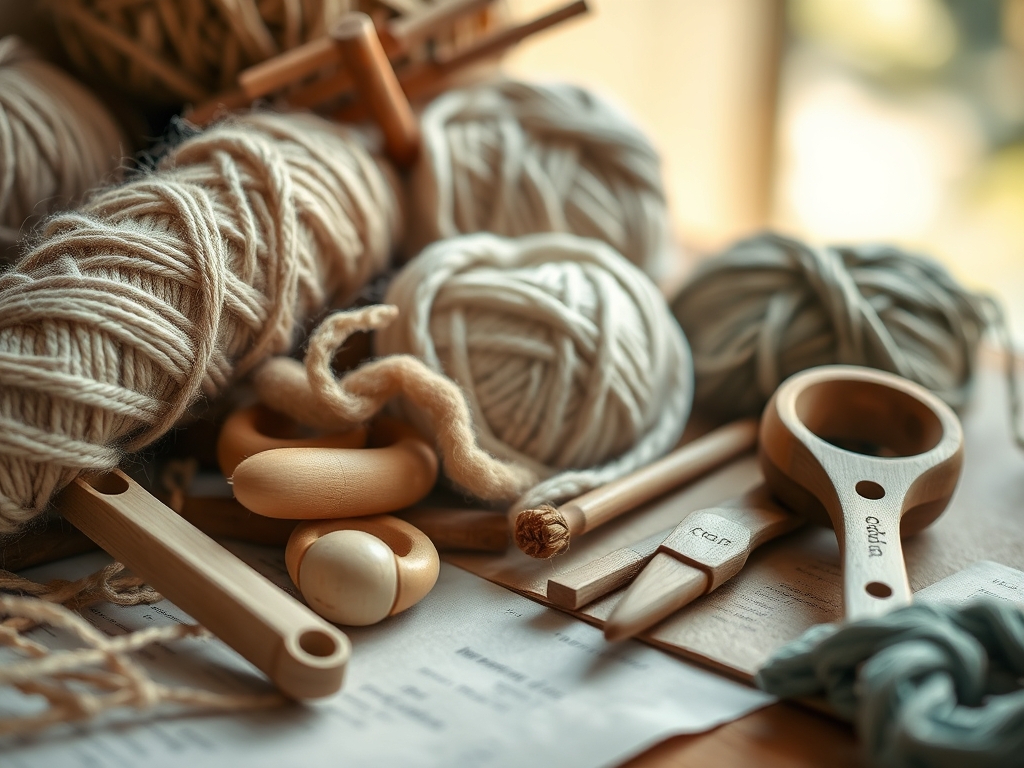
To master these nine projects, your workstation needs to be more than a kitchen table; it needs to be a laboratory of precision. You will need a high-carbon steel rotary cutter for clean, shear-force edges and a set of digital calipers to measure material thickness down to the millimeter. For structural assembly, keep a heavy-duty awl and a bone folder nearby to manipulate grain direction without tearing the delicate cellulose fibers. We also utilize cyanoacrylate adhesives for instant molecular bonding and beeswax for lubricating thread to reduce friction during high-tension sewing.
Material Substitutions: If you cannot source sustainable birch plywood, look for MDF with a formaldehyde-free rating, though keep in mind it lacks the cross-grain tensile strength of true ply. Instead of expensive leather, high-density washable kraft paper offers a similar tactile response and durability. For textiles, swap synthetic polyester for merino wool felt; its natural crimp and elasticity provide superior structural integrity for three-dimensional forms.
THE TEMPO
The Maker's Rhythm is a three-phase cycle: Preparation, Execution, and Curing. The Preparation Phase takes approximately forty-five minutes and involves the "mise en place" of your tools. You are checking blade sharpness and calibrating your measurements. The Execution Phase is the flow state, lasting two to four hours depending on the project complexity. This is where you engage in repetitive, rhythmic motions like sanding or stitching. Finally, the Curing Phase is often overlooked but vital. Adhesives and finishes require twelve to twenty-four hours to reach peak chemical stability. Rushing this stage risks structural failure. Respect the clock; physics does not care about your deadline.
THE CORE METHOD
1. The Geometric Balance Mobile
We begin by calculating the center of gravity for various weighted elements. Using 0.8mm brass wire, we create a series of lever arms. You must loop the wire using needle-nose pliers to create a friction-fit pivot point.
Mastery Tip: This project relies on static equilibrium. By adjusting the distance of the weight from the fulcrum, you are manipulating torque. A longer lever arm requires less mass to achieve balance.
2. The Heavy-Duty Canvas Explorer Tote
Using a size 16 denim needle, we pierce through multiple layers of 14-ounce waxed duck canvas. The wax acts as a natural lubricant, but it also increases the drag on the sewing machine motor.
Mastery Tip: Understand shear strength. When attaching handles, use a "box-and-X" stitch pattern to distribute the load across a larger surface area of the fabric's weave, preventing the fibers from unraveling under tension.
3. The Modular Birch Play-Fort
This project uses friction-fit joinery. We cut notches into 6mm birch plywood that are exactly 0.1mm narrower than the board thickness to ensure a "press-fit" connection.
Mastery Tip: This utilizes compression force. The wood fibers compress slightly as they slide together, creating a mechanical bond that does not require hardware or toxic glues.
4. The Botanical Resin Coasters
We encapsulate organic matter in a clear epoxy polymer. You must stir the resin slowly to avoid introducing air bubbles, which act as structural weak points.
Mastery Tip: This is an exothermic reaction. As the resin cures, it generates heat. If the pour is too thick, the heat can become trapped, causing the resin to yellow or crack due to thermal expansion.
5. The Ergonomic Leather Tool Roll
We use a stitching pony to hold vegetable-tanned leather in place while performing a traditional saddle stitch. This requires two needles passing through the same hole in opposite directions.
Mastery Tip: This creates a lock-stitch mechanism. Unlike a machine stitch, if one thread breaks, the other remains anchored by the friction of the leather's internal grain, ensuring the tool roll never unravels.
6. The Kinetic Sand Pendulum
Constructing a tripod from hardwood dowels, we suspend a weighted funnel filled with fine-grain silica. The oscillation creates elliptical patterns based on gravity and momentum.
Mastery Tip: This demonstrates harmonic motion. The length of the suspension cord determines the frequency of the swing, while the weight of the funnel ensures the momentum overcomes air resistance.
7. The Acoustic Felt Sound-Dampers
We layer high-density wool felt in geometric patterns to create wall art that absorbs high-frequency sound waves. We use a rotary cutter for perfectly vertical edges.
Mastery Tip: This works through porous absorption. Sound energy enters the tiny gaps between the wool fibers and is converted into low-level heat energy through friction, quieting the room.
8. The Copper Wire Jewelry Tree
Using dead-soft copper wire, we twist multiple strands together to create a trunk, then branch them out using a tapering technique.
Mastery Tip: Copper is malleable but work-hardens. Every time you bend the wire, you are rearranging its crystalline structure. If you over-work it, the wire becomes brittle and will snap; keep your movements intentional.
9. The Upcycled Cardboard Geodesic Dome
We use discarded double-wall corrugated cardboard to create triangular struts. The fluting of the cardboard must run parallel to the long edge for maximum rigidity.
Mastery Tip: This is the ultimate lesson in structural integrity. Triangles are the only polygon that cannot be deformed without changing the length of a side, making the dome incredibly strong despite its lightweight materials.
THE TECHNICAL LEDGER
Maintenance & Longevity: To keep your creations in peak condition, wood elements should be treated with a food-grade mineral oil to prevent desiccation. Textiles should be spot-cleaned; never submerge waxed canvas in hot water as it will strip the protective barrier.
Material Variations: For a premium feel, replace standard plywood with walnut or cherry solids. If you are focusing on sustainability, look for recycled PET felt made from plastic bottles; it offers excellent tensile strength with a lower carbon footprint.
The Correction:
- The Gap: If your wood joints are loose, do not just add glue. Insert a thin "shim" of veneer to restore the friction fit.
- The Bubble: If resin has bubbles, pass a butane torch quickly over the surface to pop them using heat-induced pressure changes.
- The Snag: If your thread bunches while sewing heavy fabric, check your bobbin tension; it likely needs to be loosened to accommodate the thicker gauge thread.
Studio Organization: Store your materials based on hygroscopy. Wood and paper should be kept in a climate-controlled area to prevent warping from humidity. Store adhesives upside down to prevent air from drying out the nozzle.
THE FINAL REVEAL
Look at what you have built! These nine projects represent a masterclass in physics, engineering, and domestic art. You have taken raw, disparate materials and transformed them into functional, beautiful objects that tell the story of your family's creativity. The weight of the wood, the sheen of the copper, and the softness of the felt all come together in a symphony of "making." You are no longer just a hobbyist; you are a technician of the home studio.
STUDIO QUESTIONS
What is the best glue for modern crafting?
Cyanoacrylate is excellent for instant bonds on non-porous surfaces. For porous materials like wood or fabric, use a high-quality PVA or a specialized fabric adhesive to ensure the bond penetrates the internal fiber structure for maximum longevity.
How do I prevent wood from warping?
Always store your lumber flat in a dry environment. Warping occurs when moisture levels change unevenly across the grain. Sealing all sides of the wood with a finish like polyurethane or wax helps maintain consistent internal moisture levels.
Why does my sewing machine keep jamming?
This usually occurs due to improper tension or using the wrong needle gauge. Ensure your needle is sharp and rated for the fabric weight. Clean the lint from the bobbin casing regularly to prevent mechanical friction and thread nesting.
Can I make these projects with kids?
Absolutely. Crafting for Modern Families is about inclusive play. Assign younger makers tasks like sanding or sorting, which develop fine motor skills, while adults handle precision tools like rotary cutters or hot adhesive components for safety and structural success.