The scent of fresh cellulose and the sharp, metallic tang of a brand new rotary blade are the first signs that we are diving into a project. When we talk about crafting for celebration, we are not just making pretty things; we are manipulating the physical world to create an atmosphere. You can feel the potential energy in a high-gsm cardstock or the way a silk ribbon resists tension before yielding to a perfect knot. This is about the friction of the bone folder against a crisp edge and the satisfying click of a precision eyelet setter. We are engineering joy from raw materials. By understanding the molecular structure of our fibers and the way light refracts off metallic foils, we turn a simple room into a curated experience. Every fold is a calculated move in the geometry of festivity. We are building memories with a high tensile strength that will last long after the last guest leaves.
THE STUDIO KIT
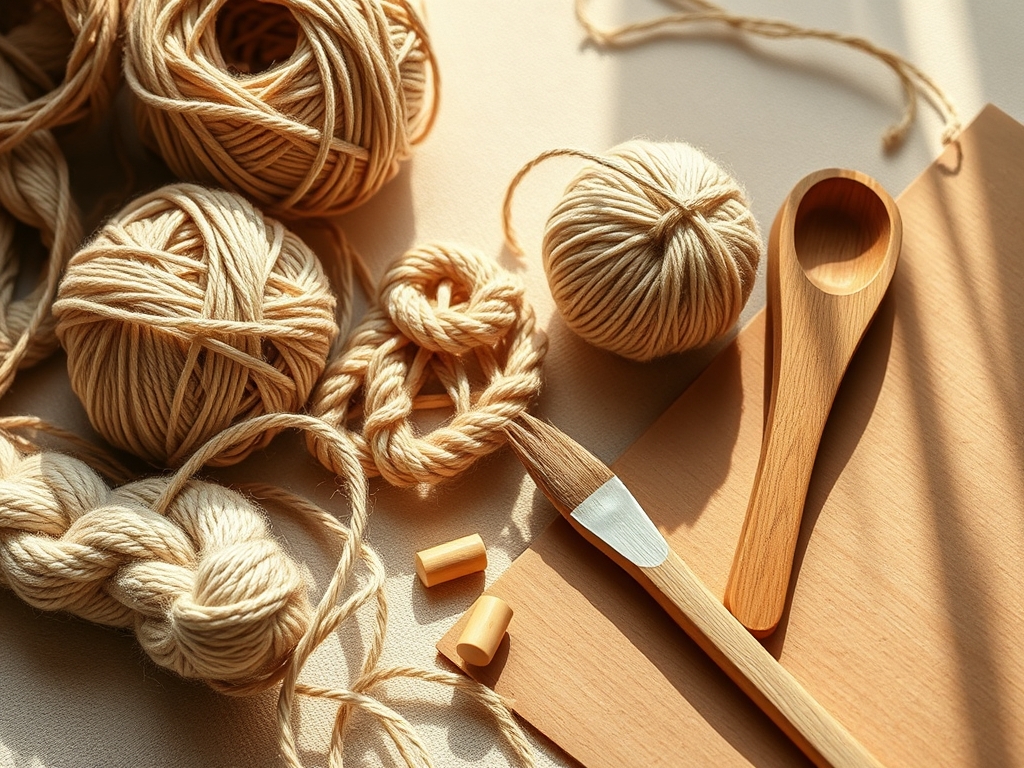
To master the art of crafting for celebration, your workstation must be a laboratory of precision. You will need a high-carbon steel rotary cutter for clean, shear-force cuts that do not fray the edges of your textiles. A teflon bone folder is non-negotiable for achieving crisp creases without leaving a shiny burnish mark on delicate paper fibers. For structural assembly, keep a variable-temperature glue gun and a set of precision calipers to ensure your dimensions remain uniform across a batch of twenty centerpieces.
Material Substitutions: If you cannot source 300gsm cotton-blend paper, look for a heavy watercolor paper with a high alpha-cellulose content. It provides the same rigidity and ink absorption. Instead of expensive silk ribbons, use a bias-cut rayon; it offers a similar drape and fluid movement due to its weave structure but at a lower cost per yard.
THE TEMPO
The maker's rhythm is a three-act play of preparation, execution, and curing. Phase one is the Material Prep, which takes approximately sixty minutes. This involves acclimating your paper to the room's humidity to prevent warping and pre-tensioning any fabrics. Phase two is the Production Sprint, where you enter a flow state. For five large-scale decor items, expect a four-hour window of active labor. The final phase is the Stabilization Period. Adhesives need at least two hours to reach full polymer cross-linking, and painted surfaces require four hours to outgas and dry to the touch. Respecting these temporal boundaries ensures your decor does not collapse under its own weight during the party.
THE CORE METHOD
1. The Architectural Garland
Begin by selecting a high-tensile strength monofilament as your spine. Use a rotary cutter to slice geometric shapes from double-sided metallic cardstock. Punch two holes in each shape using a 1/16-inch punch tool, ensuring they are perfectly aligned with the center of gravity. Thread your shapes onto the line, securing them with a tiny drop of cyanoacrylate adhesive.
Mastery Tip: This project relies on structural integrity. By placing the holes exactly through the center of mass, you prevent the shapes from spinning erratically. The cyanoacrylate creates a permanent bond by reacting with the moisture in the air, locking the paper to the slick surface of the monofilament.
2. Kinetic Table Runners
Measure your table length and add twenty percent for the "drop" at each end. Cut a base of heavy-weight linen. Use a fabric awl to pierce small holes at three-inch intervals along the edge. Thread thin copper wire through these holes to create a "poseable" edge that can be ruffled or flattened.
Mastery Tip: The copper wire introduces ductility to the fabric. This allows you to manipulate the drape and hold a specific shape against gravity. The linen's porous nature allows the wire to grip the fibers, preventing the metal from sliding out of alignment during the event.
3. Dimensional Paper Lanterns
Utilize a bone folder to score a series of equilateral triangles onto a sheet of translucent vellum. Fold along the scores to create a icosahedron. Secure the edges with a high-tack double-sided tape that features a polyester carrier for heat resistance.
Mastery Tip: Scoring the vellum partially breaks the long-chain fibers on the top layer, which allows for a clean fold without cracking the material. Vellum has a high opacity-to-weight ratio, which diffuses light beautifully through the principle of scattered refraction.
4. Sculptural Floral Installations
Use a jeweler's saw or heavy-duty snips to cut 16-gauge galvanized wire into varying lengths. Wrap these wire "stems" in floral tape, which is a wax-coated crepe paper. The wax becomes tacky when stretched, creating a waterproof seal. Attach oversized crepe paper petals using a high-viscosity PVA glue.
Mastery Tip: Crepe paper has an incredible elongation percentage due to its gathered structure. By stretching the edges of the petals, you are permanently deforming the fibers to create a realistic, organic curve. This is known as plastic deformation in material science.
5. Precision Place Cards
Select a 400gsm cold-press paper for its deep texture. Use a ruling pen and acrylic ink to scribe names. The ink should have a high pigment load to ensure it sits on top of the fibers rather than soaking in and feathering.
Mastery Tip: This technique utilizes capillary action. By choosing a cold-press paper with a specific tooth, you control how the ink spreads. The high density of the paper prevents the liquid from bleeding through to the back, maintaining a clean aesthetic on both sides.
THE TECHNICAL LEDGER
Maintenance & Longevity: To keep your celebration decor in pristine condition, avoid direct sunlight which causes UV degradation of pigments. Store paper items in a climate-controlled environment with a relative humidity of forty percent to prevent the cellulose from becoming brittle or molding.
Material Variations: For a sustainable approach, use FSC-certified papers and soy-based inks. For a premium look, incorporate 24k gold leaf applied with a traditional oil-based size. Recycled felt made from PET bottles offers excellent acoustic dampening properties for loud party environments.
The Correction:
- Adhesive Failure: If pieces are falling apart, you likely have a surface energy mismatch. Clean the area with isopropyl alcohol to remove oils before re-gluing.
- Paper Curling: This is caused by uneven moisture absorption. Use a dry mount adhesive instead of liquid glue to maintain flatness.
- Frayed Fabric: If your edges are unravelling, the blade was dull. Use a fray check liquid to chemically bond the edge fibers together.
Studio Organization: Store your finished pieces in acid-free archival boxes. Use acid-free tissue paper between layers to prevent "ghosting" where ink or foil transfers from one surface to another under pressure.
THE FINAL REVEAL
There is nothing quite like the moment you step back and see the entire room transformed. The way the light hits those vellum lanterns and the architectural lines of the garlands creates a rhythmic visual energy. You have used physics, chemistry, and a bit of muscle memory to build a world. It is high-energy, it is sophisticated, and because you understood the mechanics behind the making, it is technically flawless. Your crafting for celebration has moved from a simple hobby to an engineering feat.
STUDIO QUESTIONS
What is the best way to prevent paper from warping?
Use a dry adhesive or a high-solids glue to minimize water content. Always score with the grain of the paper rather than against it to reduce internal tension and ensure a flat, professional finish.
How do I choose the right wire gauge for decor?
Select a lower gauge number for structural support and a higher gauge for delicate, decorative details. A 16-gauge wire is rigid enough for floral stems, while 28-gauge is ideal for intricate, flexible beadwork.
Why does my hot glue keep peeling off plastic?
Plastic has low surface energy, making it difficult for adhesives to "wet" the surface. Lightly abrade the plastic with fine-grit sandpaper to create a mechanical bond, or use a specialized plastic-bonding cyanoacrylate for a permanent hold.
Can I reuse crepe paper decorations?
Yes, if you store them in a low-humidity environment. Crepe paper is highly hygroscopic and will lose its shape if it absorbs too much moisture. Keep them in airtight containers with silica gel packets to maintain their sculptural form.