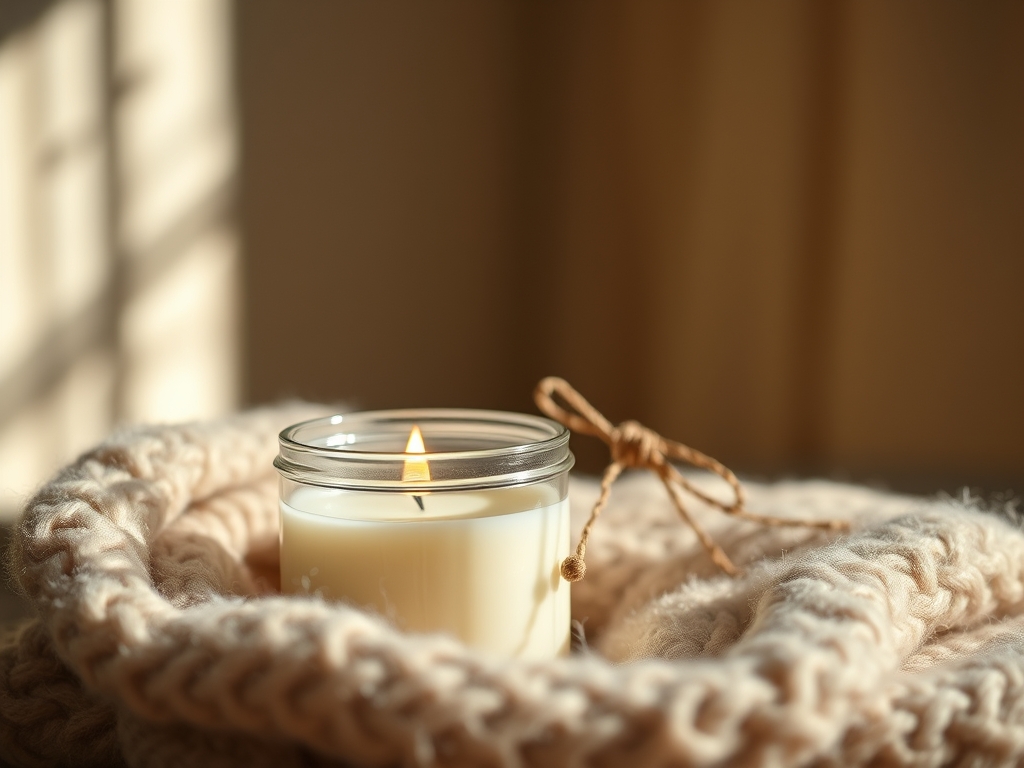
Imagine the friction of raw soy flakes sliding through your fingers; it is a tactile symphony of organic chemistry and potential energy. When you set out to create Handmade Candle Gifts, you are not just melting wax. You are orchestrating a phase change from solid to liquid while manipulating the molecular bonds of essential oils. The air in the studio thickens with the scent of cold throw, that initial aromatic punch before the heat even hits. It is a gritty, glorious process that demands precision. If your pour temperature is off by even five degrees, the structural integrity of the wax fails, leaving you with unsightly sinkholes. We are chasing that perfect, glass like surface that signals a master maker is at work. Every jar is a vessel for a specific thermal memory. We are going to blend high science with high style to ensure your gifts do not just sit on a shelf. They are going to perform with a steady, clean flame and a scent throw that fills a room without overwhelming the senses.
THE STUDIO KIT
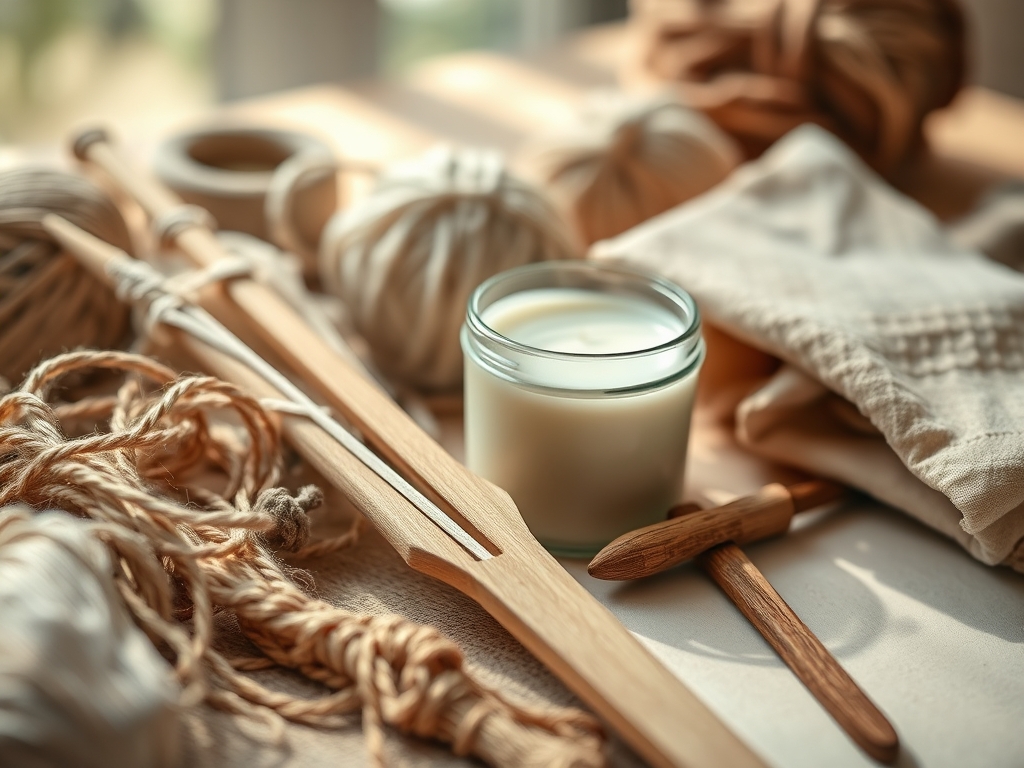
To master the art of Handmade Candle Gifts, your workbench needs more than just a stove. You need a digital infrared thermometer to track the exact moment of oil integration. We use borosilicate glass containers because they handle thermal shock with superior resilience compared to standard soda lime glass. Your toolkit should include a stainless steel pouring pitcher with a precise ergonomic handle to minimize tremors during the pour. We also utilize wick centering tools; these are usually aluminum bars that maintain the vertical alignment of the wick against the pull of gravity as the wax cools. For the wicks themselves, look for braided cotton with paper filaments to increase the capillary action, ensuring the wax travels upward at a consistent rate.
Material Substitutions: If you cannot find premium soy wax, you can use beeswax pellets, though you must increase your pouring temperature by twenty degrees to account for the higher melting point. If you lack a professional pouring pitcher, a heavy gauge glass measuring cup works, provided you preheat it to prevent the wax from seizing against the cold walls.
THE TEMPO
The "Maker's Rhythm" is a three act play of patience and physics. First is the Prep Phase, taking roughly thirty minutes to clean vessels and secure wicks with high tack adhesive dots. Next is the Thermal Phase, which lasts about forty five minutes. This involves the slow melt and the crucial cooling period where you wait for the wax to hit its specific "fragrance flash point." Finally, we enter the Curing Phase. While the wax looks solid within two hours, the molecular structure takes at least seven to ten days to fully stabilize. Rushing a test burn before the cure is complete results in a weak scent throw and tunneling. Respect the chemistry of the bind.
THE CORE METHOD
1. Calibrating the Base
We start by weighing our wax flakes on a digital scale rather than measuring by volume. This is because the bulk density of flakes varies wildly. We aim for a specific mass to ensure the fragrance oil ratio is exactly ten percent. Melting occurs in a double boiler to prevent scorching the bottom layer of wax, which would degrade the natural esters and ruin the scent profile.
Mastery Tip: Always account for the displacement factor. When you add fragrance oil to melted wax, the volume increases. Calculate your fill line approximately half an inch below the rim to allow for the expansion of the melt pool during use.
2. The Fragrance Infusion
Once the wax reaches 185 degrees Fahrenheit, we introduce our aromatic blends. This temperature is high enough to break the wax's molecular chains, allowing the fragrance oils to become fully "trapped" within the matrix as it reforms. Stir slowly for two minutes using a rhythmic figure eight motion to ensure total homogenization without introducing excess oxygen bubbles.
Mastery Tip: This is where kinetic energy matters. If you stir too vigorously, you create aeration. Those tiny bubbles will later manifest as "frosting" or white crystalline structures on the sides of your jar.
3. Tensioning the Wick
Before pouring, ensure your wick is under slight tensile stress. A limp wick will curve as the wax hardens, leading to an uneven burn. Use a wick bar to pull the braid taut. The wick acts as a straw; if it is off center by even two millimeters, one side of the glass will overheat while the other side leaves unburnt wax "walls."
Mastery Tip: Apply a small amount of melted wax to the base of the wick tab before placing it. This creates a secondary thermal seal that prevents the wick from drifting if the primary adhesive softens during the hot pour.
4. The Precision Pour
The ideal pour temperature for soy is usually between 130 and 135 degrees Fahrenheit. This "cool pour" method minimizes the shrinkage of the wax as it transitions to a solid state. Pour in a slow, continuous stream against the side of the vessel to reduce the velocity and prevent air pockets from forming at the base.
Mastery Tip: Observe the meniscus as the wax nears the top. Surface tension will cause the wax to slightly hump in the center. Stop just before this tension breaks to ensure a level finish once the wax undergoes its natural contraction.
THE TECHNICAL LEDGER
Maintenance & Longevity: To keep your candles in peak condition, trim the wick to exactly one quarter inch before every burn. This controls the flame height and prevents the wick from "mushrooming," which is an accumulation of carbon that causes soot.
Material Variations:
- Sustainable: Use rapeseed or coconut wax blends for a lower carbon footprint and a creamier aesthetic.
- Premium: Incorporate wooden wicks for an audible crackle and a wider, horizontal heat transformation.
The Correction:
- Sinkholes: If a hole forms near the wick, use a heat gun on a low setting to remelt the top five millimeters of wax. The liquid will fill the void and reset smoothly.
- Wet Spots: These are actually air gaps where wax pulled away from the glass. Preheating your jars in a 100 degree oven before pouring eliminates this temperature shock.
- Weak Scent: If the candle doesn't smell, you likely added the oil at too low a temperature. The oil must be added at 185 degrees to properly bond.
Studio Organization: Store your finished Handmade Candle Gifts in a cool, dark environment. UV light triggers photo-oxidation, which yellows the wax and dissipates the volatile top notes of your fragrance blends.
THE FINAL REVEAL
There is nothing quite like the moment you peel back the dust cover to reveal a perfectly cured, artisanal candle. The surface is matte, smooth, and flawlessly level. When you strike that first match, the flame should be steady and "teardrop" shaped, indicating perfect oxygen flow and wick calibration. These aren't just gifts; they are precision engineered atmospheric tools. Your friends will feel the weight of the quality glass and the sophistication of the scent throw, knowing that every milligram was calculated for their comfort. It is the ultimate flex of maker skill and heartfelt intention.
STUDIO QUESTIONS
How do I prevent my candles from tunneling?
Ensure the first burn lasts long enough for the melt pool to reach all edges of the jar. This usually takes one hour per inch of diameter. This "sets the memory" of the wax for all future burns.
Why does my candle have white crusty spots?
This is called "frosting" and is a natural characteristic of vegetable waxes like soy. It is a crystalline structure that forms during cooling. It does not affect the burn quality or the scent throw of the candle.
What is the best fragrance load for soy wax?
A ten percent fragrance load is the industry standard for a strong throw. This means using one ounce of fragrance oil for every ten ounces of wax. Exceeding this can cause the oil to leach out.
Can I use dried flowers in my handmade candles?
Use extreme caution. Dried botanicals are combustible and can become secondary wicks, leading to a fire hazard. If you must use them, place them far from the wick and only on the very surface.
How long should I trim the wick?
Always maintain a wick length of one quarter inch. A wick that is too long will produce excess smoke and soot, while a wick that is too short will struggle to stay lit in the melt pool.