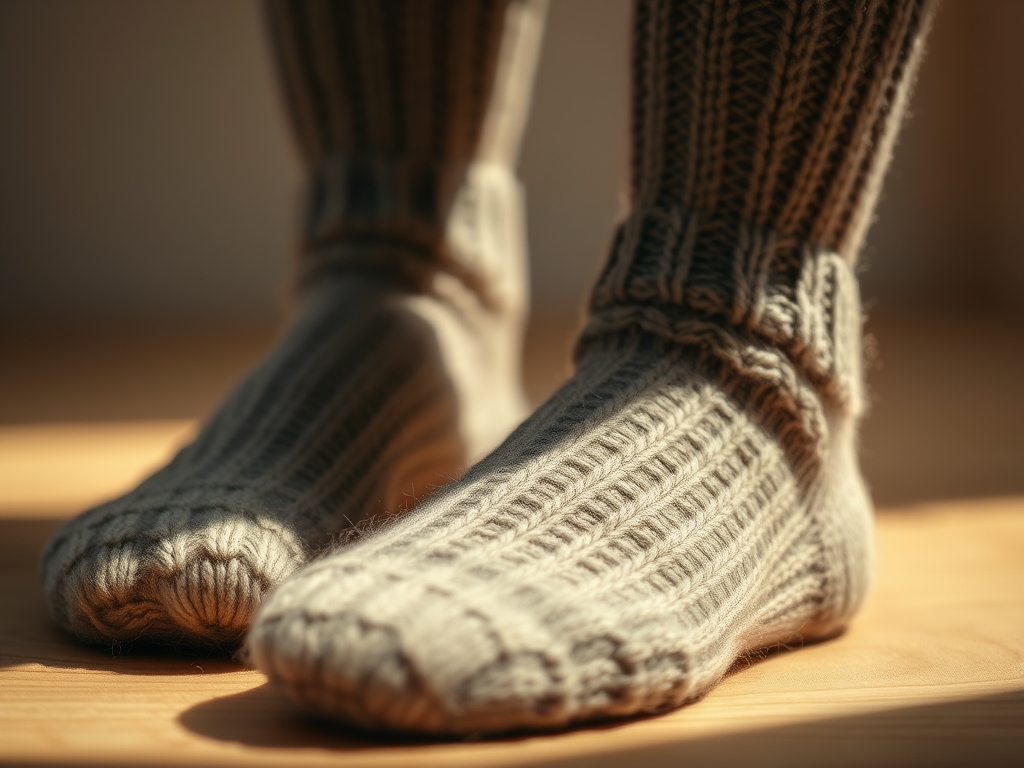
Imagine the scent of raw lanolin hitting the air as you unfurl a fresh skein of Peruvian highland fleece. There is a specific, grounding weight to high quality fiber that synthetic blends simply cannot mimic. When you commit to crafting Handmade Wool Socks, you are not just knitting a garment; you are engineering a high performance textile meant to withstand thousands of pounds of kinetic pressure. The friction between your skin and the interior of a leather boot creates a microclimate of heat and moisture. Without a reinforced foundation, that beautiful stitch work will surrender to the abrasive reality of daily life within weeks. We are looking for that perfect intersection of plush comfort and structural resilience. It is about the way the scales of the wool fiber interlock under tension to provide natural elasticity. Grab your favorite mug of tea and clear your workbench. We are about to dive deep into the mechanical architecture of the heel, ensuring your hard work stays hole free for years to come.
THE STUDIO KIT
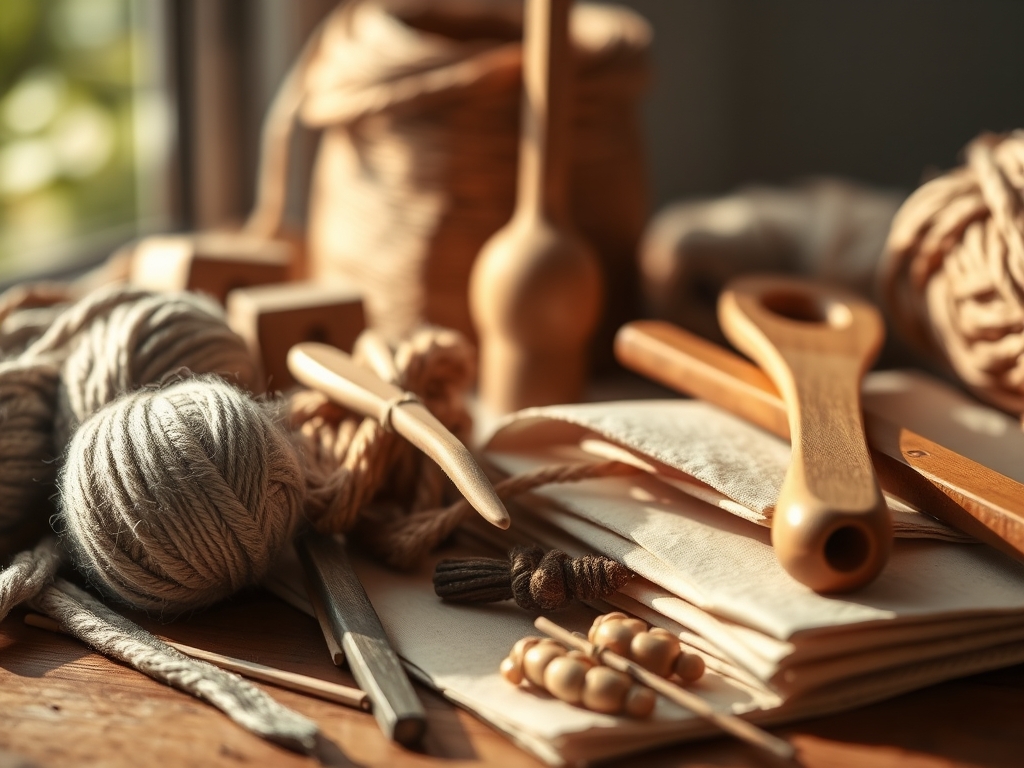
To build a superior heel, your toolkit must go beyond standard needles. You will need a set of stainless steel calipers to measure your stitch gauge with sub millimeter precision. Unlike plastic rulers, steel calipers do not flex, ensuring your density calculations are flawless. For the yarn, prioritize a four ply fingering weight with at least twenty percent nylon content. The nylon acts as a high tensile core around which the wool fibers wrap, providing the "stretch memory" required for a snug fit. You should also have a fine tip awl or a tapestry needle for picking up gusset stitches without splitting the delicate plies.
Material Substitutions: If you are allergic to nylon, consider a mohair silk blend as a reinforcement. Mohair has an incredible tensile strength that rivals synthetic fibers due to its long, smooth protein chains. You can also use a mercerized cotton thread held double with your wool; the caustic soda treatment in mercerization increases the fiber surface area, making it remarkably resistant to the "pill and pull" effect of walking.
THE TEMPO
The "Maker's Rhythm" is a physiological state where your heart rate synchronizes with the repetitive motion of the needles. For a pair of Handmade Wool Socks, expect to spend approximately twelve to fifteen hours of active labor. The leg and foot sections are your "cruise" phases, taking up sixty percent of the time. However, the heel is the "sprint." This phase requires high cognitive load and precise tension management.
Phase one, the setup and ribbing, takes about two hours. Phase two, the leg, varies by height but usually occupies four hours. Phase three is the heel construction, which demands two hours of hyper focused work per sock. Finally, the toe and finishing touches require another hour. Do not rush the heel. The structural integrity of the entire garment depends on the consistent tension of these specific rows. If your hands feel fatigued, stop. Inconsistent tension leads to weak spots that friction will exploit.
THE CORE METHOD
1. The Classic Slip Stitch Heel Flap
This is the gold standard for durability. By slipping every other stitch on the right side rows, you create a double thick fabric that acts as a shock absorber. The slipped stitches create vertical floats on the back of the work, which add a layer of sacrificial fiber that takes the brunt of the shoe friction before the structural stitches are touched.
Mastery Tip: This method utilizes structural redundancy. By increasing the density of the textile without increasing the bulk of the yarn, you are effectively creating a "tread" similar to a tire. The vertical floats also improve capillary action, wicking moisture away from the heel bone more efficiently.
2. The Eye of Partridge Reinforcement
For those who want a bit of flair with their physics, the Eye of Partridge stitch staggers the slipped stitches across the heel flap. This creates a quilted, honeycomb texture. It is mathematically superior for wide heels because it prevents the fabric from "biasing" or leaning to one side under pressure.
Mastery Tip: The staggered alignment distributes lateral stress more evenly across the fabric matrix. In a standard slip stitch, the stress points are linear; here, they are dispersed in a diamond grid, which significantly reduces the likelihood of a catastrophic fiber snap at the pivot point of the ankle.
3. The German Short Row Heel
This modern favorite eliminates the need for picking up stitches along a gusset. It uses "double stitches" to create a seamless, ergonomic cup. It is the most comfortable option for daily wear because it lacks the internal ridge often found in traditional flaps.
Mastery Tip: This technique relies on torsional elasticity. By pulling the stitch over the needle to create two legs, you are increasing the "cinch" of the loop. This prevents the "holy" gaps often seen in short rows by utilizing the surface tension of the yarn to seal the turning point.
4. The Dutch or Square Heel
The Dutch heel features a flat bottom rather than a rounded curve. It is exceptionally sturdy for people with "square" heel shapes. It involves a very specific decrease pattern that creates a reinforced "platform" for the calcaneus bone to rest upon.
Mastery Tip: This design focuses on load bearing geometry. By creating a flat base, the downward force of your step is distributed across a wider surface area of the textile. This reduces the "psi" (pounds per square inch) exerted on any single stitch, prolonging the life of the wool.
5. The Afterthought Heel with Reinforced Thread
This is the ultimate maintenance hack. You knit the sock as a tube and "cut" the heel in later. By holding a strand of high strength polyester thread along with your wool during this stage, you create an armored plate for your foot.
Mastery Tip: This is a lesson in composite materials. The wool provides the thermal regulation and comfort, while the polyester thread provides the structural skeleton. Even if the wool eventually wears away, the polyester grid will hold the sock's shape, making darning a simple task rather than a reconstruction project.
THE TECHNICAL LEDGER
To maintain your Handmade Wool Socks, never use a tumble dryer. The heat and agitation cause the scales of the wool to "zip" together, a process known as felting, which destroys the elasticity. Wash them in cool water with a pH neutral soap and dry them flat on a mesh rack to allow airflow to reach both sides of the textile.
Material Variations: For a premium experience, look for Yak or Bison fibers. These are warmer than sheep wool and have a shorter staple length but incredible durability. For sustainability, look for "recycled nylon" blends which repurpose ocean plastics into high performance hosiery yarn.
The Correction:
- The Gap at the Gusset: If you see a hole where the heel meets the leg, use a "bridge stitch" by picking up an extra loop from the row below. This closes the gap by increasing the local stitch density.
- The Sagging Heel: If the heel slips under your foot, your gauge was too loose. Use a needle one size smaller for the heel flap to increase the compressive force of the fabric.
- The Pilling Sole: If the bottom of your heel is fuzzy, you have "low twist" yarn. You can fix this by burnishing the finished heel with a wooden bone folder to flatten the stray fibers and encourage them to lay flush against the fabric.
Studio Organization: Store your finished socks in a cedar chest or linen bags. Wool is a protein fiber, making it a feast for moths. To prevent "gravity stretching," never hang your socks; always fold them flat to preserve the integrity of the ribbing.
THE FINAL REVEAL
There is nothing quite like the moment you slide on a pair of perfectly engineered Handmade Wool Socks. The way the reinforced heel cups your foot feels like a bespoke hug for your bones. You have transformed a simple string of fiber into a complex, load bearing garment through the power of geometry and physics. These socks are ready for the pavement, the hiking trail, or just a long day of studio work. They are a testament to your skill and a shield for your feet.
STUDIO QUESTIONS
Why does nylon make wool socks last longer?
Nylon provides a high tensile strength core that resists abrasion. While wool provides warmth, the nylon fibers act as a structural skeleton, preventing the wool from snapping under the constant friction of walking.
How do I prevent holes in my handmade socks?
Use a tighter gauge and reinforced stitch patterns like the Slip Stitch Heel Flap. Increasing the density of the stitches creates a thicker barrier against friction, which is the primary cause of textile failure in footwear.
Can I use 100% wool for daily wear socks?
It is possible but not recommended for high impact areas. Without a reinforcing fiber or an extremely high twist "multi ply" structure, pure wool will felt or wear through quickly due to the mechanical stress of walking.
What is the best way to wash wool socks?
Hand wash in cool water with a dedicated wool wash. Avoid agitation, which causes felting. Roll the socks in a towel to remove excess moisture and dry them flat to maintain their engineered shape and elasticity.