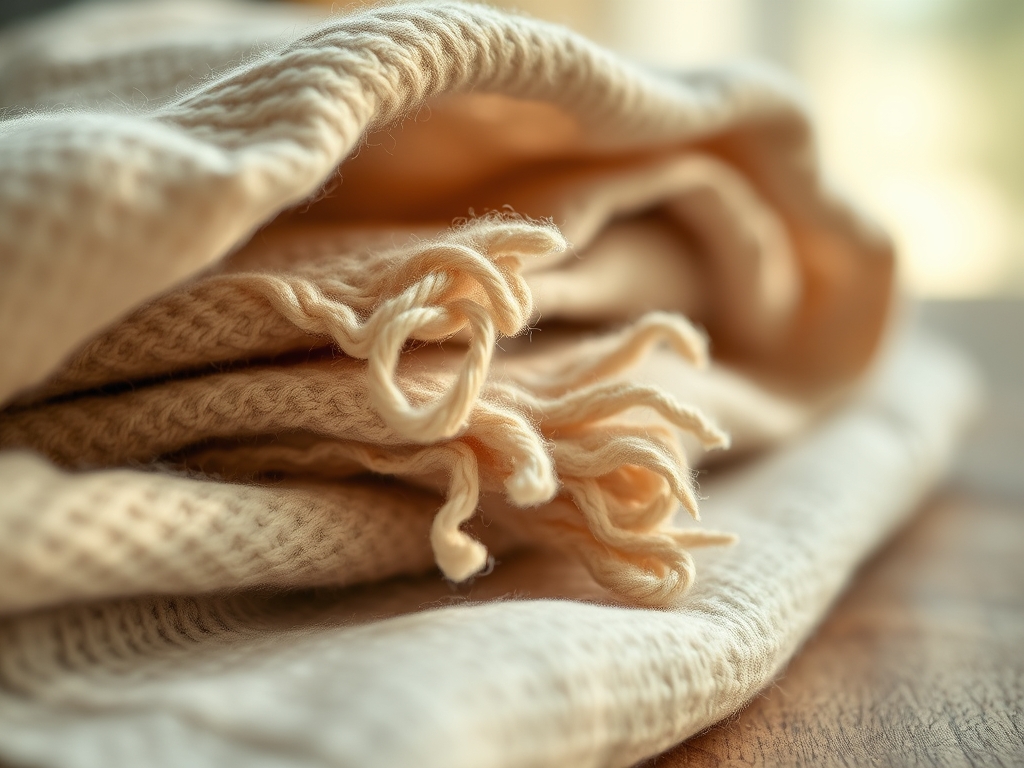
Close your eyes and imagine the satisfying, rhythmic thud of a heavy linen towel hitting a marble countertop. There is a specific, high density weight to quality Handmade Kitchen Linens that you simply cannot find in mass produced, polyester infused alternatives. When we talk about fabrics that last forever, we are diving into the world of high tensile strength and cellular structural integrity. You want a textile that feels like a firm handshake; it should be tactile, slightly abrasive when dry, and incredibly thirsty once it hits water. We are looking for fibers that possess a high degree of pectin, which acts as a natural glue holding the cellulose together. This is not just about aesthetics; it is about the physics of moisture wicking and the way a fiber expands when saturated. Whether you are grabbing a scorching cast iron handle or drying a delicate crystal flute, the fabric choice dictates the success of the task. We are building heirlooms here, my friend. We are selecting materials that will soften with every wash while their molecular bonds remain stubbornly intact for decades of service.
THE STUDIO KIT
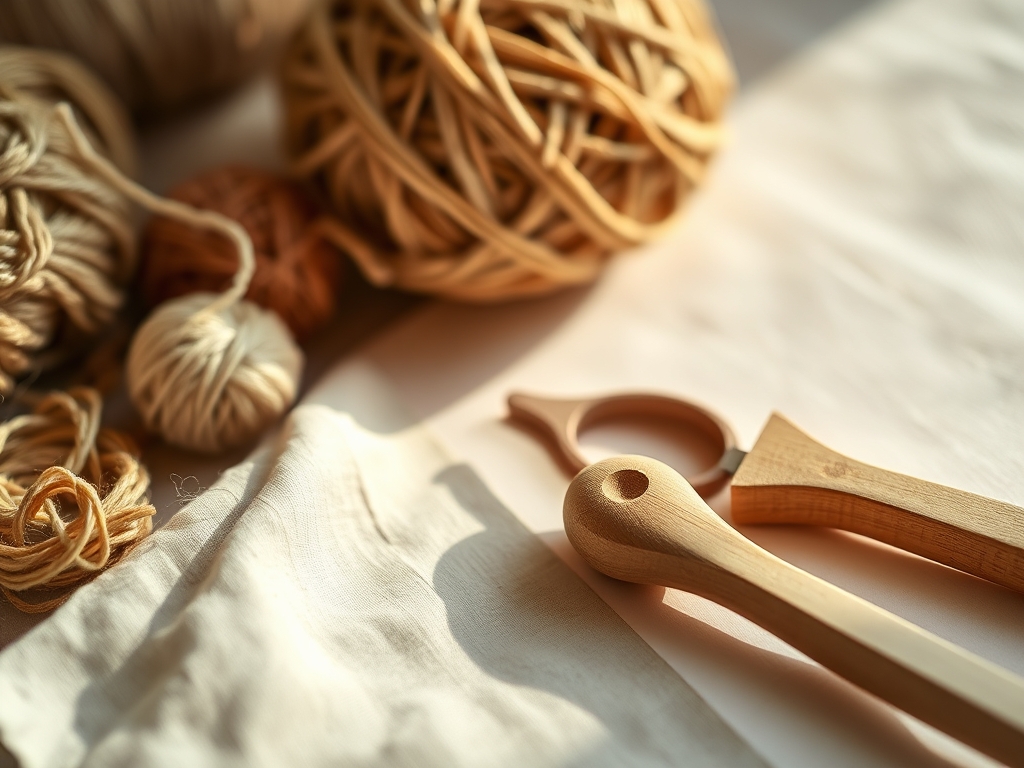
To engineer these linens, your studio needs more than just a standard sewing machine. You need tools that respect the grain. Start with a rotary cutter featuring a fresh tungsten carbide blade; this ensures you are slicing through the warp and weft threads without pulling or distorting the weave. You will also need a bone folder to crisp your hems. In the world of high end textiles, finger pressing is insufficient. A bone folder allows you to apply concentrated pressure to break the lignin in the fibers, creating a permanent crease. Grab a gauge ruler for precise seam allowances and a pair of industrial shears for heavy duty trimming. For the materials, we are sourcing 100 percent Belgian linen, hemp canvas, and organic cotton twill.
Material Substitutions: If you cannot find heavy weight linen, look for ramie. It is a cellulose fiber from the nettle family that actually has a higher tensile strength than cotton. If you want a more rustic feel, substitute traditional cotton with a recycled denim scrap that has been stripped of its indigo dye. The goal is always a high GSM (grams per square meter) count to ensure the fabric can withstand the thermal shock of a hot kitchen.
THE TEMPO
Creating a full set of Handmade Kitchen Linens is an exercise in the Maker's Rhythm. This is the psychological flow state where your movements become automated and precise.
- The Prep Phase (60 Minutes): This involves the "shock wash." You must pre shrink your fabrics in the hottest water possible to force the fibers to contract to their final state. This prevents future warping.
- The Layout (45 Minutes): Squaring the grain is the most technical part. You are aligning the longitudinal warp threads with the transverse weft threads at a perfect 90 degree angle.
- The Assembly (2 Hours): This is the sewing phase. It is a steady, mechanical process where you maintain a consistent stitch length to ensure even tension across the seam.
- The Finishing (30 Minutes): Trimming loose threads and performing a final steam press to set the stitches into the fabric.
THE CORE METHOD
1. Squaring the Grain
Before you make a single cut, you must find the true grain. Pull a single thread from the width of the fabric. This creates a visible "path" that follows the weft exactly. Cut along this path to ensure your towel never twists in the laundry.
Mastery Tip: This process utilizes the structural alignment of the weave. If you cut off grain, the internal stresses of the fabric will cause the finished piece to skew diagonally after the first wash, a phenomenon known as torque.
2. The Double Fold Hem
Fold your edge over by one centimeter and burnish it with your bone folder. Fold it again to fully encase the raw edge. This creates a four layer thick perimeter that adds weight and stability to the piece.
Mastery Tip: By encasing the raw edge, you are preventing capillary fraying. This is where moisture enters the cut ends of the fibers and travels upward, causing the threads to unspool from the inside out.
3. Mitering the Corners
To avoid bulk, you must cut a small triangle out of the corner where the folds meet. Fold the tip inward before closing the side hems to create a perfect, sharp 45 degree angle.
Mastery Tip: Mitering manages bulk density. In high GSM fabrics, four layers of hem meeting at a corner create sixteen layers of fabric. Reducing this volume ensures your sewing machine needle does not deflect or break due to excessive resistance.
4. The Reinforcement Stitch
At the top corners where you might attach a hanging loop, use a "box X" stitch pattern. This distributes the weight of the hanging towel across a larger surface area of the fabric.
Mastery Tip: This technique addresses point load stress. By spreading the tension across multiple stitch lines, you prevent the weight of the wet towel from tearing a hole in the primary weave.
5. The Final Press and Steam
Use a heavy iron on the highest steam setting to "marry" the stitches to the fabric. The heat and moisture cause the fibers to swell around the thread, locking everything in place.
Mastery Tip: This utilizes hygroscopic expansion. When the fibers dry in this locked position, they create a mechanical bond with the thread that is significantly stronger than a simple dry stitch.
THE TECHNICAL LEDGER
Maintenance & Longevity: To keep your linens in peak condition, avoid fabric softeners. Softeners coat fibers in a waxy film that reduces the porosity of the material, making it less absorbent. Use white vinegar in the rinse cycle to strip away mineral deposits and maintain the fabric's natural "bite."
Material Variations:
- Sustainable: Organic Hemp is the gold standard for sustainability; it requires less water than cotton and has natural antimicrobial properties.
- Recycled: Upcycled flour sacks offer a vintage aesthetic with a loose, breathable weave perfect for proofing bread.
- Premium: Irish Linen is prized for its long staple fibers, which provide a smoother surface and higher luster.
The Correction:
- Puckered Seams: This usually happens because your thread tension is too high. Loosen the bobbin tension slightly to allow the fabric to move freely.
- Skipped Stitches: This is a sign of "needle deflection." Switch to a "Jeans" or "Denim" needle, which has a reinforced shaft to pierce heavy layers without bending.
- Fraying Hems: If the hem is unravelling, you likely didn't use a deep enough fold. Re sew using a flat fell seam for maximum security.
Studio Organization: Store your linen stash in a cool, dry place away from direct UV light. UV rays cause photodegradation, which breaks down the molecular chains in natural fibers, making them brittle and prone to tearing.
THE FINAL REVEAL
There is nothing quite like the sight of a fresh stack of Handmade Kitchen Linens sitting on your workbench. They possess a structural integrity that screams quality. When you pick one up, it feels substantial; the hems are crisp, the corners are sharp, and the fabric has a beautiful, natural drape. You have successfully turned raw, high tensile fibers into a functional tool that will outlast any store bought gadget. These are not just towels; they are a testament to your technical skill and your appreciation for the physics of fine craft. Go ahead, give them a toss; they are ready for a lifetime of work.
STUDIO QUESTIONS
Which fabric is most absorbent for kitchen use?
Linen is the champion of absorbency. Its fibers can hold up to 20 percent of their weight in moisture before even feeling damp. This is due to the large lumen or central cavity within each flax fiber.
How do I prevent my linens from wrinkling?
Natural fibers like hemp and linen will always wrinkle due to their low elastic recovery. To minimize this, remove them from the dryer while slightly damp and "snap" them hard before hanging to air dry completely.
Can I use a regular sewing machine for heavy linen?
Yes, but you must use a heavy duty needle (size 90/14 or 100/16). Ensure your machine is cleaned and oiled, as the lint from natural fibers can quickly clog the bobbin race and cause friction.
Why is my fabric "bleeding" color in the wash?
This is caused by excess dye molecules that didn't bond with the fiber. To fix this, soak the fabric in a solution of water and sodium carbonate (washing soda) to set the dye and increase color fastness.
What is the best thread for handmade linens?
Use a high quality polyester core spun cotton thread. The polyester core provides the necessary tensile strength to withstand heavy use, while the cotton outer wrap ensures the thread behaves like the natural fabric it is holding together.