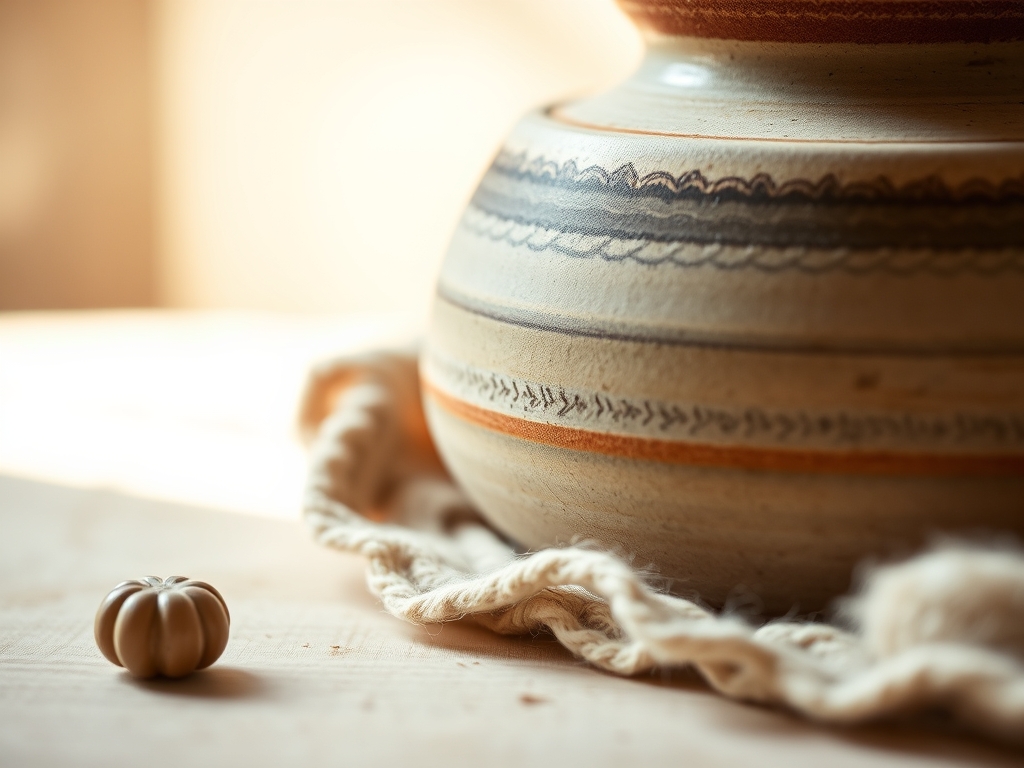
Imagine the weight of a cool, damp lump of stoneware resting in your palms; it is heavy, dense, and full of untapped potential. There is a specific, grounding magic in the way the clay yields to the pressure of your thumbs, a tactile conversation between your skeletal structure and the earth itself. When we talk about Functional Pottery for Home, we are not just making pretty objects to gather dust on a shelf. We are engineering tools for living. We are crafting vessels that must withstand the thermal shock of boiling coffee and the abrasive chemical scrub of a modern dishwasher. The glaze is the final frontier of this engineering process. It is the glass skin that seals the porous ceramic body, ensuring that your morning bowl of oatmeal does not become a breeding ground for bacteria. To get this right, you have to understand the molecular dance of silica, alumina, and flux. We are going for durability that rivals industrial standards while maintaining that soulful, handmade aesthetic that makes your kitchen feel like a sanctuary.
THE STUDIO KIT

To master the art of the durable finish, your workbench needs more than just a bucket of liquid glass. You need a digital hydrometer to measure the specific gravity of your glazes; this ensures the coating is thick enough for protection but thin enough to avoid shivering. Keep a set of stainless steel calipers nearby to check the rim thickness, as thin edges are prone to chipping. Your material list should include high-fire stoneware or porcelain, as these bodies reach full vitrification, meaning the clay itself becomes non-porous. For the glazes, look for formulas rich in zirconium opacifiers and magnesium matte components, which increase the Vickers hardness of the surface.
Material Substitutions: If you cannot find a specific fritted flux like Ferro Frit 3134, you can often substitute with Gerstley Borate, though you must account for its higher shrinkage rate during the drying phase. If a premium cobalt carbonate is out of budget, a refined black iron oxide can provide deep, earthy tones, though it will slightly alter the melt point of your base recipe.
THE TEMPO
The maker's rhythm is dictated by the laws of thermodynamics. You cannot rush the molecular bond. The initial bisque fire usually takes twelve to fourteen hours to reach a slow-climb peak, followed by a mandatory twenty-four-hour cooling period to prevent micro-fracturing in the clay walls. Glazing itself is a fast-paced, high-focus session; you have roughly ten seconds to dip a piece before the porous bisque absorbs too much moisture, potentially causing the clay to soften and collapse. Finally, the glaze firing requires a precision ramp-down. We call this "soaking" the kiln. By holding the temperature at the peak for thirty minutes, you allow bubbles to heal, resulting in a surface as smooth as polished marble.
THE CORE METHOD
1. The Hydrometer Calibration
Before a single mug touches the vat, you must verify the specific gravity. This is the ratio of the weight of your glaze to the weight of an equal volume of water. For functional kitchenware, aim for a reading between 1.45 and 1.52.
Mastery Tip: This precision prevents "crazing," a network of tiny cracks caused by a thermal expansion mismatch between the clay and the glaze. When the glaze fits the body perfectly, it exists in a state of slight compression, which significantly increases the overall tensile strength of the vessel.
2. Surface Debridement
Use a damp synthetic sponge to wipe every square millimeter of your bisque-fired piece. This removes "kiln dust" and loose alumina hydrate that can cause "pinholing," which are tiny volcanic craters in the finished surface.
Mastery Tip: This step utilizes capillary action. By slightly pre-moistening the surface, you regulate how quickly the clay pulls water out of the glaze suspension, ensuring an even, monolithic coat that won't flake off during the firing.
3. The Controlled Immersion
Using a pair of stainless steel dipping tongs, submerge the piece in a fluid, continuous motion. Hold it under for a count of three, then extract it with a sharp flick of the wrist to shed excess material.
Mastery Tip: The flick of the wrist is essential for managing surface tension. If the glaze pools in the bottom of a bowl, the uneven thickness will create a "tension reservoir," leading to structural failure or "dunting" as the piece cools.
4. Foot Ring Burnishing
Every piece of Functional Pottery for Home must have a clean, glaze-free bottom. Use a wet sponge or a silicone rib to remove all glaze from the foot ring and at least two millimeters up the side wall.
Mastery Tip: This creates a "margin of safety." During the high-heat phase, glazes become fluid. Without this dry foot, the piece will fuse to the kiln shelf, a mistake that usually results in the total destruction of the work.
5. The Slow Cooling Phase
Once the kiln reaches its target cone, do not simply turn it off. Program a controlled "down-fire" to drop the temperature slowly through the quartz inversion zone.
Mastery Tip: At approximately 1063 degrees Fahrenheit, the silica molecules in the clay and glaze undergo a structural shift. A slow transit through this temperature prevents "shivering," where the glaze literally peels off the clay like a sharp glass splinter.
THE TECHNICAL LEDGER
To maintain the longevity of your handmade pieces, avoid extreme thermal shock. While high-fire glazes are durable, moving a plate from a zero-degree freezer to a four-hundred-degree oven can cause the material to fatigue. For material variations, consider using a recycled wood ash glaze for a sustainable, variegated finish, or a premium tin-white for a classic, sterile look that is perfect for professional plating.
The Correction:
- Crawling: If the glaze pulls away in patches, your bisque was oily. Fix: Re-fire the bisque to burn off contaminants before re-glazing.
- Blisters: Caused by gases escaping the clay too late. Fix: Slow down the firing ramp between 1500 and 1800 degrees Fahrenheit.
- Rough Texture: The glaze didn't melt fully. Fix: Increase the peak temperature or add a small amount of lithium carbonate to the mix to act as a powerful flux.
Studio Organization: Store your dry glaze chemicals in airtight, HDPE plastic bins to prevent moisture absorption. Liquid glazes should be sieved through a 100-mesh screen every three months to prevent the flocculation of particles, which leads to streaking.
THE FINAL REVEAL
There is nothing quite like the "kiln opening" morning. When you pull that first piece out, the surface should feel like a river stone; smooth, dense, and remarkably heavy for its size. A well-glazed piece of Functional Pottery for Home has a resonant "ring" when tapped with a fingernail, a sign of a perfect bond. The colors should be deep and stable, providing a gorgeous backdrop for the food you serve. You have successfully turned soft earth into a permanent, glass-armored tool that will likely outlive us all.
STUDIO QUESTIONS
Why is my glaze cracking in the microwave?
This is usually "crazing" caused by a thermal expansion mismatch. The glaze is expanding more than the clay, creating tiny cracks. To fix this, add a small amount of silica to your glaze recipe to lower its expansion rate.
Is matte glaze safe for food use?
Yes, provided it is fully vitrified and stable. Some matte glazes use high levels of barium or manganese, which can leach. Always use a strontium-based matte for functional surfaces to ensure chemical stability and safety for daily eating.
How do I prevent my pots from sticking to shelves?
Always use kiln wash, a mixture of kaolin and alumina hydrate, on your shelves. Additionally, ensure you have a clean "wax resist" line at the base of your pottery to keep the glaze from flowing onto the shelf.
Why does the color look different on the rim?
This is called "breaking." On sharp edges, the glaze becomes thinner due to gravity and surface tension, allowing the underlying clay body or a different oxide concentration to show through. It is a highly prized aesthetic in functional ceramics.